Case Study: Using Recycled Glass Countertops in an Architecture Firm Office
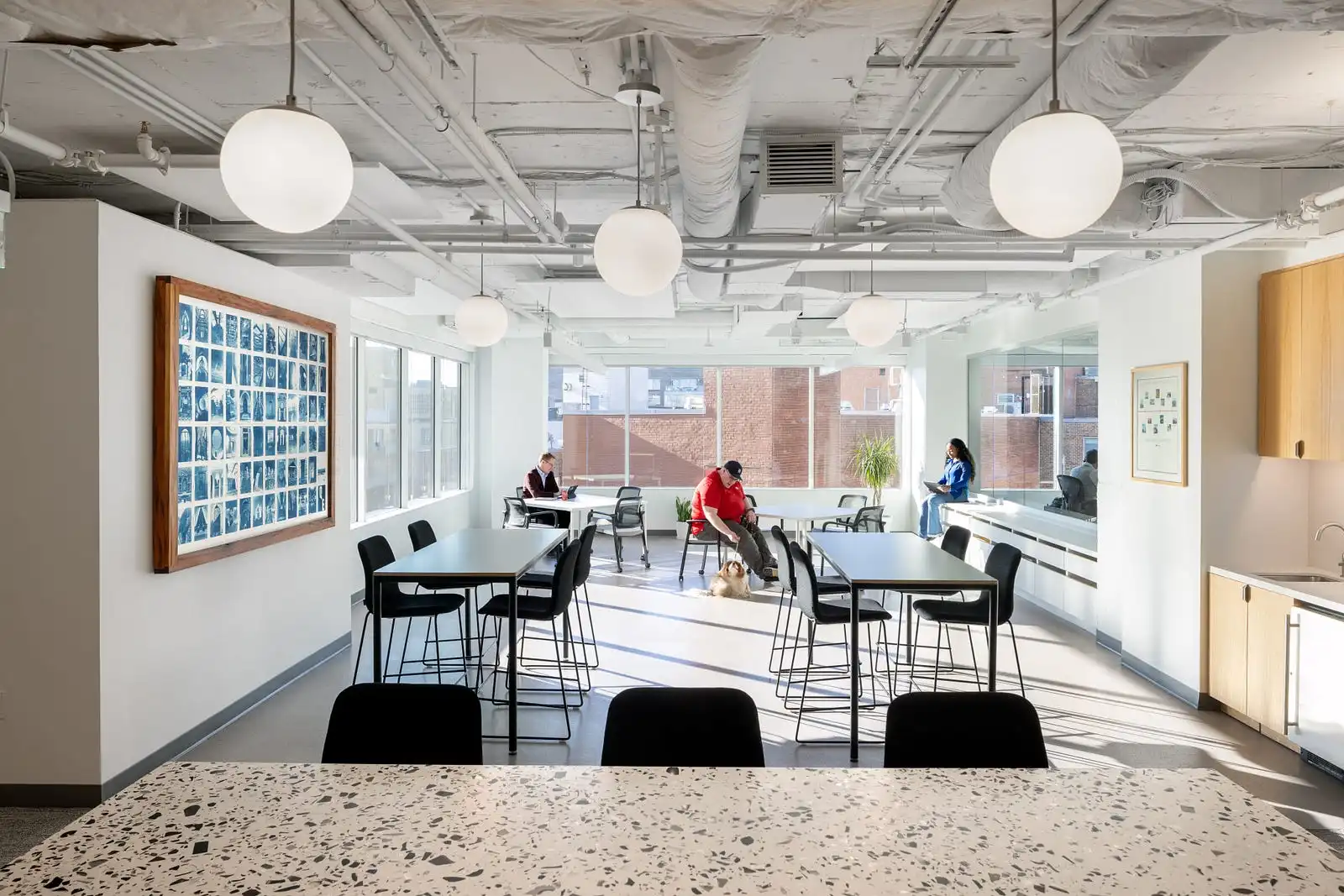
Gilasi Miraca (Island) at Quinn Evans — Washington DC
Introduction to Gilasi
Gilasi was founded on one core principle: to make better, environmentally sustainable surfaces. Since 2005, they’ve been doing just that. Gilasi contains 77–85% recycled content by weight, reducing the resources needed to make it. And they’re serious about safety. Gilasi is 100% VOC-free and crystalline silica free, ensuring a safer home for you and your family and a safer workplace for their employees.
Objective
Quinn Evans Washington D.C. Office, is pursuing LEED Gold certification. The firm is committed to sustainable principles, which include the use of eco-friendly materials. Notably, Gilasi Glass stone includes a high percentage of recycled content, aligning with LEED’s Material Ingredient Credit. Understanding the resource content of the selected project finishes was crucial in the design process. The goal was to enhance the quality of the space with healthy materials, in addition to the design aesthetic.
Material Selection Rationale
All the green credentials, aesthetics, and the variation in the glass pieces (different colors, different shapes) are fitting for a kitchen island. The kitchen island is composed of Gilasi Miraca and sets the center stage of our amenity space; a gathering place where a conversation occurs. The countertops and full height backsplash on the perimeter of the kitchen are Gilasi Ice and appear seamless balancing the dramatic focus of the island. Because of this unique material, the island becomes a conversation starter for sustainable design.
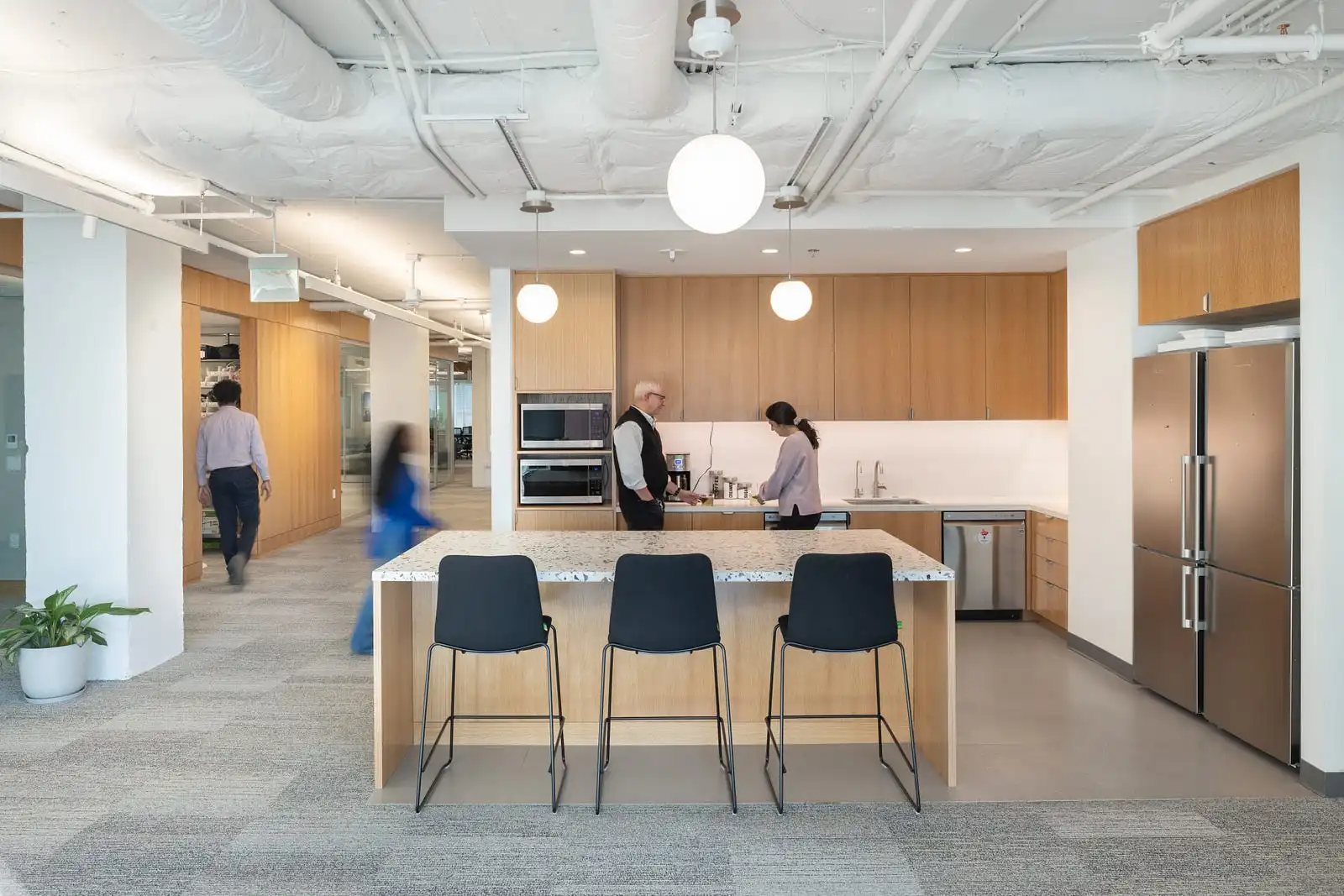
Gilasi Miraca (Island) and Gilasi Ice (Back Counter) at Quinn Evans — Washington DC
Results: Style Meets Sustainability
With Gilasi countertops they were able to achieve a clean subtle look for the kitchen counters. This design approach provided versatility in selecting the kitchen island, which incorporated various recycled glass pieces. Visitors always ask what the kitchen island is made of and it continues to be a good story and talking point about recycled content that is visible and understandable.
Gilasi on 2050 Materials
The partnership between 2050 Materials and CaraGreen signifies a significant step forward in advancing sustainable design and construction practices. By featuring Gilasi on the 2050 Materials platform, the collaboration aims to catalyze the adoption of building materials based on their sustainability performance, driving positive change within the industry.
Discover Gilasi’s properties and its material facts on our platform.
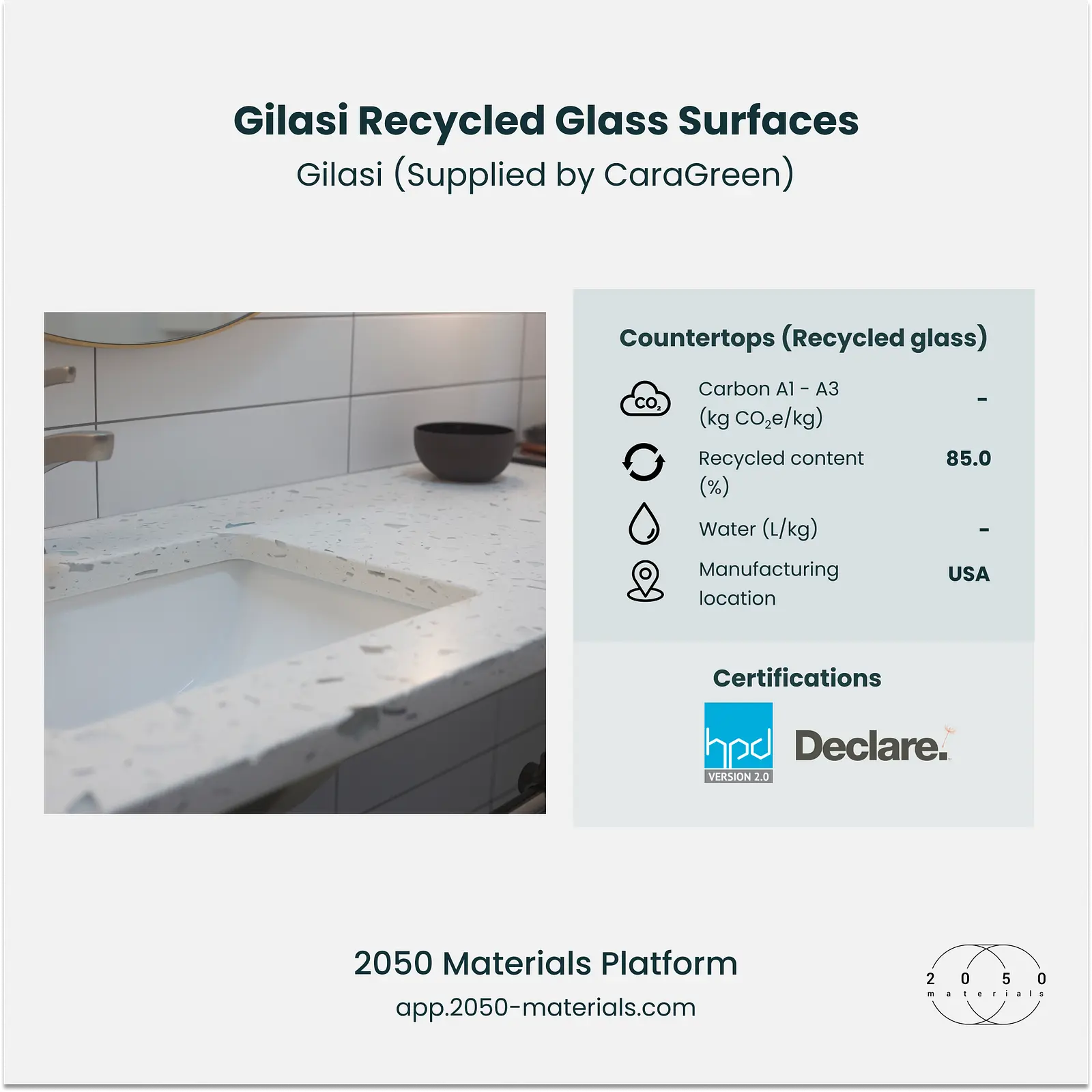
Gilasi on 2050 Materials platform
Related articles
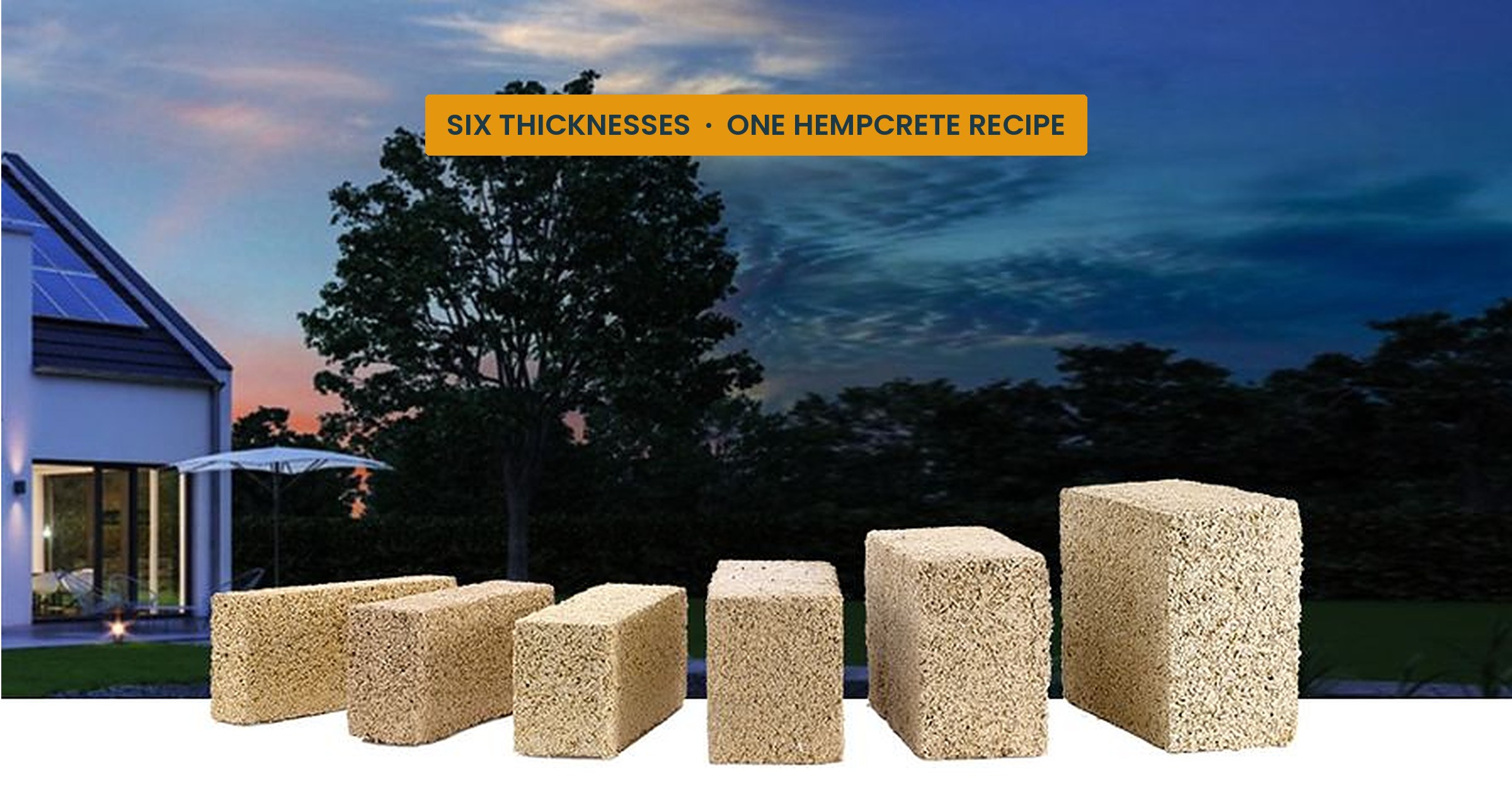
Hempcrete blocks: reading the Hemp Block data
Six hempcrete blocks, one Italian recipe: The Hemp Block Company data on 2050 Materials shows carbon and water scale exactly with wall thickness.
Read more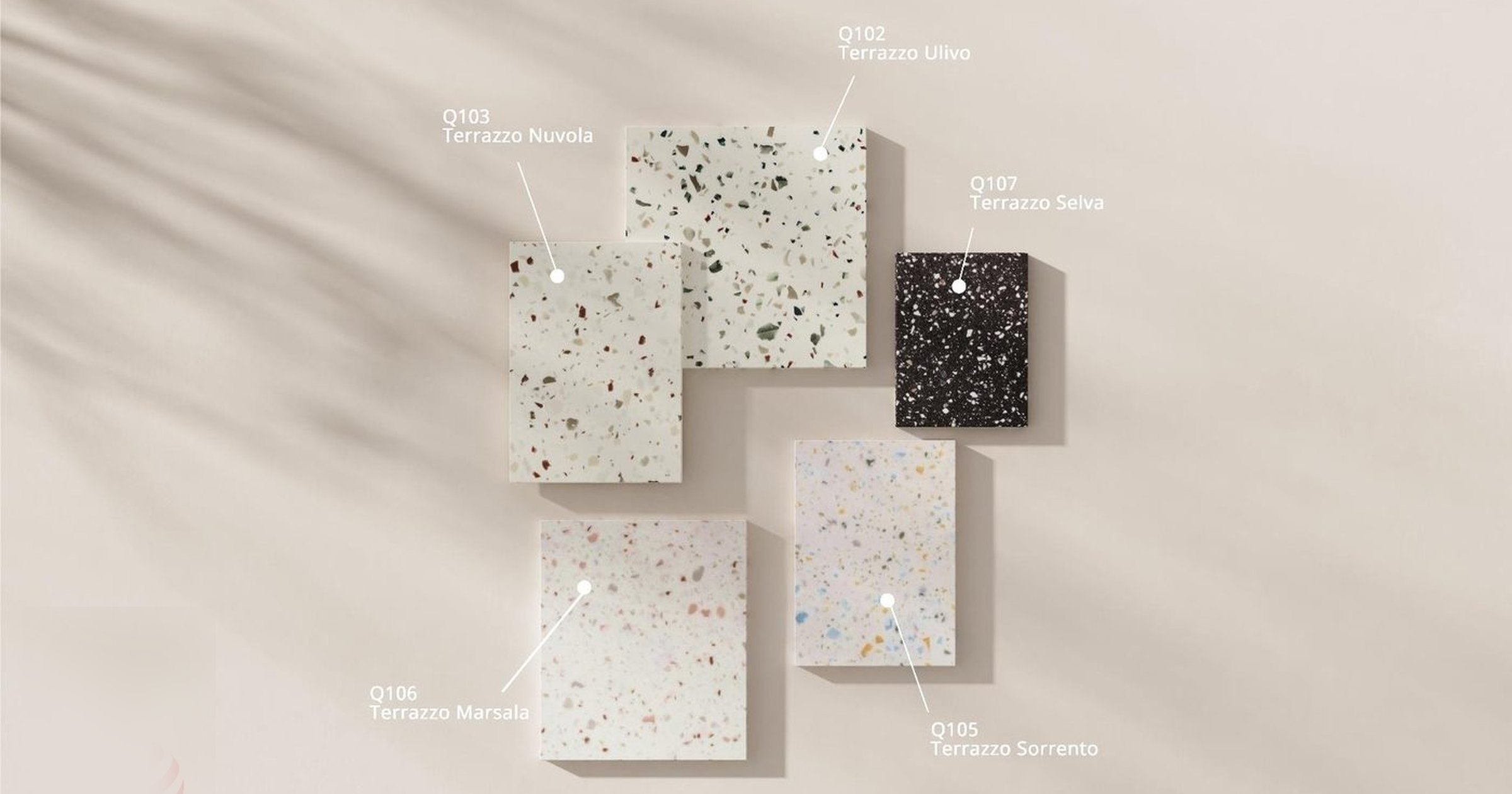
Inside HIMACS’ 2026 range: 15 new colours, five Red Dot wins
Five HIMACS Terrazzo colours won a Red Dot Design Award 2026, and four carry SCS-certified recycled content. See the full 2026 range and the EPD data behind it.
Read more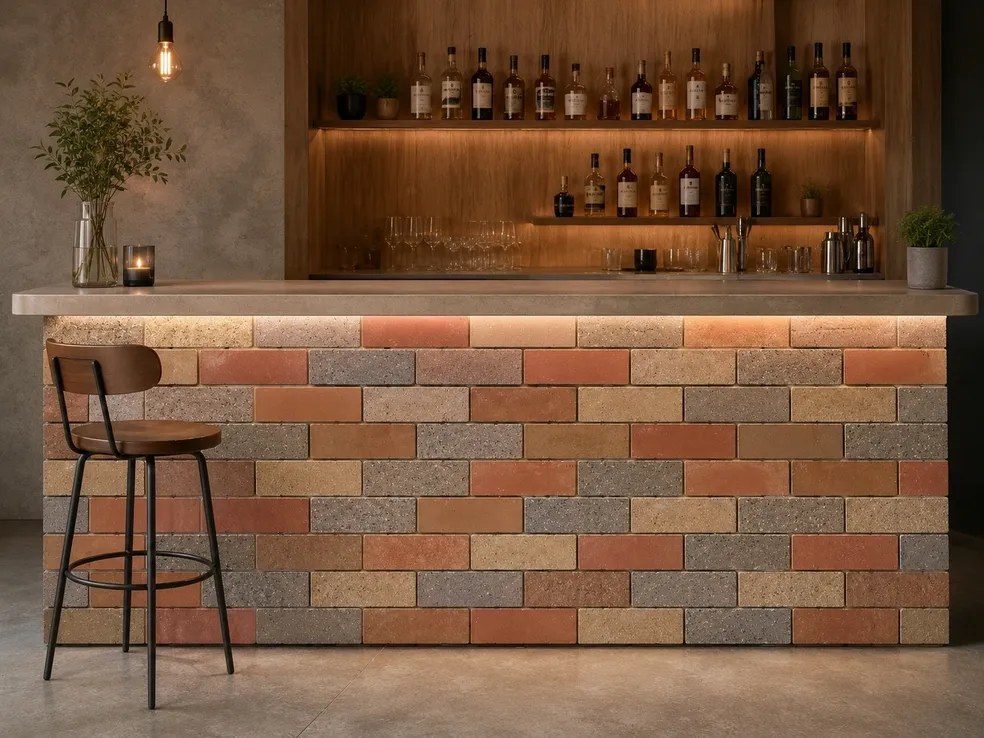
e4E Brick Slips: All the Brick, None of the Kiln
e4E makes brick slips from excavated soil, pressed rather than fired. See how they are made, the formats you can specify and the verified EPDs behind the range.
Read more