The 2026 Surface Revolution: A Global Briefing
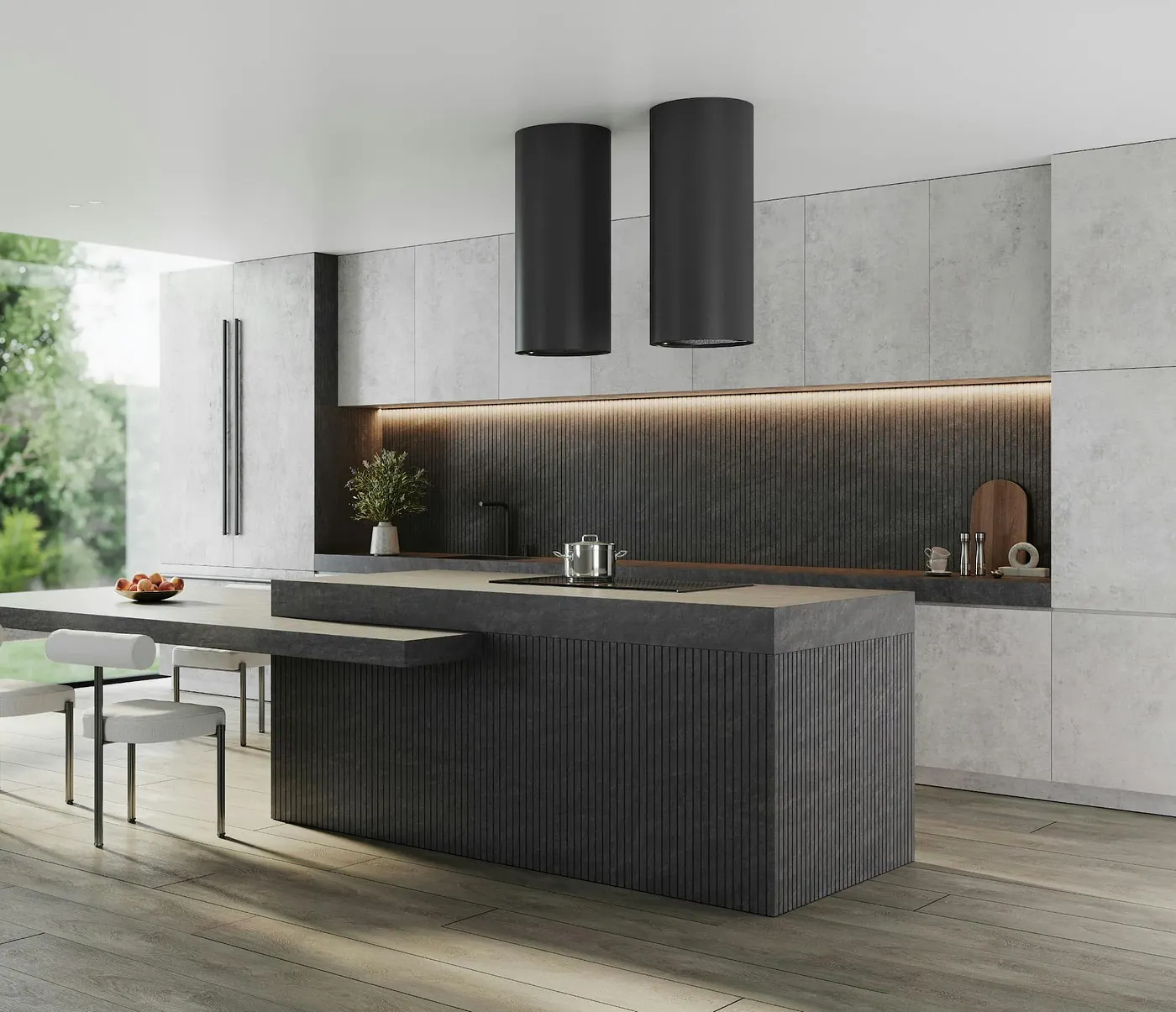
Image from Caragreen
1. The Crystalline Silica Crisis & Global Bans
Crystalline silica dust has long been a known occupational hazard in the surfacing industry. But the scale of the silicosis crisis, particularly among countertop fabricators has finally triggered regulatory action at the highest levels.
Australia led the way. Its world-first ban, implemented on 1 July 2024, prohibits the use, supply, manufacture, and installation of all engineered stone, regardless of silica content, setting a global precedent.
Not all surfaces are created equal and in 2026, that distinction was made clear. The industry drew a clear line between Quartz (high silica, the target of bans and tariffs) and Mineral Surfaces — sintered and vitrified products like Dekton and porcelain — which fall entirely outside the definition of “engineered stone” under both the Australian ban and the California STOP Act. These aren’t workarounds. They’re a different category of material entirely, and that’s precisely what makes them the right specification choice right now.
The United States is following. California’s STOP Act, now in effect as of January 2026, mandates water-only cutting practices and is considering shop certifications or licensing for anyone working with engineered stone. Shops that fail to meet requirements could soon be cut off from purchasing slabs altogether, a market-access consequence that makes compliance unavoidable, not optional. The industry’s history of non-compliance with standards and practices over the last decade should play a major factor in what California’s OSHA decides to do. Well over half of audited shops remain non-compliant.
At the federal level, OSHA’s permissible exposure limit (PEL) for crystalline silica dust, set under its 2016 silica rule, stands at 50 µg/m³. What has changed dramatically in 2024–2026 is enforcement: OSHA’s National Emphasis Program (NEP) has brought crushing fines and immediate shut-down orders for non-compliant shops, making the rule feel entirely new to fabricators who were never previously inspected.
2. The Economic Wall: Tariffs and Rising Costs
Regulation isn’t the only pressure reshaping the market. Trade policy is adding a sharp economic edge to what was already a complicated picture.
A proposed flat 50% tariff on all imported quartz surfaces is moving through US trade channels. Combined with existing anti-dumping duties already in place against major exporters like Vietnam and Thailand, quartz prices are projected to climb by 50% or more over the course of 2026. It is also worth noting that these tariffs apply by country of origin, triggering active trans-shipment crackdowns: quartz routed through third countries to evade anti-dumping duties is now a primary enforcement target, adding further instability to already-strained supply chains.
For fabricators and distributors who have built their business on imported engineered stone, this is not an incremental cost, it’s a structural shift. And it’s fast-tracking an already developing pivot toward materials with sustainable properties that are also more cost-stable: porcelain, natural stone, and recycled glass are all emerging as credible, scalable alternatives.
The economic case and the safety case are now pointing in the same direction.
3. The 2050 Materials Edge: Data That Drives Better Decisions
This is where data becomes the differentiator.
Through the 2050 Materials platform, architects, designers, and specifiers can now filter product libraries specifically for Zero-Crystalline Silica and low-carbon surface options, cutting through the noise of marketing claims to find materials backed by verified environmental product declarations (EPDs).
Brands are responding to this shift with purpose-built product lines. Cosentino’s HybriQ and Caesarstone’s ICON series are among the leaders in the silica-free movement, engineering high-performance surfaces specifically designed to meet new health and procurement standards. These products aren’t compromises, they’re designed to perform and to be specifiable under the most demanding green building criteria.
CaraGreen’s role in this ecosystem is critical. As a distributor that curates its portfolio specifically around occupant health and environmental responsibility, CaraGreen acts as a trusted filter for the design community sourcing and supplying materials with sustainable properties that meet the moment. The partnership with 2050 Materials adds a layer of verified data transparency to that curation, connecting product selection to measurable sustainability outcomes.
4. The “Safety First” Mandate: Legal Liability Is Now a Design Issue
The legal landscape has shifted too, and quickly.
Recent multi-million dollar silicosis verdicts in the US and Australia have established a clear duty to warn with successful litigation so far focused on manufacturers and distributors who failed to adequately warn workers about silica dust hazards.
For the design community, that is shifting the conversation around material selection. Specifying materials without awareness of their worker health profile is drawing increasing scrutiny and as the legal landscape continues to evolve, staying ahead of that curve is both a professional responsibility and a reputational one.
The goal and the trajectory is an industry where materials are as safe to fabricate as they are to own. Where the surface on a kitchen counter or a commercial reception desk doesn’t carry hidden costs in the form of long-term harm to the workers who shaped it.
What This Means for Your Next Project
The surface revolution is already underway. The brands, the regulations, and the economics are all aligned, and the data to make better decisions is now available.
Explore Zero-Silica and low-carbon surfacing options by Caragreen on the 2050 Materials platform → app.2050-materials.com
To learn more about CaraGreen’s portfolio of surfaces with sustainable properties, visit caragreen.com.
Sources
Section 1 — The Silica Crisis & Global Bans
- Safe Work Australia — Engineered Stone Ban https://www.safeworkaustralia.gov.au/safety-topic/hazards/silica/engineered-stone-ban
- Australian Border Force — Australia’s Engineered Stone Import Laws Are Changing https://www.abf.gov.au/newsroom-subsite/Pages/Australia’s-engineered-stone-import-laws-are-changing.aspx
- Stone World — California’s STOP Act Sets Strictest Silica Rules in U.S. for Stone Fabricators (March 2026) https://www.stoneworld.com/articles/95545-californias-stop-act-sets-strictest-silica-rules-in-us-for-stone-fabricators
- California Legislature — SB-20: Silicosis Training, Outreach, and Prevention (STOP) Act — Bill Text https://leginfo.legislature.ca.gov/faces/billTextClient.xhtml?bill_id=202520260SB20
- Littler — Cal/OSHA Approves Final Respirable Crystalline Silica Regulation https://www.littler.com/news-analysis/asap/calosha-approves-final-respirable-crystalline-silica-regulation-while-other
Section 2 — The Economic Wall (Tariffs)
- Stone Update — “Safeguard” Action Filed on Quartz-Surface Imports https://stoneupdate.com/safeguard-action-filed-on-quartz-surface-imports/
- International Trade Today — Petition Seeks Safeguard Quotas, Tariffs on Quartz Surface Products https://internationaltradetoday.com/article/2025/09/16/petition-seeks-safeguard-quotas-tariffs-on-quartz-surface-products-2509160008
- Axios Pittsburgh — Quartz Countertop Prices Could Jump 50% Under Proposed U.S. Tariffs (January 2026) https://www.axios.com/local/pittsburgh/2026/01/22/quartz-tariffs-countertop-price-hike
- Radio Stone Update — China Quartz-Import Case Settled; India’s Tariff Dilemma https://radiostoneupdate.com/2025/09/08/china-quartz-import-case-settled-indias-tariff-dilemma/
Section 4 — The “Safety First” Mandate
- AboutLawsuits.com — $52.4 Million Silicosis Lawsuit Verdict Against Caesarstone, Cambria and Color Marble (August 2024) https://www.aboutlawsuits.com/silicosis-lawsuit/
- Jurimatic — Silicosis Lawsuit: $52.4M Verdict Against Stone Product Companies https://jurimatic.com/52-4-million-silicosis-lawsuit-verdict-stone-industry-under-scrutiny/
- NGK Law Firm — Silicosis Lawsuits for Countertop Workers: Duty to Warn https://www.ngklawfirm.com/practice-area/product-liability/silicosis-lawsuits-for-countertop-workers/
Related articles
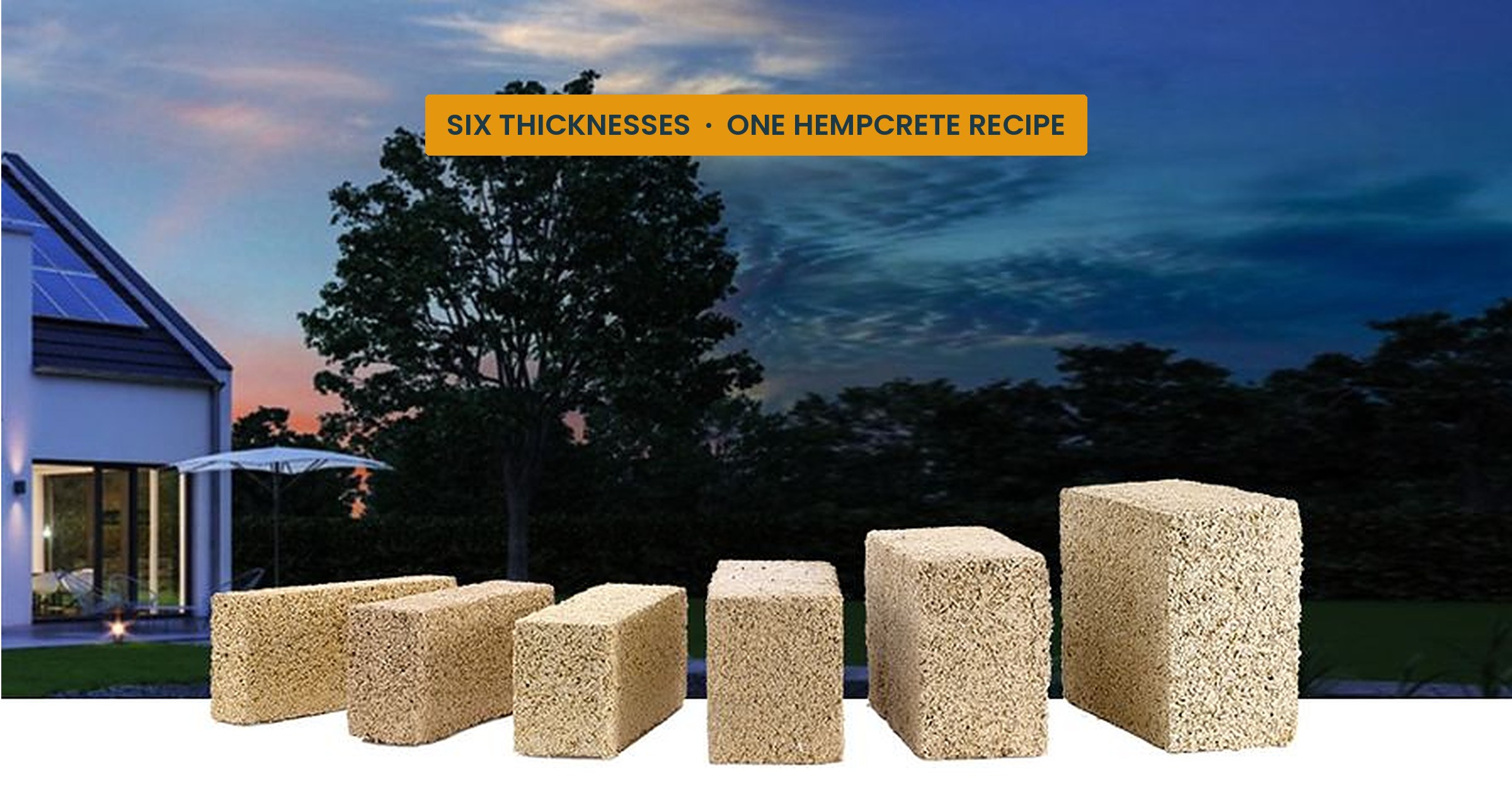
Hempcrete blocks: reading the Hemp Block data
Six hempcrete blocks, one Italian recipe: The Hemp Block Company data on 2050 Materials shows carbon and water scale exactly with wall thickness.
Read more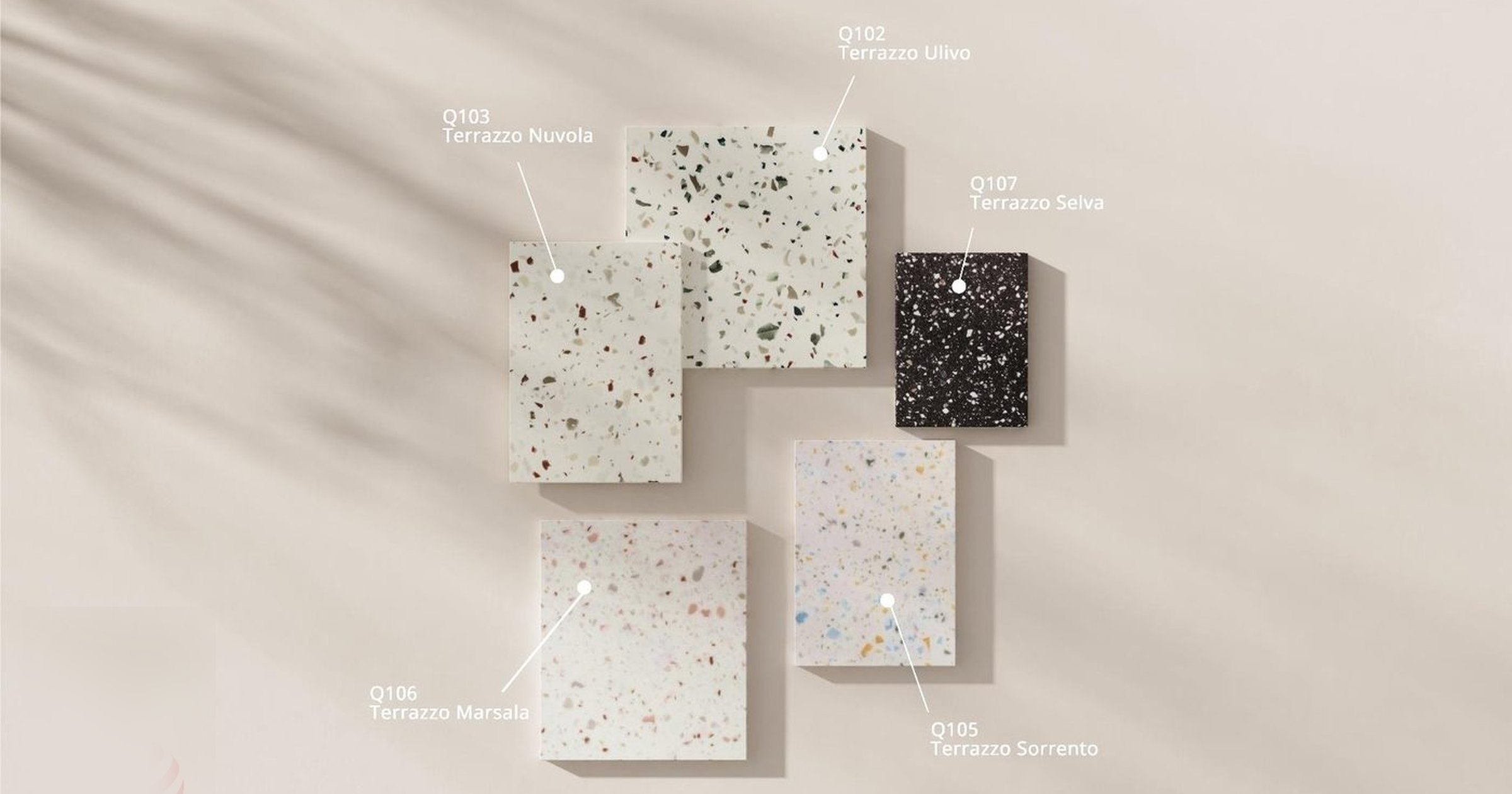
Inside HIMACS’ 2026 range: 15 new colours, five Red Dot wins
Five HIMACS Terrazzo colours won a Red Dot Design Award 2026, and four carry SCS-certified recycled content. See the full 2026 range and the EPD data behind it.
Read more
e4E Brick Slips: All the Brick, None of the Kiln
e4E makes brick slips from excavated soil, pressed rather than fired. See how they are made, the formats you can specify and the verified EPDs behind the range.
Read more