Extending Lifecycles: Inside d line’s Industry-First Re-handle Service

Buildings and construction are responsible for 37% of global emissions, with a significant share driven by the carbon intensity of materials and the frequent replacement of building components. As the sector works to reduce embodied carbon, the need for durable, low-waste, and circular products becomes increasingly critical.
Within this context, d line stands out as a manufacturer built on durability, simplicity, and responsible material use. Since 1971, the company has focused on long-lasting architectural hardware crafted from honest, high-quality materials. Their commitment is reflected in actions across the value chain from designing products for longevity and disassembly to running European production on 100% green electricity and ensuring recyclability across key product lines.
Yet with 63% of d line’s carbon footprint coming from material use, the challenge is clear: emissions tied to producing stainless steel and other materials cannot be ignored. This is where Re-handle, d line’s industry-first circular take-back programme, becomes a core solution. By retrieving, renewing, and re-guaranteeing original products instead of manufacturing new ones, Re-handle directly tackles material intensity and extends hardware lifecycles up to 100 years, reducing emissions by 54–91% each time a product is renewed.
Who is d line?
d line is a Danish design and manufacturing company established in 1971, known for creating architectural hardware, taps, showers, and accessories engineered for everyday performance and long-term durability. Their products follow a design tradition rooted in simplicity, honest materials, and enduring quality.
A significant part of their range is supported by transparent environmental data: 40% of the portfolio is covered by Environmental Product Declarations (EPDs), and all stainless steel taps, showers, and bathroom accessories are 100% recyclable, aligning with their commitment to circularity.
d line’s production also reflects strong environmental responsibility. Their European manufacturing facilities run on 100% green electricity, and all waste streams metals, cardboard, plastics are carefully sorted and recycled, contributing to a low-waste, resource-efficient value chain.
Why a Take-Back Scheme? Understanding the Material Impact
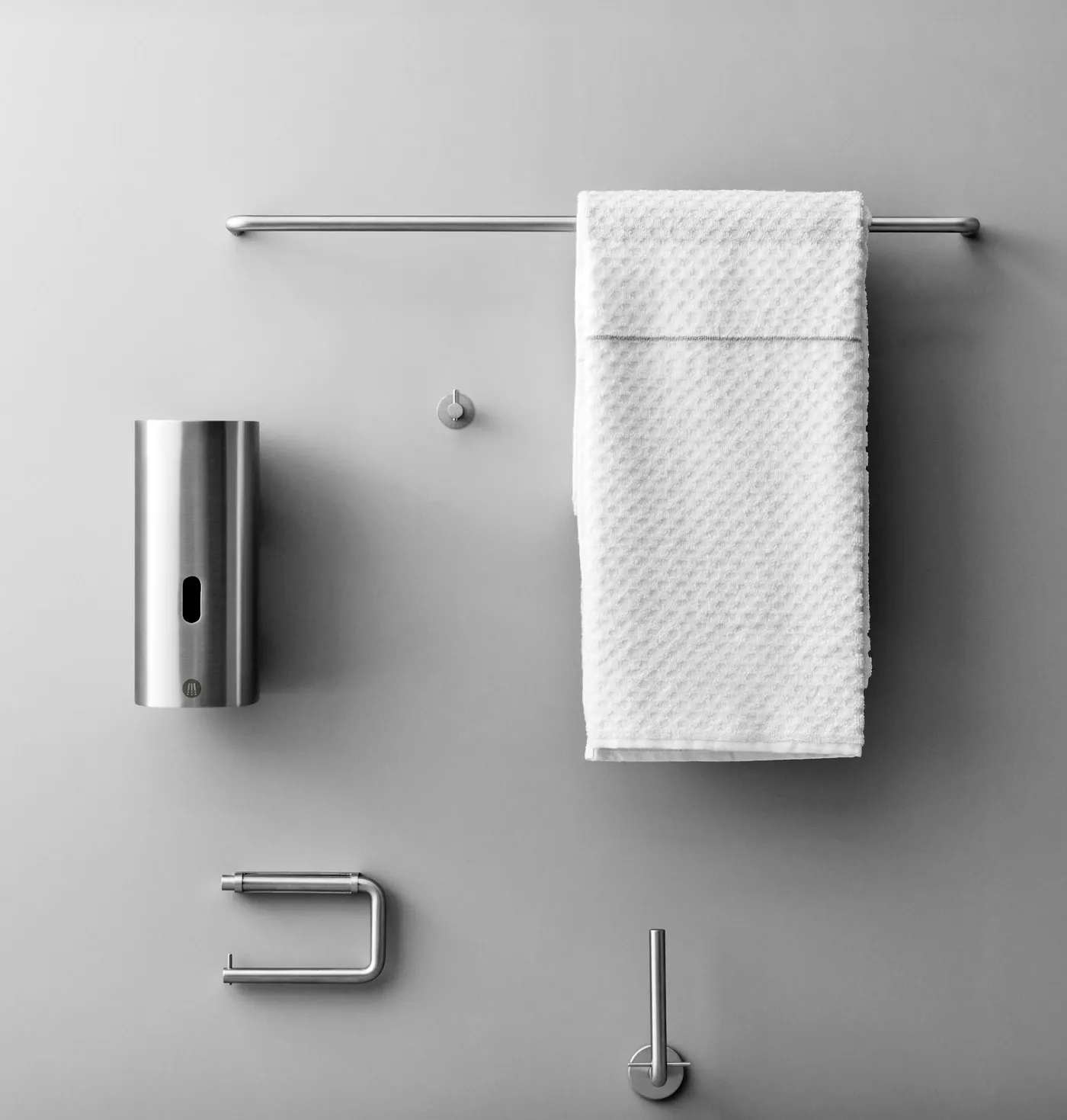
Stainless steel is central to d line’s products because of its hygiene benefits, durability, and timeless aesthetic qualities that make it ideal for long-term use in both public and private buildings. However, stainless steel is also a resource- and energy-intensive material to produce.
According to d line’s ESG report, 63% of the company’s total carbon footprint comes from material use alone, making material efficiency one of the most critical levers for emissions reduction. This reality underscores the need for a circular approach that minimises new production, reduces extraction, and keeps existing products in use for as long as possible.
A take-back scheme directly addresses this impact by allowing d line to recover, renew, and return products instead of manufacturing replacements significantly lowering embodied carbon while extending product lifecycles.
What Is Re-handle? d line’s Circular Take-Back & Renewal System
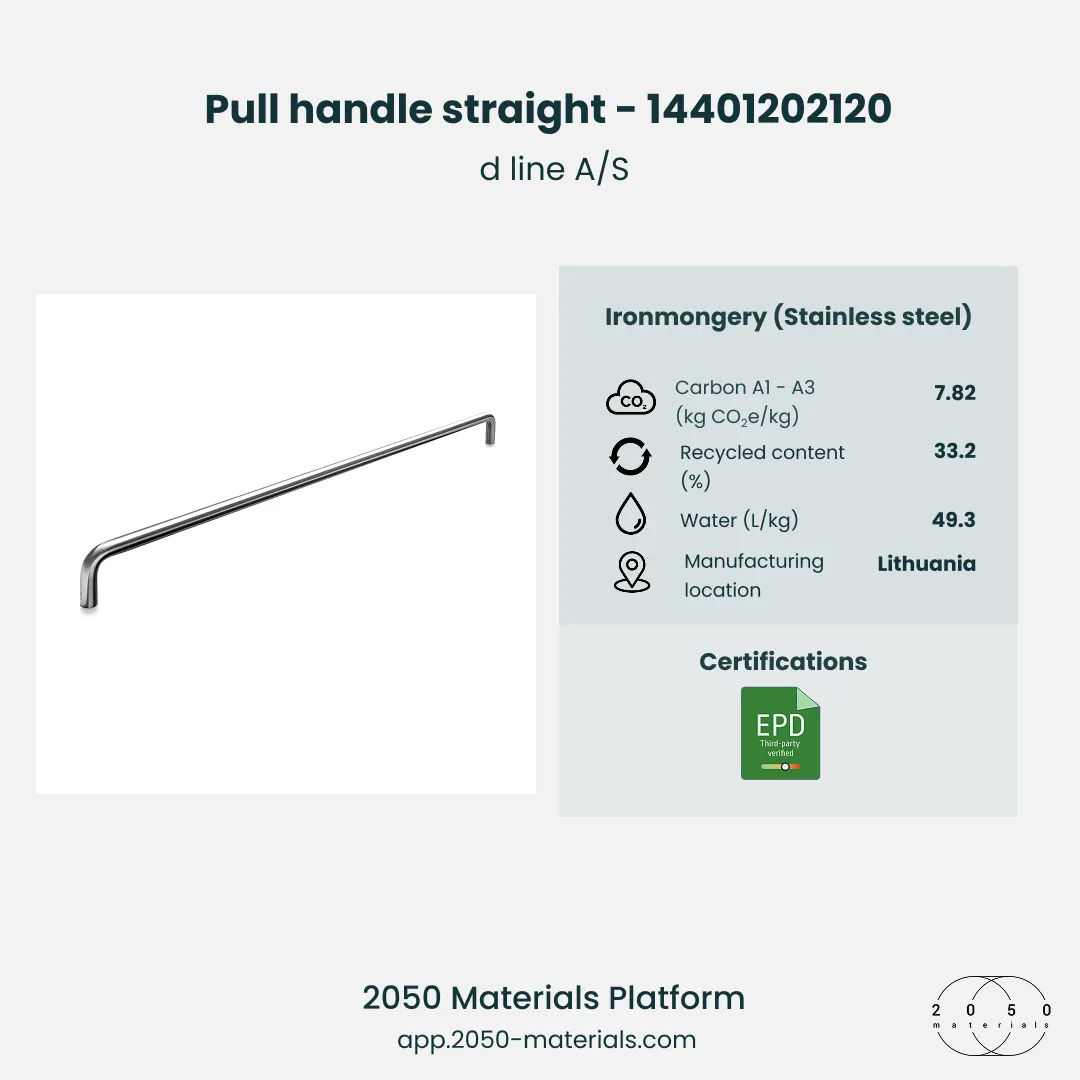
Re-handle is d line’s industry-first circular take-back and renewal service, designed to keep products in use for decades while drastically reducing material-related emissions.
Through the programme, d line retrieves original products whether at end-of-life or after an installation cycle and brings them back into a controlled refurbishment process. Each item is disassembled, repaired, renewed, or replaced where necessary, then brushed and refinished to look and function “as good as new.”
By restoring rather than remanufacturing, every Re-handle cycle extends the product’s lifespan, avoids the environmental cost of producing a new unit, and delivers substantial carbon savings with emissions reduced by 54–91% per renewal.
How the Re-handle Scheme Works
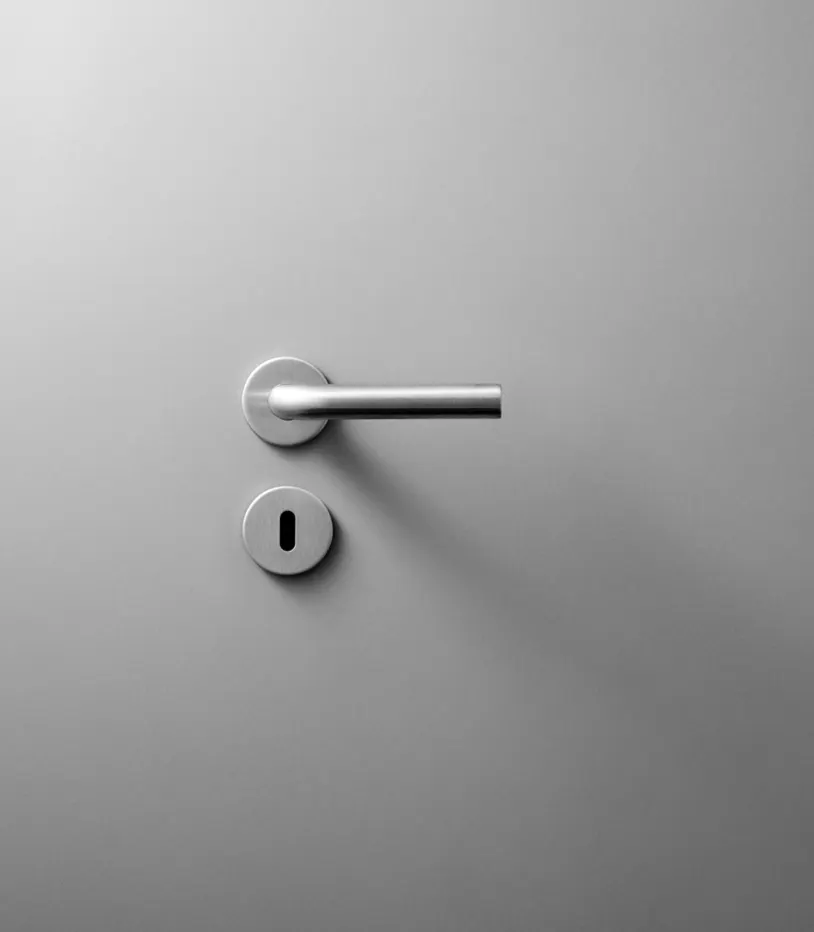
The Re-handle service follows a clear circular workflow that ensures products are restored efficiently and kept in use for as long as possible.
1. Take-back
d line collects original hardware directly from customers or project sites, bringing products back into their controlled renewal system.
2. Assessment & Disassembly
Because d line products are designed for full disassembly using standard tools, each item is inspected and taken apart to prepare it for restoration.
3. Repair & Renewal
Components are repaired, replaced, or refinished as needed. Every product is brushed and restored to perform and appear “as good as new.”
4. Reinstallation & Warranty Renewal
Once renewed, the product is returned to the customer with a 20-year warranty, which is reset and extended with every Re-handle cycle, supporting long-term, low-impact use.
Environmental Impact: How Re-handle Reduces Emissions
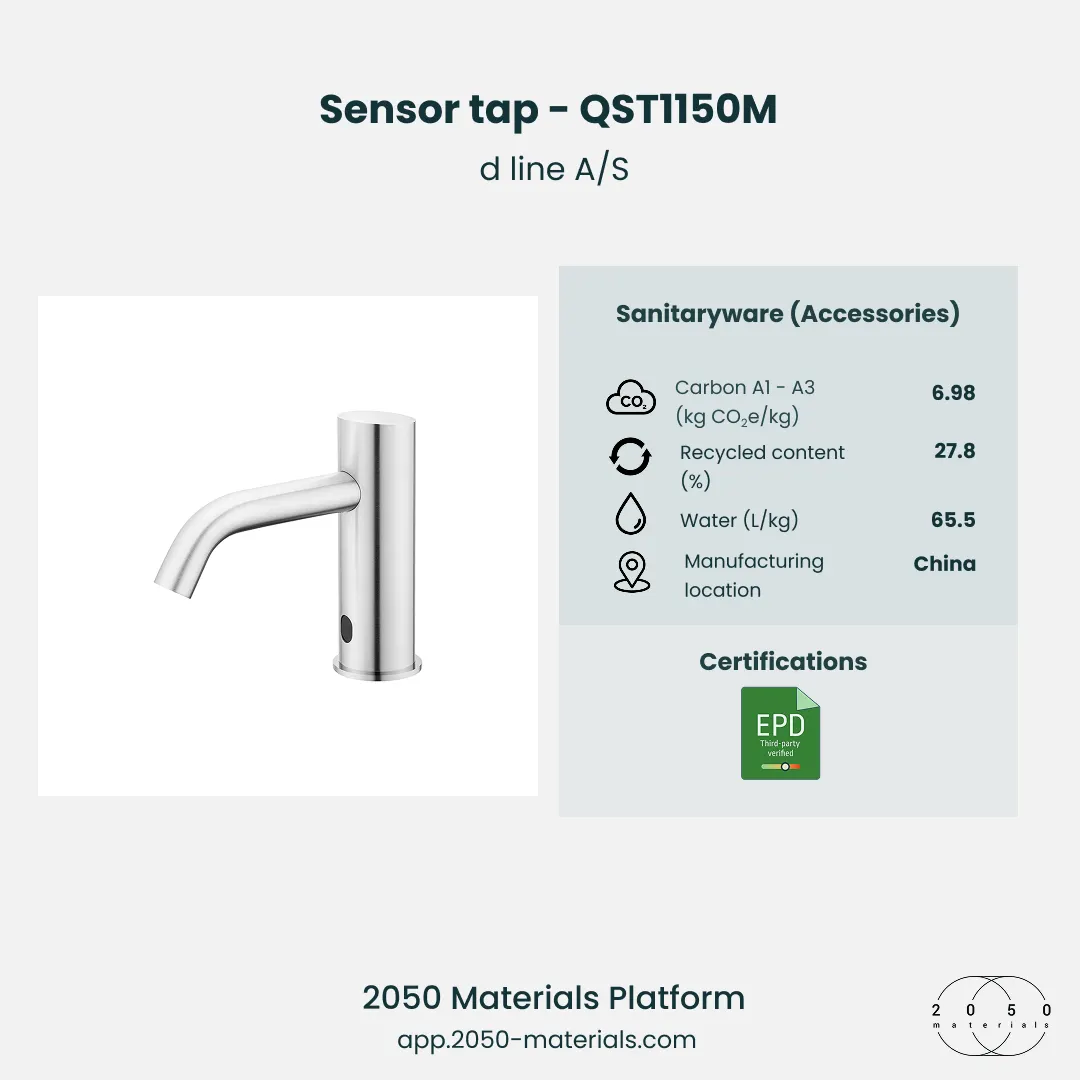
Re-handle delivers significant, measurable carbon and resource savings across the full lifecycle of d line products.
Major CO₂ reductions
Each Re-handle renewal lowers emissions by 54–91% compared to manufacturing a new product, making it one of the most effective levers for reducing embodied carbon.
Extending lifecycles up to 100 years
A single product can be Re-handled up to four times, enabling 100 years of guaranteed use through repeated renewal.
High-value materials kept in circulation
All hardware is produced using 100% recyclable AISI 316 stainless steel, ensuring materials remain fully recoverable.
High recycled content in material sourcing
The stainless steel used in production contains 50–70% recycled content, reducing reliance on virgin resources.
Low-impact packaging
Cardboard and plastic packaging consist of 90% recycled material, reinforcing circularity beyond the product itself.
Circular Design Behind Re-handle
Re-handle is built on core circular economy principles that guide how d line designs, manufactures, and manages products throughout their lifecycle.
a. Eliminating Waste
d line’s production processes maintain an exceptionally low 0.3% failure rate, minimising waste from the outset. Products are also designed for full disassembly and recyclability, allowing every component to be accessed, repaired, or reused rather than discarded.
b. Circulating Materials
Re-handle keeps high-quality materials in circulation by extending product lifetimes up to 100 years through repeated renewal cycles. The take-back and refurbishment model eliminates the need for full product replacement, significantly reducing material demand and embodied carbon over time.
c. Regenerating Resources
While d line has not yet implemented nature-regeneration initiatives, the company plans to explore ecological restoration in future years, expanding its circular impact beyond products and materials.
Warranty, Transparency & Certification
d line strengthens trust and long-term value through rigorous quality assurance and transparent sustainability data.
20-year renewable warranty
Every product comes with a 20-year warranty, which is renewed after each Re-handle session, ensuring long-term performance and customer confidence.
Broad Re-handle coverage
The circular renewal service is available for 250 different product types, enabling widespread lifecycle extension across the portfolio.
Verified environmental transparency
With EPDs covering 40% of the product range, d line provides clear, credible lifecycle data to support sustainable specification and responsible procurement.
Use Cases & Who Benefits
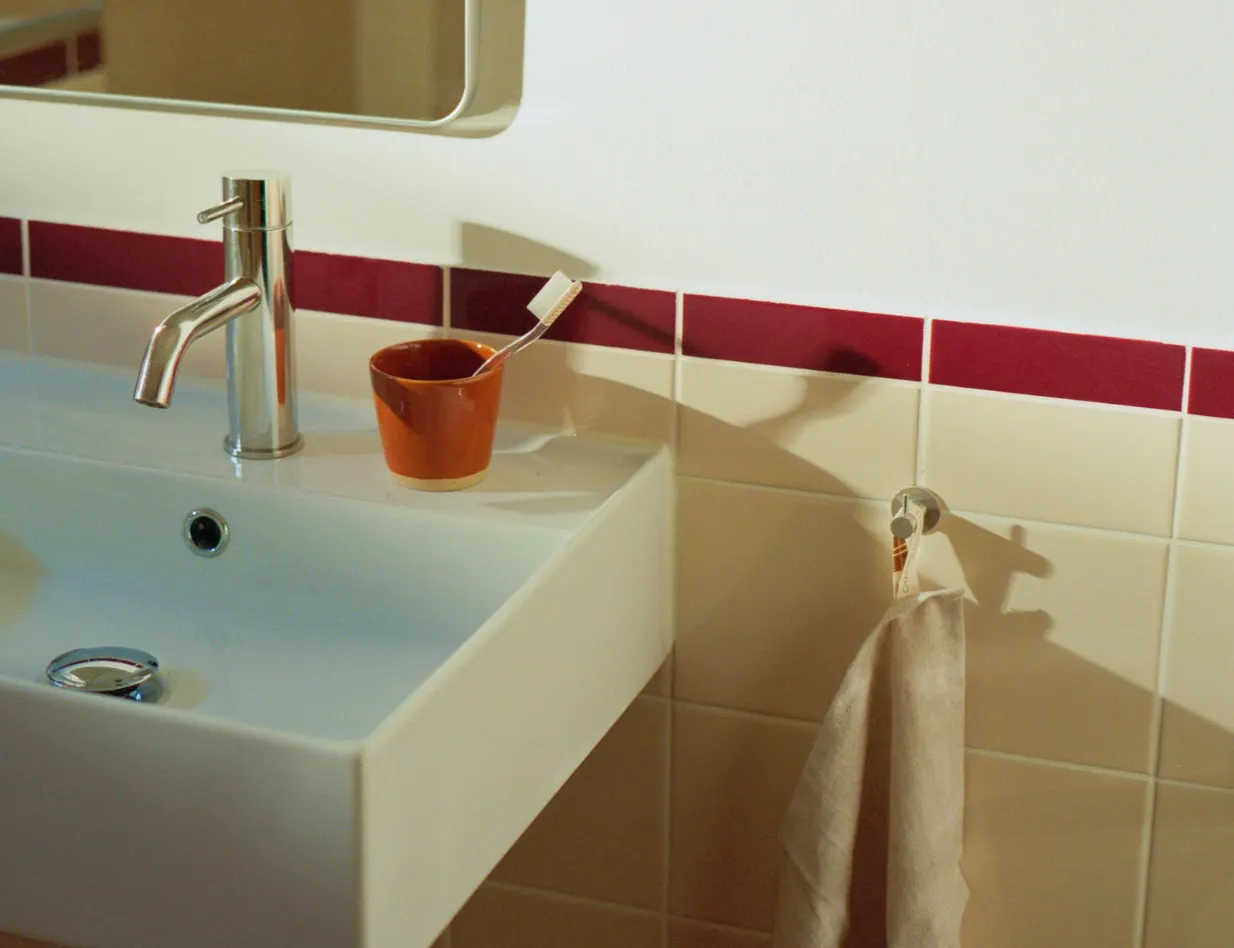
Re-handle brings measurable value across sectors where durability, aesthetics, and lifecycle performance are critical.
• Commercial buildings
Offices, retail environments, and high-traffic workplaces benefit from renewed hardware that withstands daily wear without the cost or carbon impact of full replacement.
• Public spaces
Airports, stations, and civic buildings — where fixtures see constant use — rely on long-term durability and consistent performance that circular refurbishment supports.
• Hotels & hospitality
Spaces that must maintain a flawless visual appearance gain from hardware that can be restored to as-new condition, ensuring both design quality and sustainability.
• Circular construction projects
Developments prioritising embodied carbon reduction and material reuse can incorporate Re-handle as a practical mechanism for lifecycle extension and resource efficiency.
Why it matters to architects, designers & developers
Re-handle enables project teams to specify products that deliver lower embodied carbon, verified longevity, and circularity in practice aligning seamlessly with sustainability frameworks, procurement criteria, and long-term building performance goals.
Conclusion
As the built environment continues to confront the carbon intensity of materials, circular solutions for hardware and fittings are no longer optional; they are essential. Extending product lifecycles, reducing waste, and avoiding new extraction are now core strategies for achieving meaningful embodied carbon reductions.
With Re-handle, d line has established one of the most mature and impactful take-back systems in the sector. By renewing products rather than replacing them, the programme delivers measurable environmental benefits while preserving material quality and design integrity for decades.
To explore d line’s products, their EPD-backed sustainability data, and how Re-handle can support circular building strategies, visit their product page on the 2050 Materials platform.
Related articles
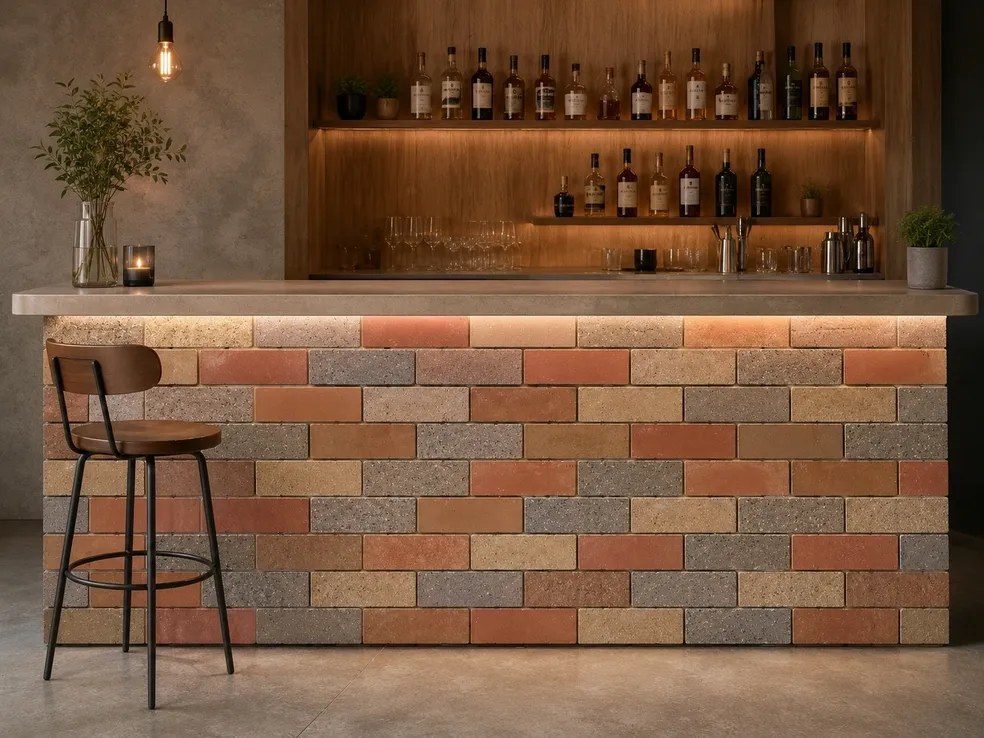
e4E Brick Slips: All the Brick, None of the Kiln
e4E makes brick slips from excavated soil, pressed rather than fired. See how they are made, the formats you can specify and the verified EPDs behind the range.
Read more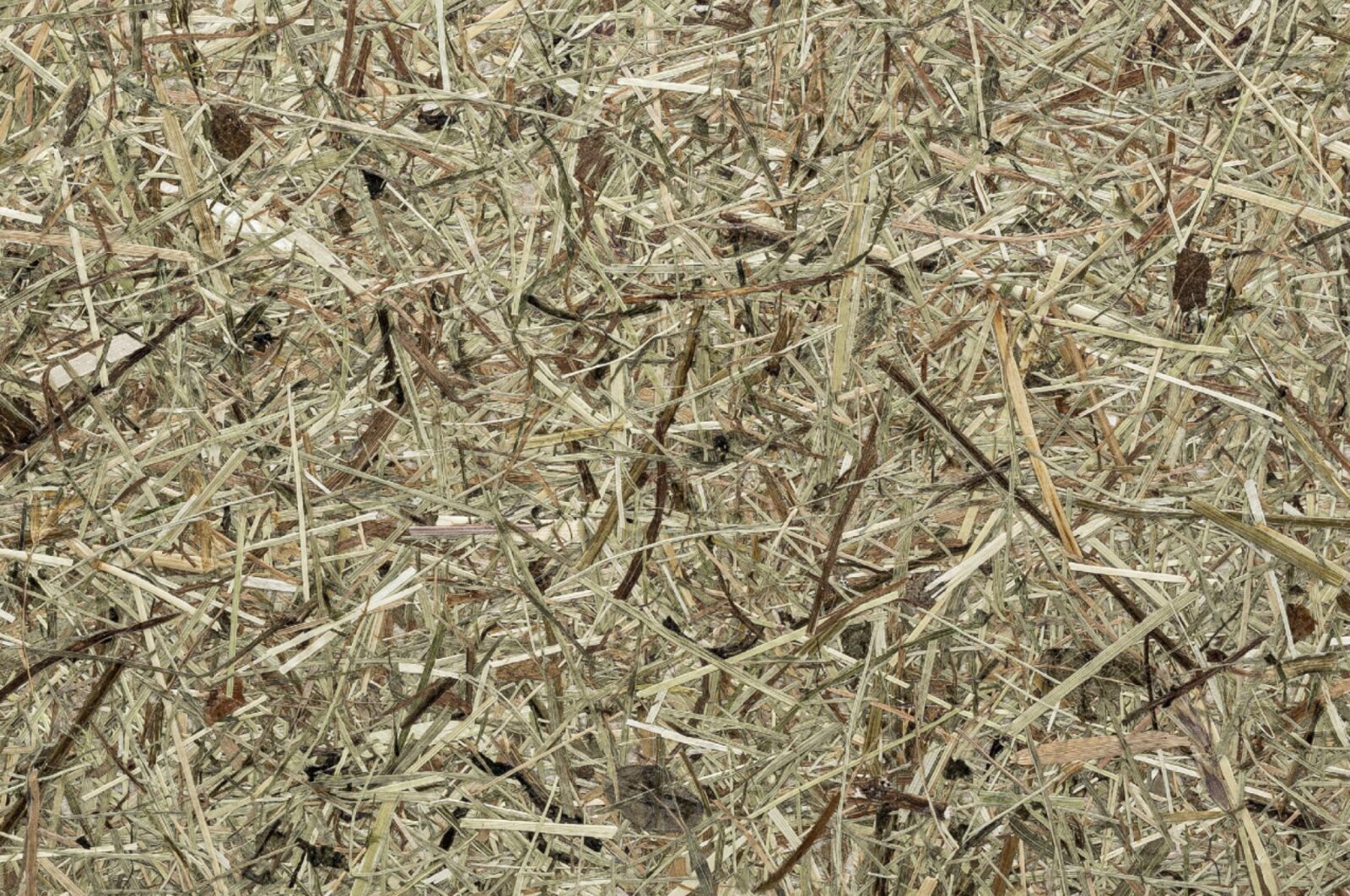
CaraGreen’s Organoid Wildspitze: A Wallcovering Grown, Not Manufactured
CaraGreen's Organoid Wildspitze is a wallcovering made from hand cut alpine hay, backed by a third party verified EPD showing 2.2 kg CO2e/m² GWP and stored biogenic carbon.
Read more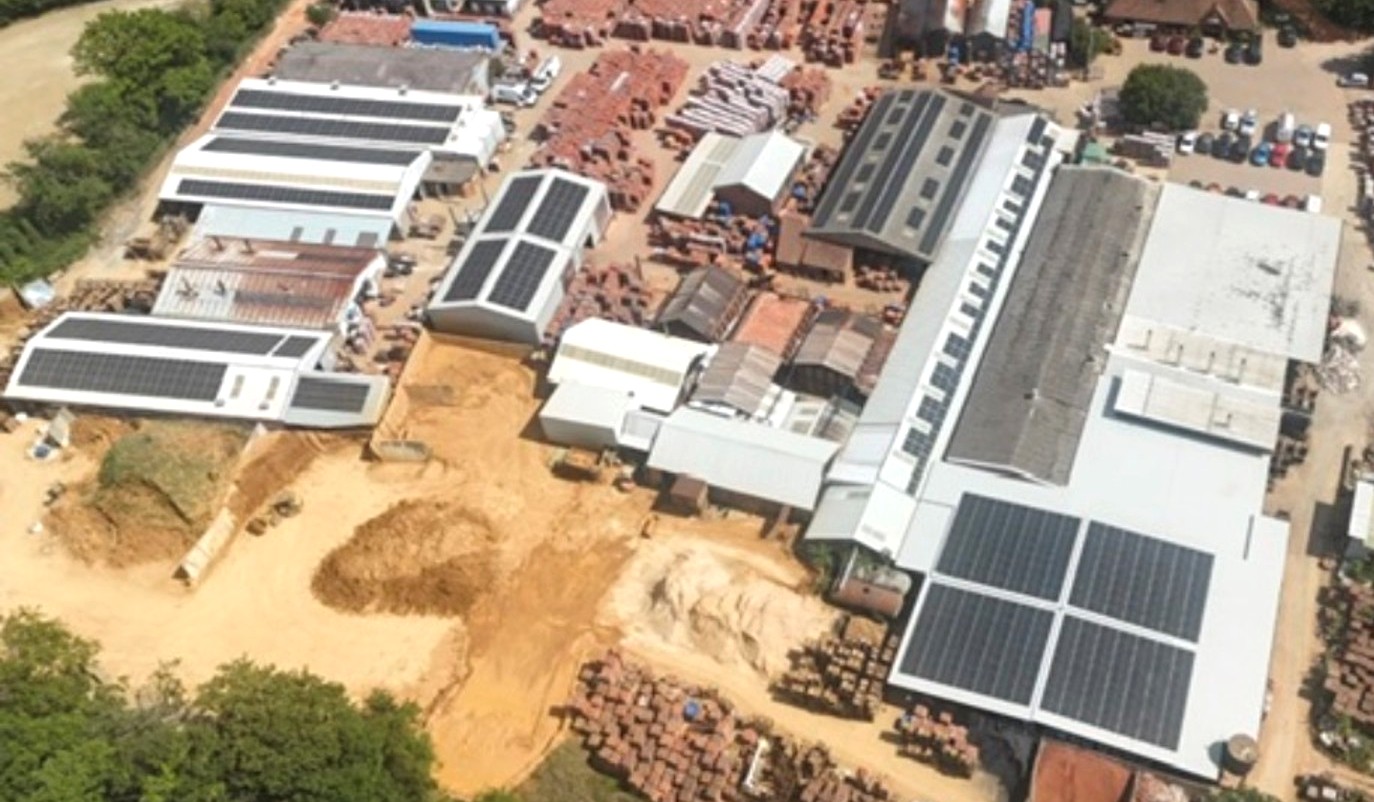
H.G. Matthews: Beyond the EPD
H.G. Matthews' new solar-biomass energy system at The Brickworks, Bellingdon is cutting diesel use and lowering embodied carbon, the latest step in a track record of measurable, verified environmental improvement backed by published EPDs.
Read more