Inside Hutton Stone’s Low-Impact Natural Stone Process

Natural stone carries a historic, timeless presence, a material grounded in durability, strength, and local character. But behind its solid form lies a process that demands care, efficiency, and deep respect for place. At Hutton Stone, that process begins in the ground and follows a deliberate path from quarry to site, shaped by skilled hands and thoughtful decisions. This article walks through each stage of their stone production, revealing how the company’s methods keep material use efficient, transport minimal, and craftsmanship central not by changing what stone is, but by treating it with the same integrity it brings to every project.
1. Locally Quarried: The Raw Material Advantage

Hutton Stone’s process begins at the quarry face, where large blocks of natural sandstone are extracted with precision and care. This initial step sets the tone for everything that follows not just in terms of material quality, but in the approach to using resources wisely.
By maximizing the use of every block, and using innovative techniques, the team ensures that each extraction yields as much usable material as possible. The goal isn’t to remove as much stone as quickly as possible, but rather to work deliberately, taking what’s needed while preserving the integrity of the quarry. This method reduces unnecessary disturbance and keeps raw material sourcing efficient and traceable.
2. Block Selection and Material Efficiency

Once the sandstone blocks have been extracted, each one is carefully inspected. Criteria like overall size and quality, colour, and natural character are all considered to determine the most appropriate application for each block, in addition to this, blocks are selected by looking at the requirements of each project and determining the most efficient, sustainable option that creates minimal waste.
A grade blocks are earmarked for refined masonry and ashlar, while irregular, smaller or less uniform pieces are allocated for uses such as walling or bricks. This intentional sorting process ensures that no stone goes to waste, while also delivering the right material for the right job both technically and aesthetically.
3. From Raw Block to Precision Cut

In the sawing stage, large sandstone blocks are cut into slabs using diamond-tipped saws. These precise cuts transform the raw stone into sawn 2 sides slabs, maximising yield from each block while preserving its natural quality.
Following this, slabs are reduced further into specific sawn 6 sided units based on project requirements.
The team utilizes one multi wire saw, one single wire saw, one mono frame saw, three 2 metre saws, three 1000–1300 cnc saws, 2 walling splitting lines, and one ashlar line to produce bespoke units, blocks, walling or bricks each tailored for efficiency, structural use, or architectural detailing. Every cut is planned, and every piece serves a purpose.
4. Crafting the Details: Precision, Bespoke Masonry

If required, the process then moves into the banker masons work shop or our carvers shed, where accuracy meets craftsmanship. Using both traditional hand tools and modern equipment, masons refine the stone’s faces and edges to exact specifications. These finishing touches bring out the sandstone’s natural character while ensuring clean lines and consistency.
To achieve this further refinement handled by Hutton Stone’s skilled masons, they work from detailed drawings or templates, they carve, dress, and shape each block into its final form whether it’s a custom piece, moulding, or standard unit. All off-cuts from both the sawing and masonry processes are kept in circulation, reused for walling or cut down for other projects.
5. Finishing Touches: The Rubbing Shed
If Masonry is not required, then, in the rubbing shed, sawn faced stone transitions into finely finished pieces through a blend of traditional and modern techniques. Skilled team members use a combination of manual rubbing blocks and water cooled rubbing guns to finely smooth and prepare each surface. These final adjustments not only enhance dimensional accuracy but also highlight the unique grain and texture of the sandstone, allowing the material’s natural qualities to show through. Each piece that passes through the shed is prepared for a specific purpose, whether decorative, structural, or functional.
Building Blocks: Darney Walling
Darney Walling Stone begins its journey at the Darney Quarry, where large sandstone blocks are extracted and transported to the walling shed. From here is slabbed to a required height, typically 140mm, then is run through an automated 4 sided split, before being packed and wrapped.

This process allows for full colour range of the stone type, meaning every block that comes out of the quarry is utilised to its full capacity.
Made Nearby: Darney Bricks

As well as Darney walling, Darney Bricks are produced just a few yards from where the stone is quarried, keeping transport to a minimum and the process tightly controlled. Blocks of Darney sandstone are first extracted, then immediately transported to the nearby brick line where they’re sawn into traditional brick units and packed for delivery.
Each brick is cut, and finished to consistent dimensions while preserving the natural characteristics of the Darney stone. Every unit is checked for quality, giving each batch its own unique visual identity rooted in its geological origin. By keeping extraction and production side by side, Hutton Stone reduces unnecessary transport, maintains full oversight, and ensures that every brick reflects both its material and its maker, while keeping a carbon footprint as low as possible.
6. Nothing to Waste: Walling Shed Reuse

Off-cuts and leftover pieces from earlier stages are taken to the walling shed, where they’re repurposed into random, nominal bedwidth split faced walling suitable for wall construction. Each piece is sized and hand-dressed with care, keeping waste low and function high.
7. Responsible Delivery and Dispatch

Once the stone is finished, it’s carefully palletised and loaded for delivery. Orders are checked and labelled for each project, whether destined for a local cottage or a major infrastructure build.
Flexible delivery options including HIAB offload, articulated lorry, and Palletline ensure efficient logistics. With their own fleet and experienced drivers, Hutton Stone controls every step of the journey from workshop to site, ensuring each order arrives ready to be used.
8. On-Site Collaboration and Support

For over 30 years, Hutton Stone has supplied projects of all scales from bespoke, single-home details to high-volume commercial work. Quality and responsible practice remain at the centre of every order, with long-standing relationships built through consistent delivery and careful coordination with project teams.
Case Studies
1. Mile End Townhouse

Location: London
Stone Used: Darney Heritage Natural Stone Bricks
Application: Rear extension of a Grade 2 listed townhouse
Architect: Studio Folk
The Mile End Townhouse project, beautifully demonstrates how sensitive design and quality materials can breathe new life into a historic home. Carefully designed to maximise natural light and strengthen the connection between indoors and outdoors, the extension features a calm, understated palette that allows the texture and tone of the Darney brickwork to take centre stage. The result is a seamless blend of old and new — where traditional craftsmanship meets modern living, and the warmth and subtle variation of the bricks provide continuity with the home’s historic fabric while enhancing its timeless appeal.
2. Carter Dene Development

Location: Lesbury, Northumberland
Stone Used: Darney Walling
Application: New build housing development
Main Contractor: Bondgate Homes Ltd, Aston Walker Developments
The Carter Dene Development, is a stunning example of how thoughtful design and premium natural materials can create a timeless sense of place. The warm, golden tones of the Darney sandstone bring a natural harmony to the development, complementing Lesbury’s village character while offering a fresh, contemporary edge. Each home has been carefully detailed to balance tradition and modern living — demonstrating how locally sourced stone can deliver lasting quality, sustainability, and architectural charm perfectly suited to its Northumberland setting.
3. Private Build

Location: Thropton
Stone Used: Darney Sandstone, Buff Mix Walling
Application: New build
Main Contractor: Private Build
This Private Build project exemplifies the use of Buff Mix sandstone and Darney sandstone to create a modern yet locally rooted aesthetic. The subtle tonal variation of the Buff Mix creates warmth and texture, while the precision-cut Darney detailing enhances the home’s architectural features with timeless elegance. Set against the stunning rural backdrop of Thropton, this project highlights the enduring appeal and versatility of locally sourced stone — delivering a home that feels both rooted in its landscape and effortlessly modern.
You can explore more projects by visiting their website here.
Looking Ahead: Towards a More Responsible Future
Hutton Stone’s process brings together new technology with traditional historic skills; it relies on deliberate choices, skilled labour, and full-circle thinking. From sourcing to shaping to delivery, every step considers material efficiency, proximity, and long-term durability while working towards a minimal carbon footprint. Without needing to label itself as such, the company presents a working model of low-impact manufacturing proving that with enough care, traditional materials can meet the demands of a changing world.
Discover the full range of products by Hutton Stone on the 2050 Materials Platform.
Related articles
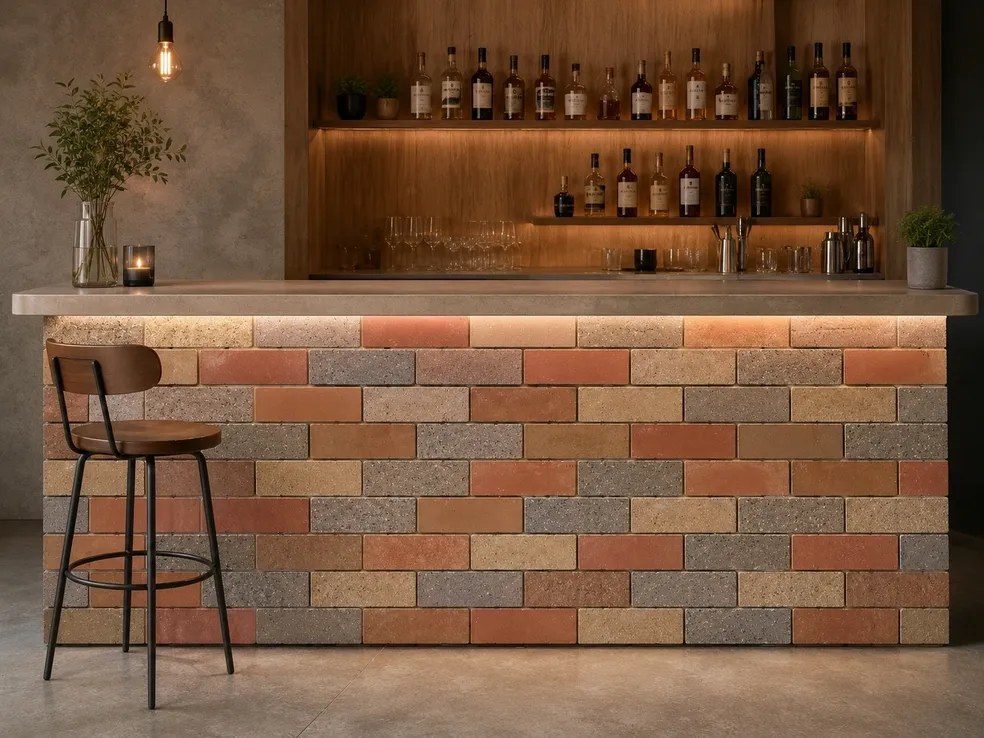
e4E Brick Slips: All the Brick, None of the Kiln
e4E makes brick slips from excavated soil, pressed rather than fired. See how they are made, the formats you can specify and the verified EPDs behind the range.
Read more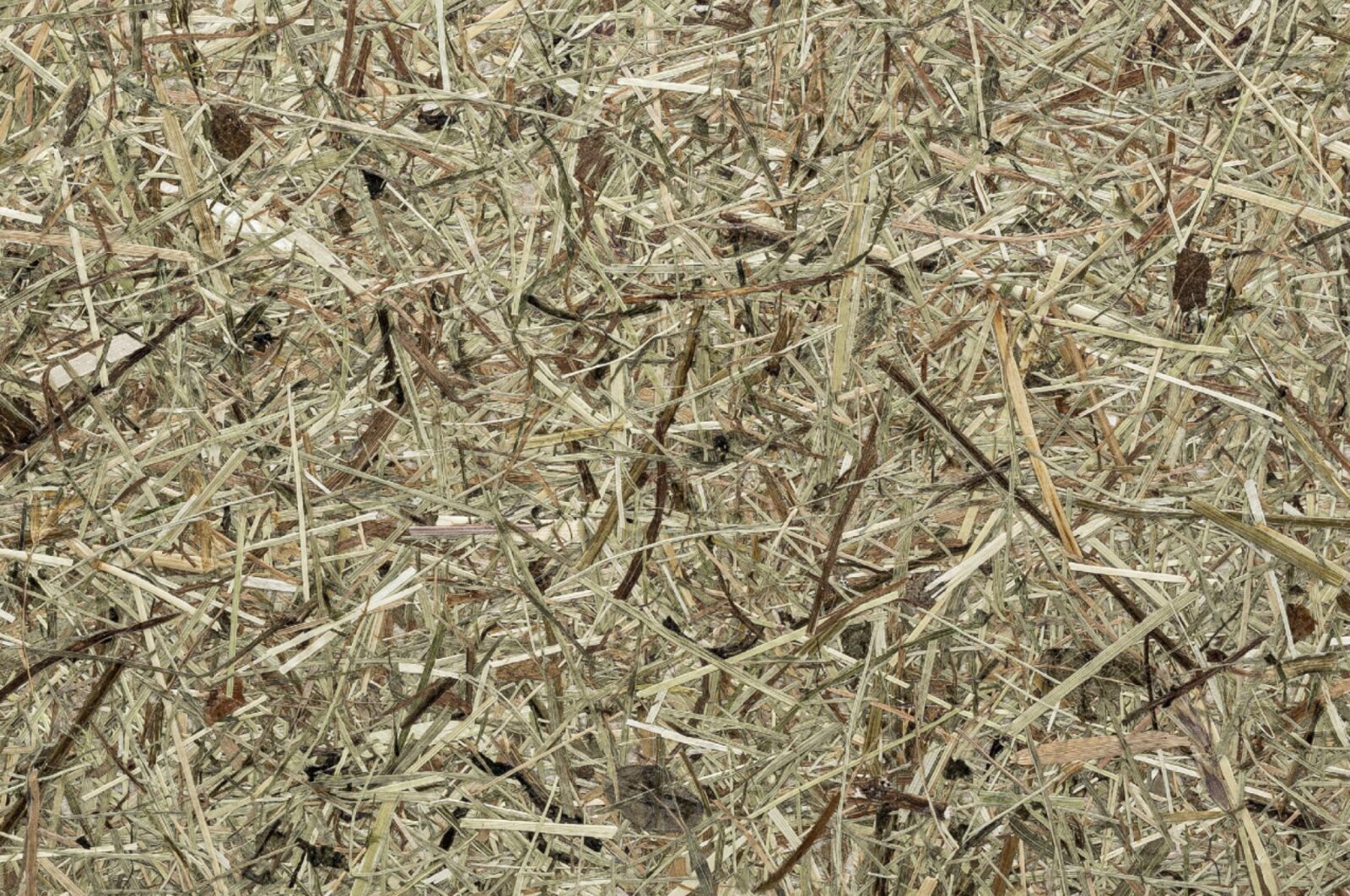
CaraGreen’s Organoid Wildspitze: A Wallcovering Grown, Not Manufactured
CaraGreen's Organoid Wildspitze is a wallcovering made from hand cut alpine hay, backed by a third party verified EPD showing 2.2 kg CO2e/m² GWP and stored biogenic carbon.
Read more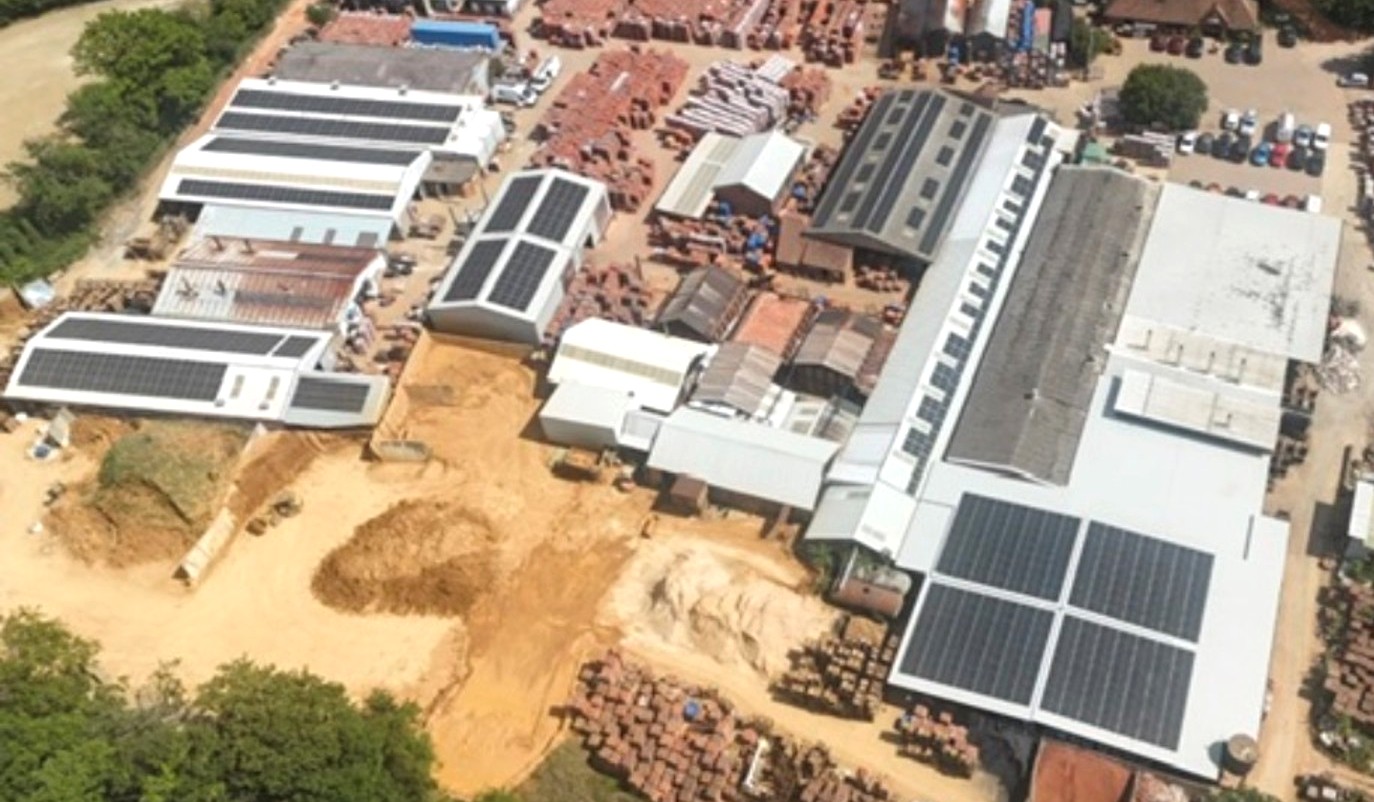
H.G. Matthews: Beyond the EPD
H.G. Matthews' new solar-biomass energy system at The Brickworks, Bellingdon is cutting diesel use and lowering embodied carbon, the latest step in a track record of measurable, verified environmental improvement backed by published EPDs.
Read more