Building a Legacy with Hutton Stone
Hutton Stone is a leading supplier of natural sandstone, known for its dedication to sustainable building practices. By responsibly quarrying local materials, Hutton Stone supports and supplies both historic restorations, new build developments and contemporary architecture while trying to minimize its environmental impact. Their commitment to reducing carbon emissions includes local sourcing, waste minimization, and the promotion of sandstone’s natural durability, energy efficiency, and recyclability.
As a recognized member of the SME Climate Hub community, Hutton Stone actively demonstrates its pledge to environmental stewardship through measurable actions, ensuring that their products offer longevity without sacrificing ecological integrity.
The Evolution of Hutton Stone: From Dream to Innovation
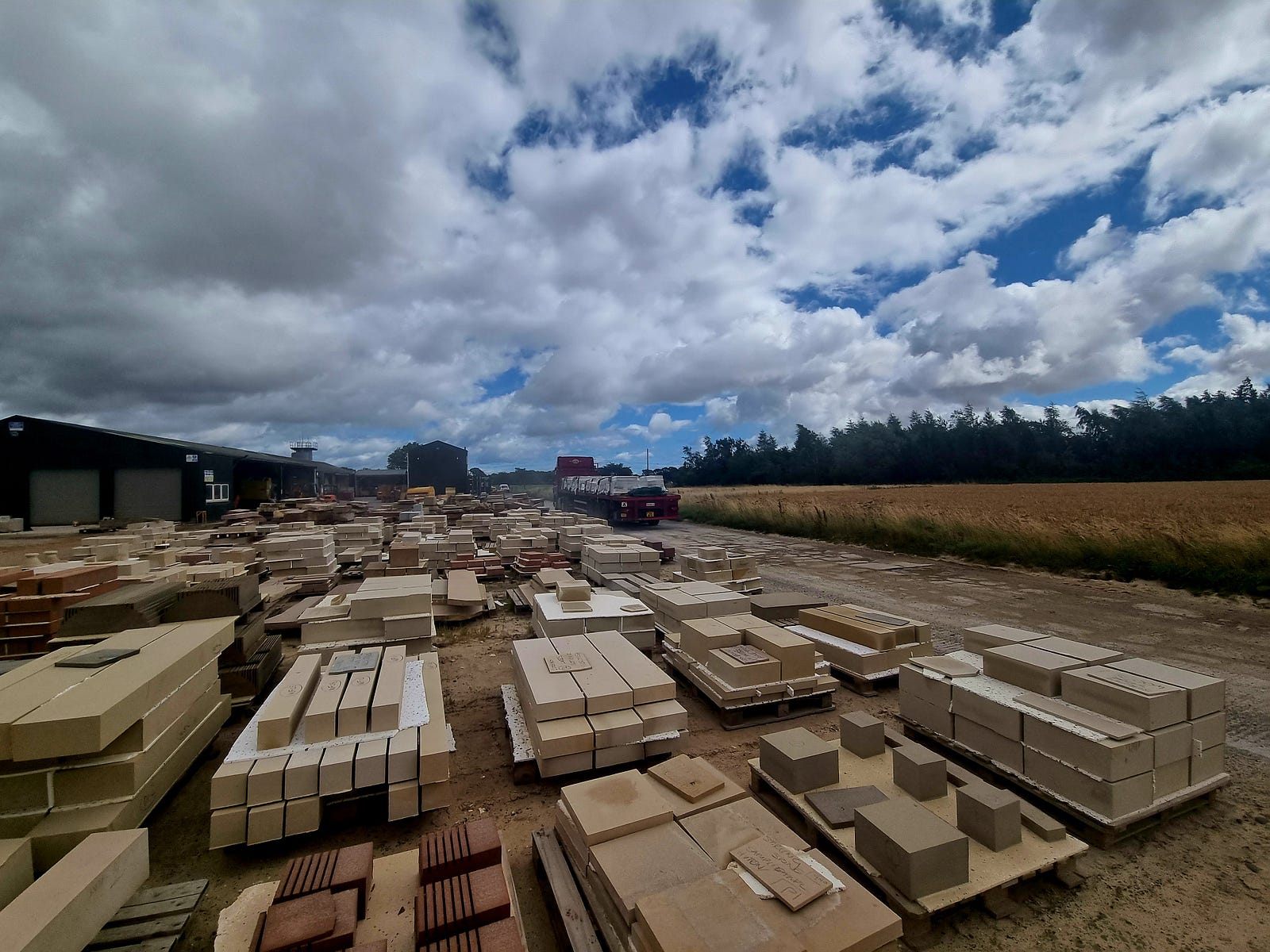
Hutton Stone was founded in 1994 by Marcus Paine, the fifth generation in a proud line of quarriers, driven by his passion for traditional stone masonry and sustainability. Drawing on a deep-rooted family heritage, Marcus noticed a lack of stone supply in the local area before growing to be nationally known, since then he has recognized a clear need for environmentally responsible, locally sourced building materials and Hutton Stone aims to address this gap.

 "My initial vision was to supply and support local builders and masons, over time it grew to see the importance of supplying a building material that not only reduced carbon but gave back to the planet"
Marcus Paine Managing Director
Significant milestones, such as the acquisition of Darney quarry which allowed for the supply of the acclaimed Darney Heritage Walling and strategic partnerships with The Stone Collective and Stone Federation, have cemented Hutton Stone’s reputation for high quality masonry supply and sustainable innovation.
Founder's Journey: The Mind Behind the Mission
Marcus Paine’s professional journey began in supplying traditional masonry, providing him a deep understanding of stone’s potential in architecture. His core belief in combining heritage practices with sustainable methods shapes Hutton Stone’s operations.

Marcus’s typical day involves overseeing quarry operations, exploring new sustainable practices, and collaborating closely with architects and designers. “Sustainability isn’t just about the material itself; it’s also about the processes and relationships we build along the way,” Marcus notes, underscoring his holistic approach to sustainability.
A Glimpse Inside: The Heart of Hutton Stone
Hutton Stone operates multiple sites across Darney Quarry, Hazeldean Quarry, Swinton Quarry, and its West Fishwick production facility. Each location emphasizes sustainability through eco-friendly operations, such as advanced water recycling systems, electric forklifts, and a unique re-planting programme that restores quarry landscapes.
Crafting Hutton Stone: The Art of Sustainable Production
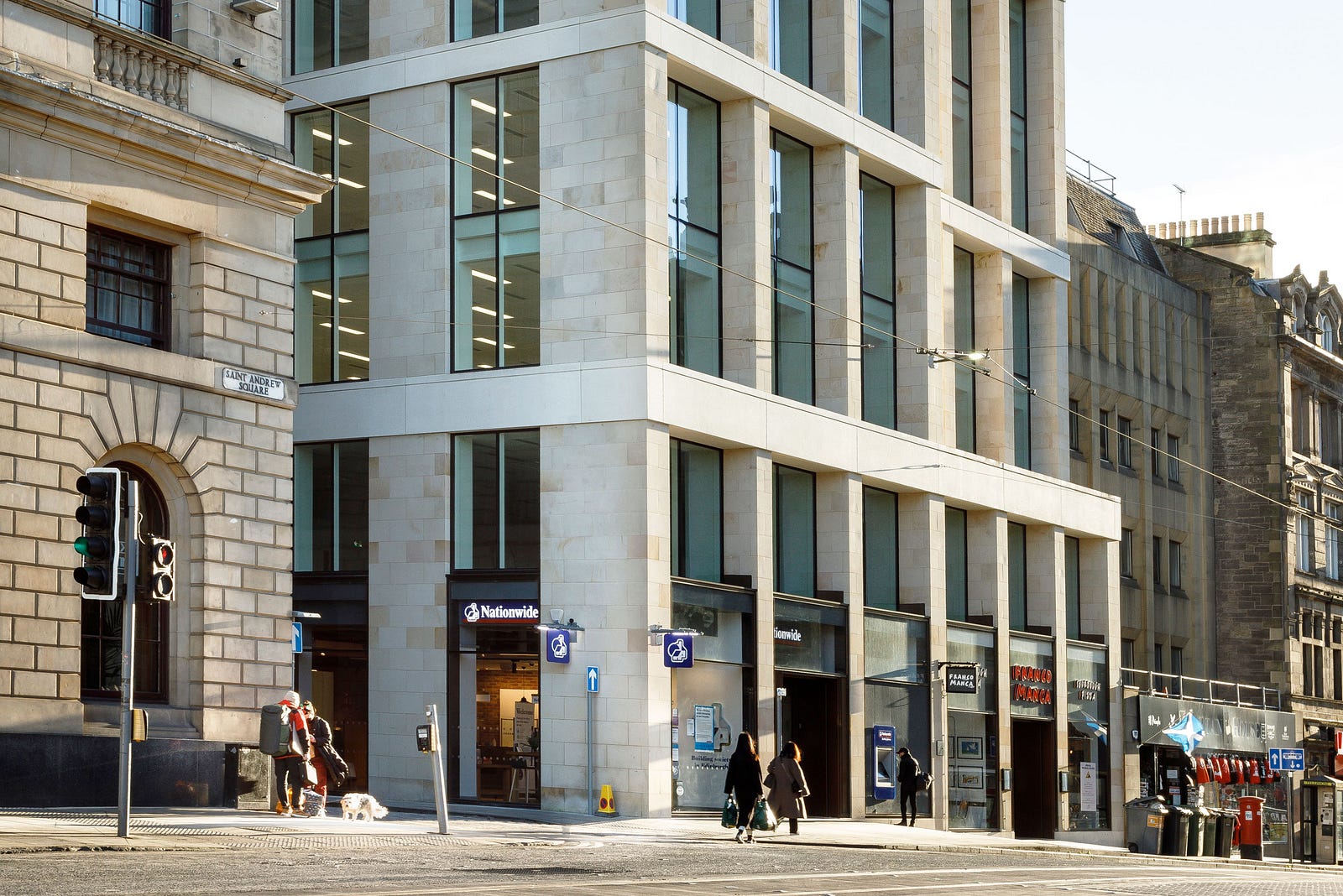
The production process at Hutton Stone is meticulous, from careful block selection to precision manufacturing:
- Block Procurement: Blocks are sourced or purchased, ensuring consistency and quality.
- Block Reception: Rigorous inspection prevents defects.
- Manufacturing: Precision cutting and careful review against agreed standards.
- Quality Control: Detailed inspections at every stage, with imperfect materials cut down for other projects or recycled into random walling.
- Packing: Materials are packed using recyclable pallets and protective packing to ensure safe transport.
Signature Products: The Hutton Stone Collection
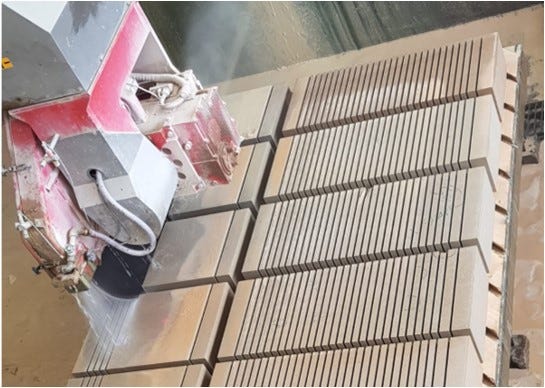
Hutton Stone’s most sought-after products include Darney, Swinton, and Hazeldean sandstones, each uniquely suited to different architectural needs. Darney Sandstone is robust and weather-resistant with many notable new and historic projects throughout the UK. Swinton Sandstone is ideal for supply for local projects, and Hazeldean Sandstone is known for its similarities to no longer available historically used sandstones.
Additionally, their innovative Darney Split and Sawn Stone Bricks, available from Hutton Stone and select brick merchants, represent a significant step toward lower-carbon construction materials compared to traditional clay bricks. These products have earned certifications like the UK Ethical Stone Register and comprehensive Environmental Product Declarations (EPDs).
Shaping the Future: Hutton Stone's Vision
Looking forward, Hutton Stone continues to advance sustainability through ongoing product innovation and expanding its eco-friendly practices. The company remains committed to supporting local communities, empowering farmers, and demonstrating sandstone’s potential as a sustainable construction material on a global scale.
Taking the Next Step
We invite architects, designers, and builders to:
- Meet Marcus and the Hutton Stone team.
- Visit 2050 Materials to select materials that contribute meaningfully to sustainable construction.
Related articles
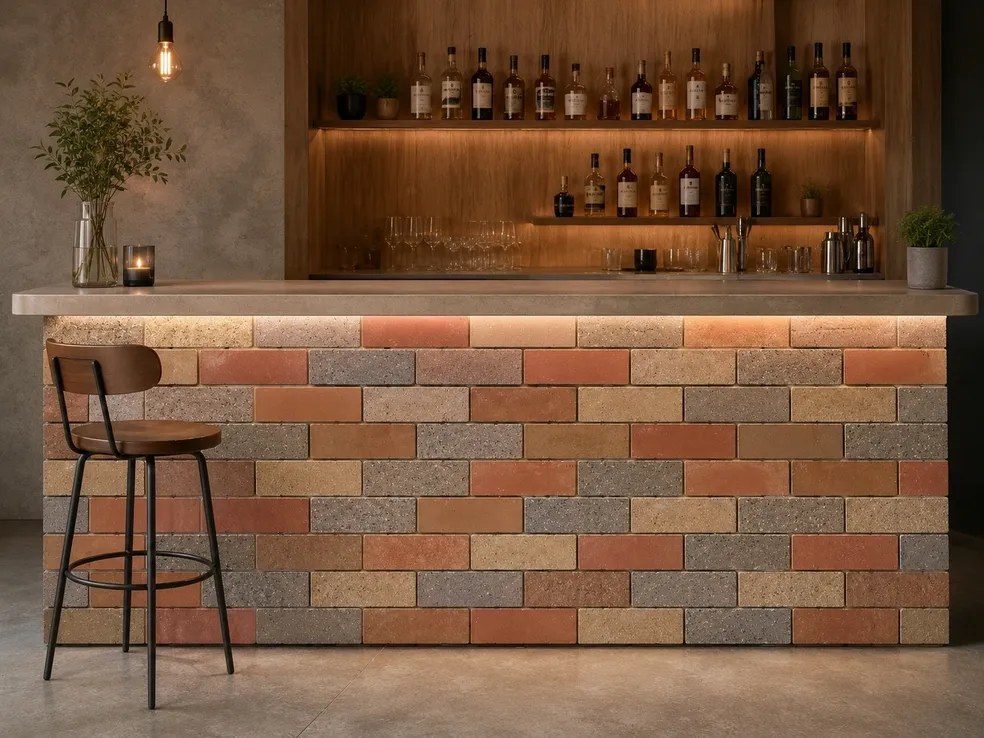
e4E Brick Slips: All the Brick, None of the Kiln
e4E makes brick slips from excavated soil, pressed rather than fired. See how they are made, the formats you can specify and the verified EPDs behind the range.
Read more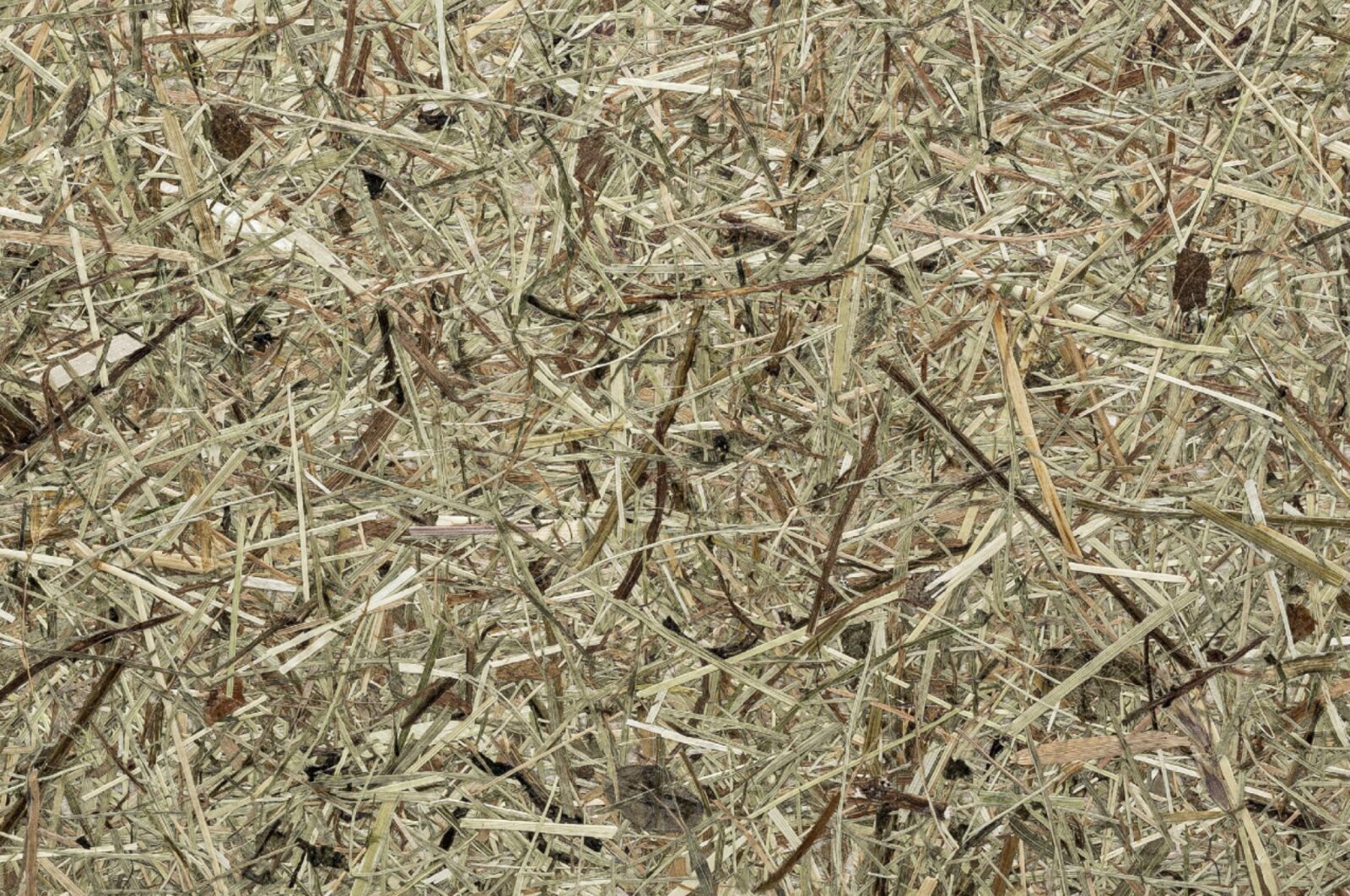
CaraGreen’s Organoid Wildspitze: A Wallcovering Grown, Not Manufactured
CaraGreen's Organoid Wildspitze is a wallcovering made from hand cut alpine hay, backed by a third party verified EPD showing 2.2 kg CO2e/m² GWP and stored biogenic carbon.
Read more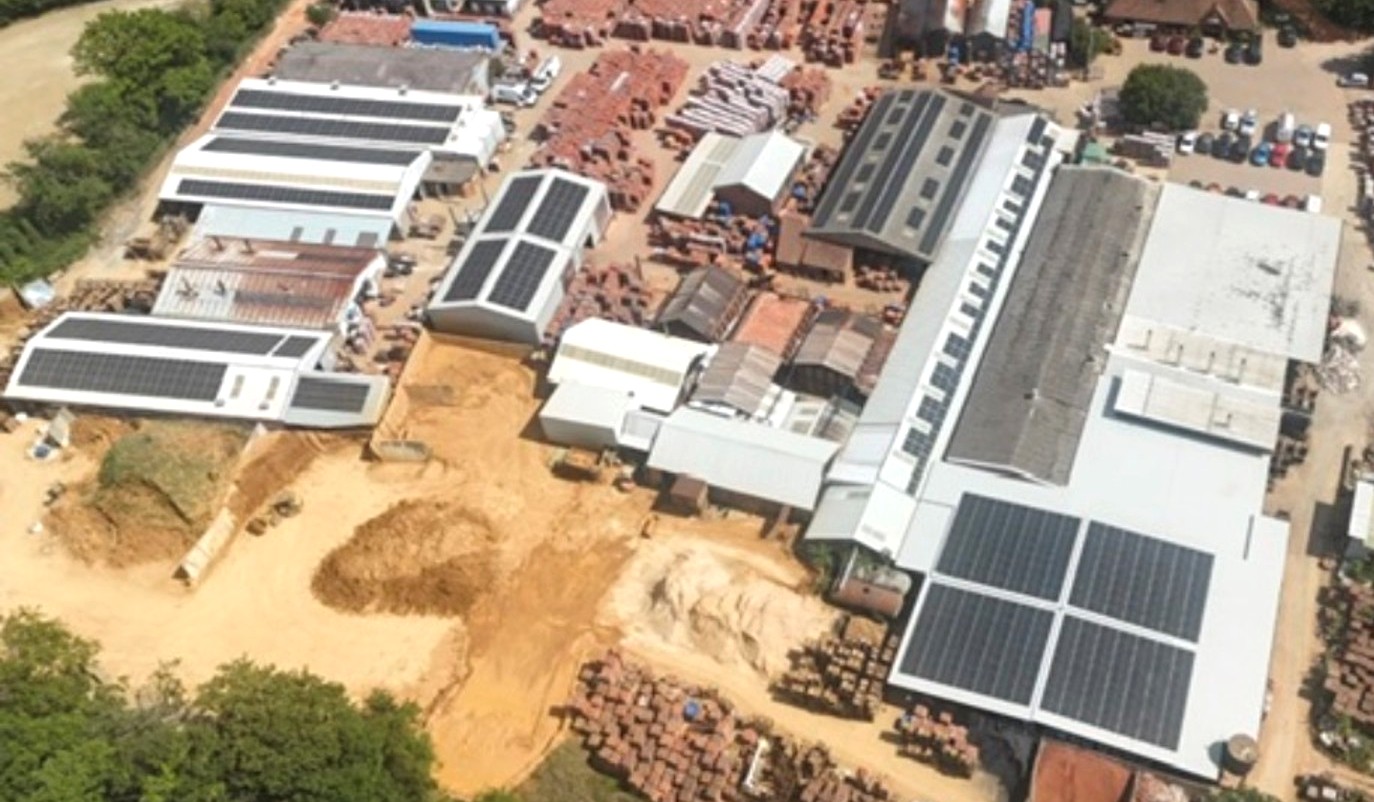
H.G. Matthews: Beyond the EPD
H.G. Matthews' new solar-biomass energy system at The Brickworks, Bellingdon is cutting diesel use and lowering embodied carbon, the latest step in a track record of measurable, verified environmental improvement backed by published EPDs.
Read more