
Data Insights by 2050 Materials: Embodied Emissions of Steel across different countries
The chart from 2050 Materials provides a comparative analysis of embodied emissions for steel products across various countries, measured in A1-A3 emissions per kilogram. The data reveals a broad spectrum of emissions, with significant disparities evident among the nations. Sweden stands out with minimal to zero emissions, showcasing its advanced environmental practices in steel production. Conversely, Austria records the highest emissions, indicating a substantial environmental burden associated with its steel industry.
This variation underscores the differing levels of efficiency and sustainability in steel manufacturing worldwide. Countries like the United States and Norway exhibit lower emissions, reflecting their strides in cleaner production technologies. On the other end of the spectrum, nations such as India and the Netherlands show higher emissions, pointing to a reliance on more carbon-intensive processes. These insights highlight the critical need for global alignment on emission reduction strategies in the steel sector to mitigate its substantial contribution to climate change.
Data gives you superpowers
Want to understand more about the state of the industry, trends, and analyze environmental impacts around construction products? Check out the 2050 Materials platform and reach out to get access to the API.
Related articles
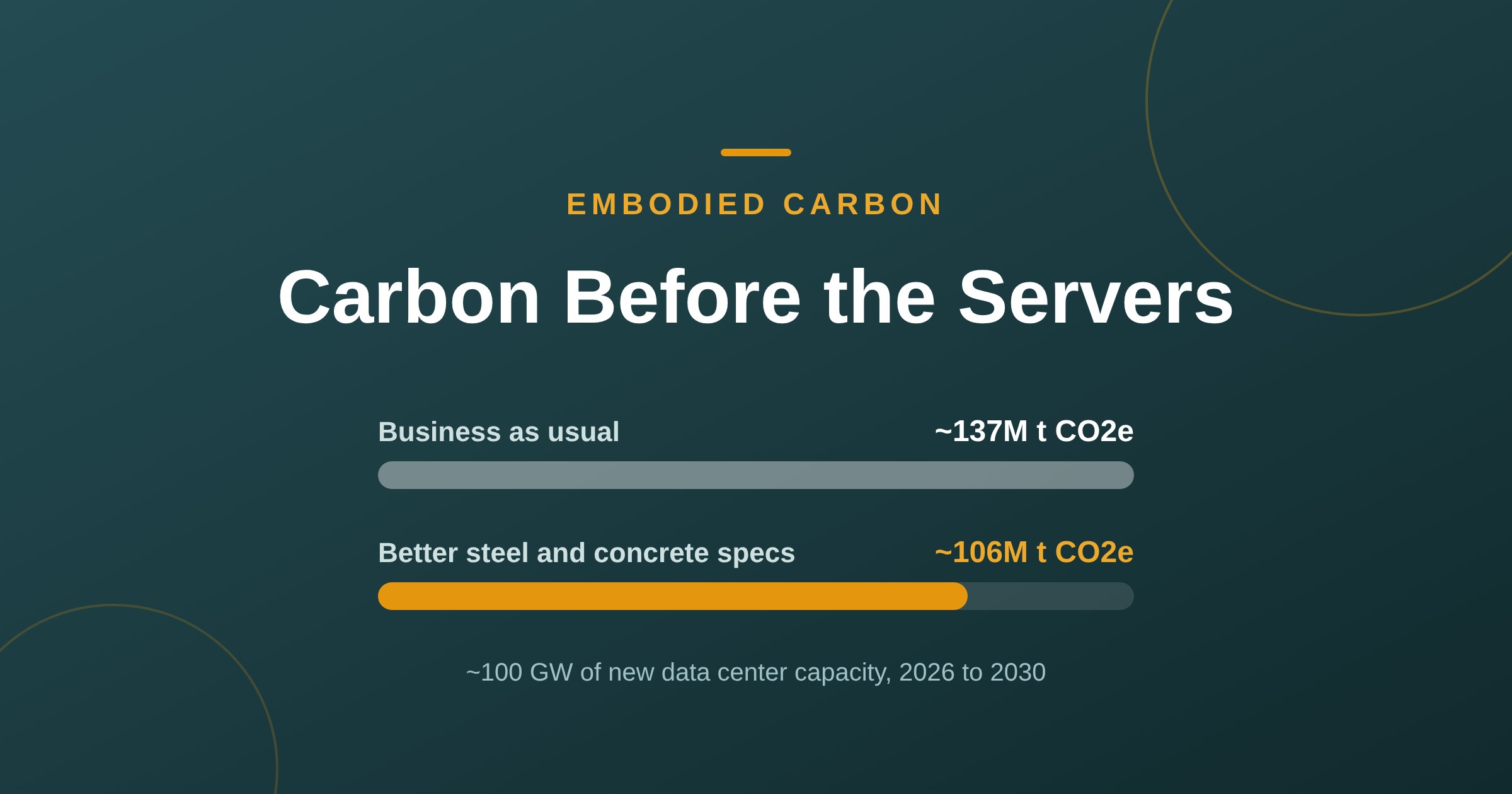
Data Centers’ Hidden 137M-Tonne Carbon Bill
New data centers could lock in ~137M tonnes of CO2e before a single server switches on. GGBS concrete and recycled steel could cut about 31M of it.
Read more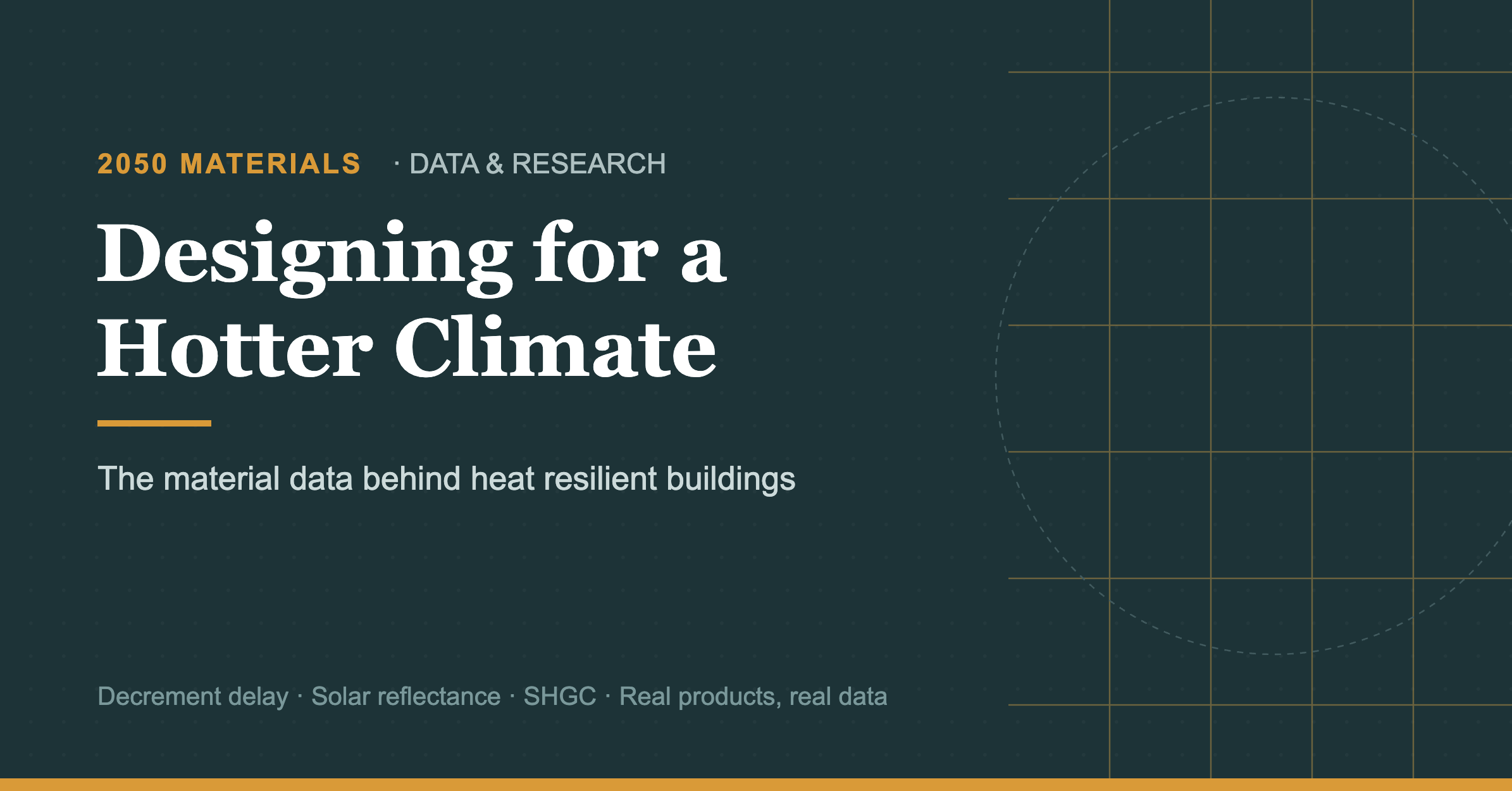
Built to Beat the Heat
This summer's drought wasn't a fluke, it was a preview. Here's the material data that actually decides whether a building shrugs off a heatwave or quietly cooks behind a great winter U value: decrement delay, solar reflectance, SHGC, and the real products behind each one.
Read more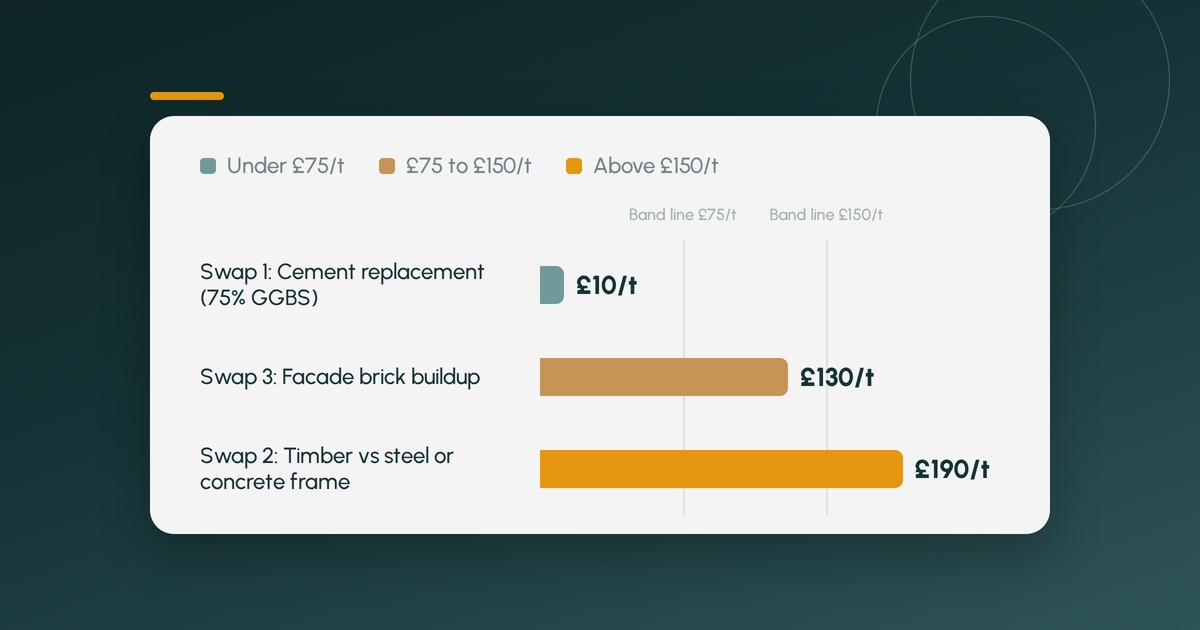
The Cost per Tonne Test for Embodied Carbon Swaps
Not every embodied carbon cut is worth paying for. Test any swap on cost per tonne of CO2e, see which band it falls in, and try the free calculator.
Read more