
Data Insights by 2050 Materials: The Furniture Industry’s Lack of Environmental Information to Drive Decision Making
The graph prepared using data from the 2050 Materials API highlights a telling deficit in the availability of Environmental Product Declarations (EPDs) for furniture, a sector contributing notably to global carbon emissions, especially due to the high frequency of fit-outs in commercial buildings.
The visualization shows a disparate distribution of EPDs across different countries, with a significant concentration in Europe and a few scattered instances in North America and Australia.
Despite the furniture industry’s substantial environmental footprint, the data reveals only 230 EPDs globally, suggesting a significant gap in life cycle assessments (LCAs) for these products.
This paucity of EPDs indicates a broader issue within the industry:
 A lack of comprehensive environmental data to inform sustainable decision-making.
As regulatory pressures and consumer demands for transparency and sustainability intensify, the furniture industry faces an urgent need to enhance its environmental data practices, thereby enabling more informed and eco-conscious choices.
Data gives you superpowers
Want to understand more about the state of the industry, trends, and analyze environmental impacts around construction products? Check out the 2050 Materials platform and reach out to get access to the API.
Related articles

Reading Between the EPD Lines
Two EPDs can report almost the same A1 to A3 carbon figure and still deserve very different levels of trust. Here is how to read the fine print.
Read more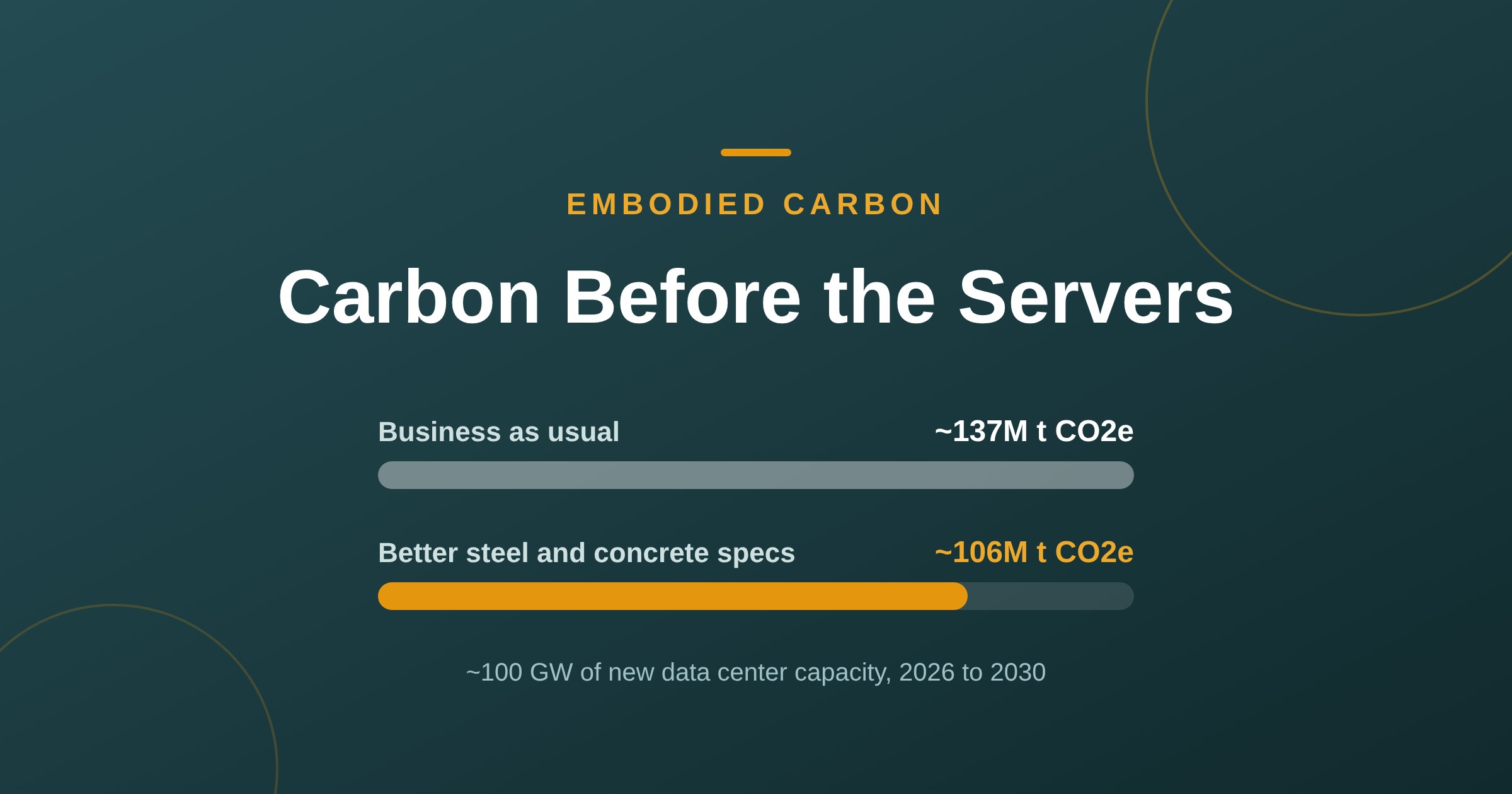
Data Centers’ Hidden 137M-Tonne Carbon Bill
New data centers could lock in ~137M tonnes of CO2e before a single server switches on. GGBS concrete and recycled steel could cut about 31M of it.
Read more
Built to Beat the Heat
This summer's drought wasn't a fluke, it was a preview. Here's the material data that actually decides whether a building shrugs off a heatwave or quietly cooks behind a great winter U value: decrement delay, solar reflectance, SHGC, and the real products behind each one.
Read more