From Generative AI to Re-Generative AI
Disclaimer: The short article below is inspired from Ian Gordon’s Digital Construction Week 2023 presentation named “Data and the Built Environment”, and focuses on how AI can transform the Built Environment for societal good
Towards the Benign Application of Data and AI
We are at an inflection point. Generative AI is incredibly fun to experiment with, whether it’s to write poems in the voice of your favourite writer, or to generate an oil painting of an architect looking towards their finished project.
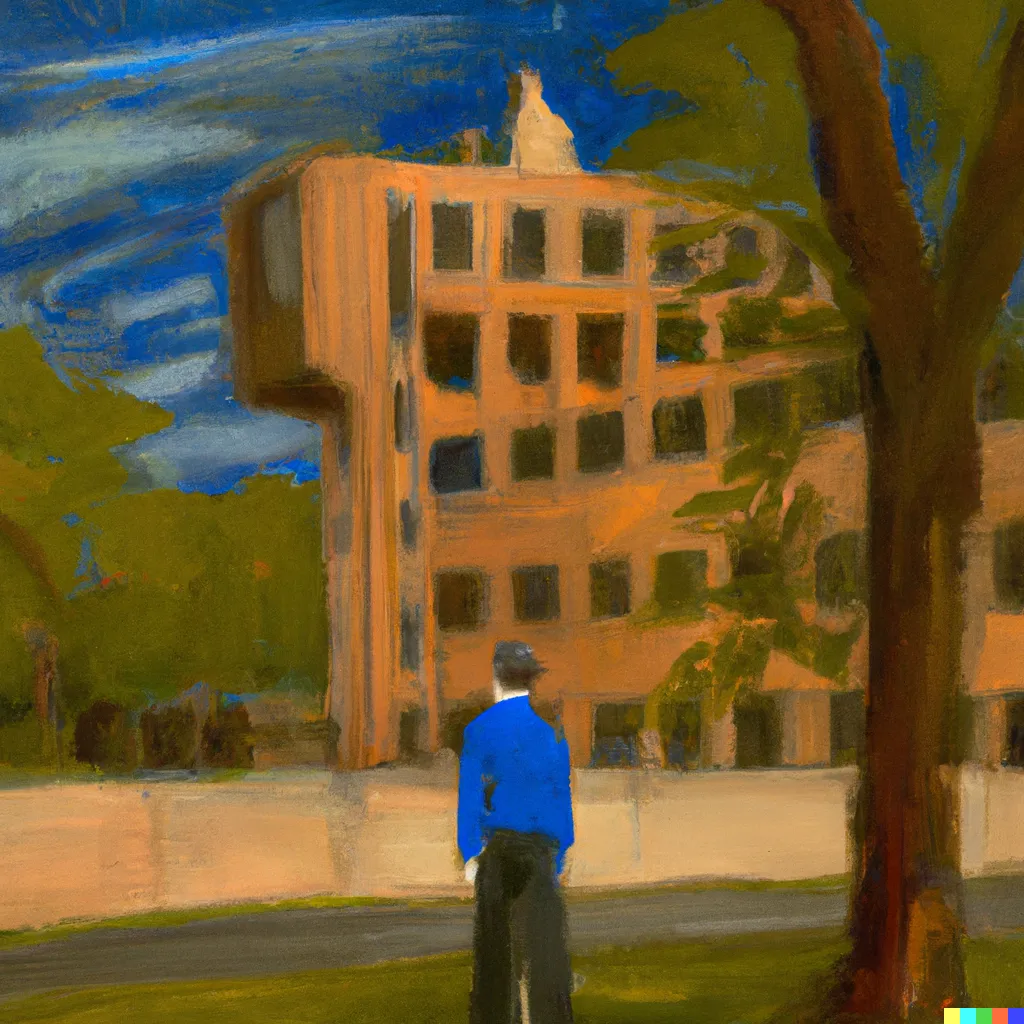
Generated with DALL-E, prompt: “An oil painting of an architect from far away wearing a blue french worker jacket and looking towards a tall Frank Lloyd Wright building”
But AI can be more than just a fun way to kill time. It can be a driving force to regenerate our environment. How?
By aligning AI’s reward function with societal outcomes. Imagine an AI system that sorts through mounds of data to find the most sustainable materials for construction or to reduce energy consumption.
It’s like a turbo-charged brain for our ‘system of systems,’ processing real-time data to make instant decisions for the betterment of society.
 Reach out to us at 2050 Materials to find out more about how we’re applying AI to tackle the issue of sustainable materials in the industry.
Using AI to Correct for Our Biases
Let’s face it, humans are biased. We often make decisions based on emotion, not logic. While AI is not immune to biases (it learns from us, after all), it has the advantage of consistency. Once properly programmed and trained, AI can make quick, non-emotive, and scalable decisions.
Built environment biases that AI can help with
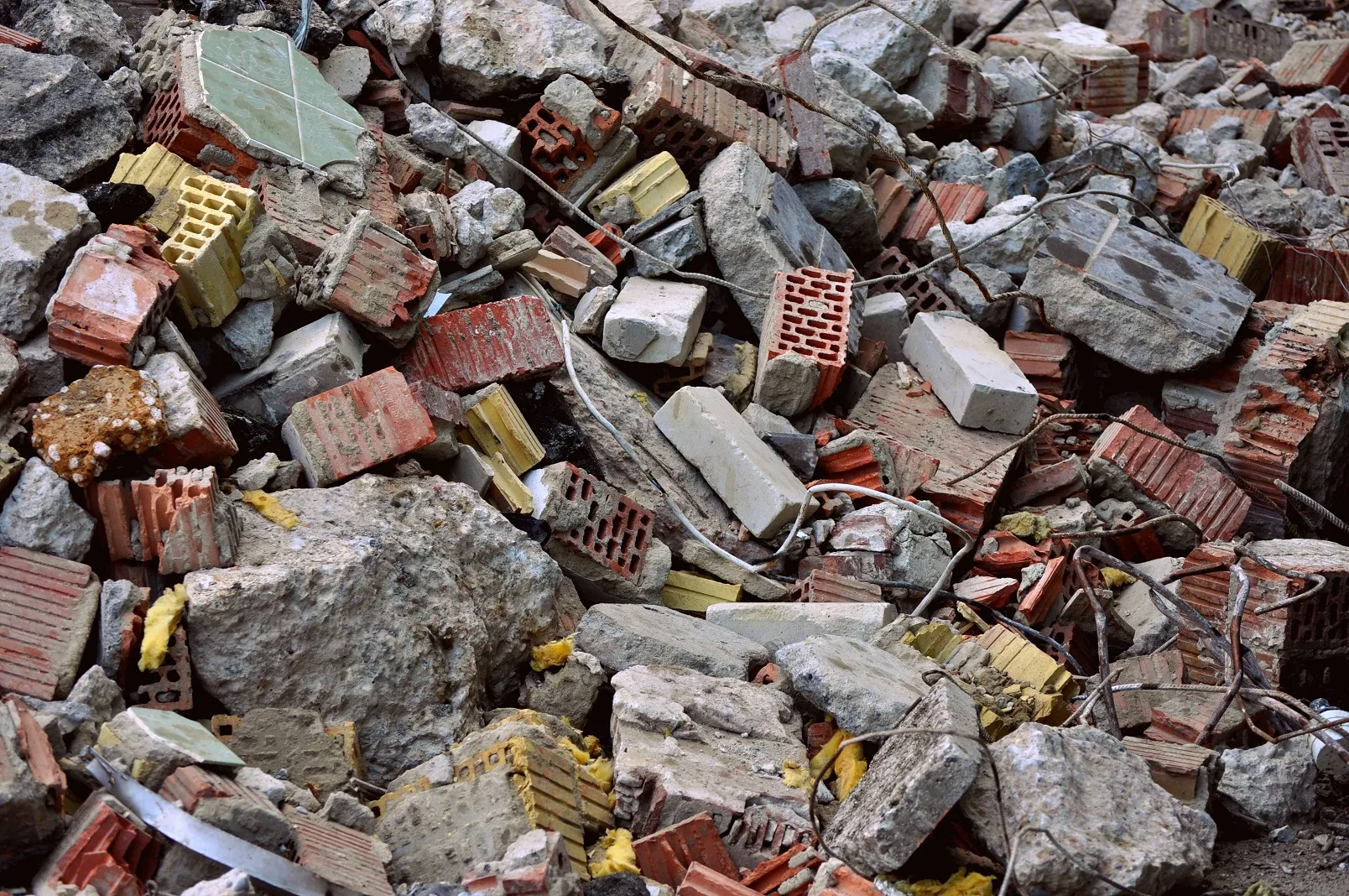
An example is AI identifying wasteful practices in construction projects or energy consumption patterns that could be streamlined.
Check-out the work of QFlow to see how they’re applying technology to solve the waste problem in the built environment.
Unlocking Information Resources
Data is the new gold, and the built environment is a goldmine of untapped data. From construction materials to urban traffic flows, the sheer volume of information is overwhelming.
Here’s where AI comes into play
By synthesizing all this data, it can offer insights that were previously unthinkable. Need to find the best energy-saving solution for a building complex? Or how to make a construction project more eco-friendly? AI (could) have you covered.
Engaging with Heuristics
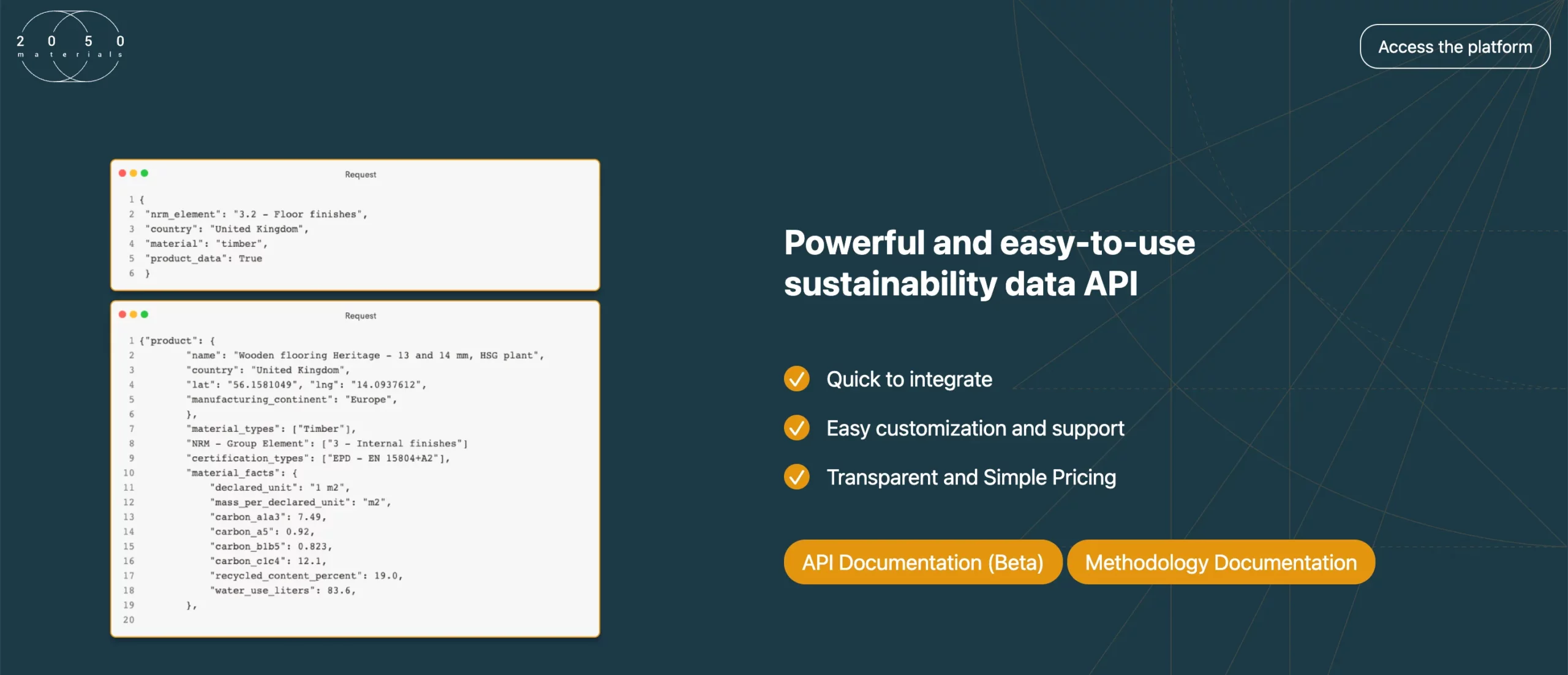
Gone are the days when data science was limited to charts and graphs. Generative AI has the capability to engage in a conversation with Subject Matter Experts (SMEs).
Need advice on whether a particular construction material is sustainable or not? Ask the AI. It can reason through heuristics, providing nuanced solutions that can be quickly implemented.
Closing thoughts
Generative AI has the potential to transform from a mere tool to a full-fledged partner in regenerating our built environment. By correcting for biases, unlocking vast information resources, and engaging with professionals in a more interactive way, we’re looking at a smarter, more sustainable future.
For all digital professionals in the built environment, the message is clear:
It’s time to stop viewing AI as a threat or a gimmick and start embracing its potential for societal good.
Reach out
If you would like to find out more about our work, visit our website, or reach out at info@2050-materials.com
Related articles
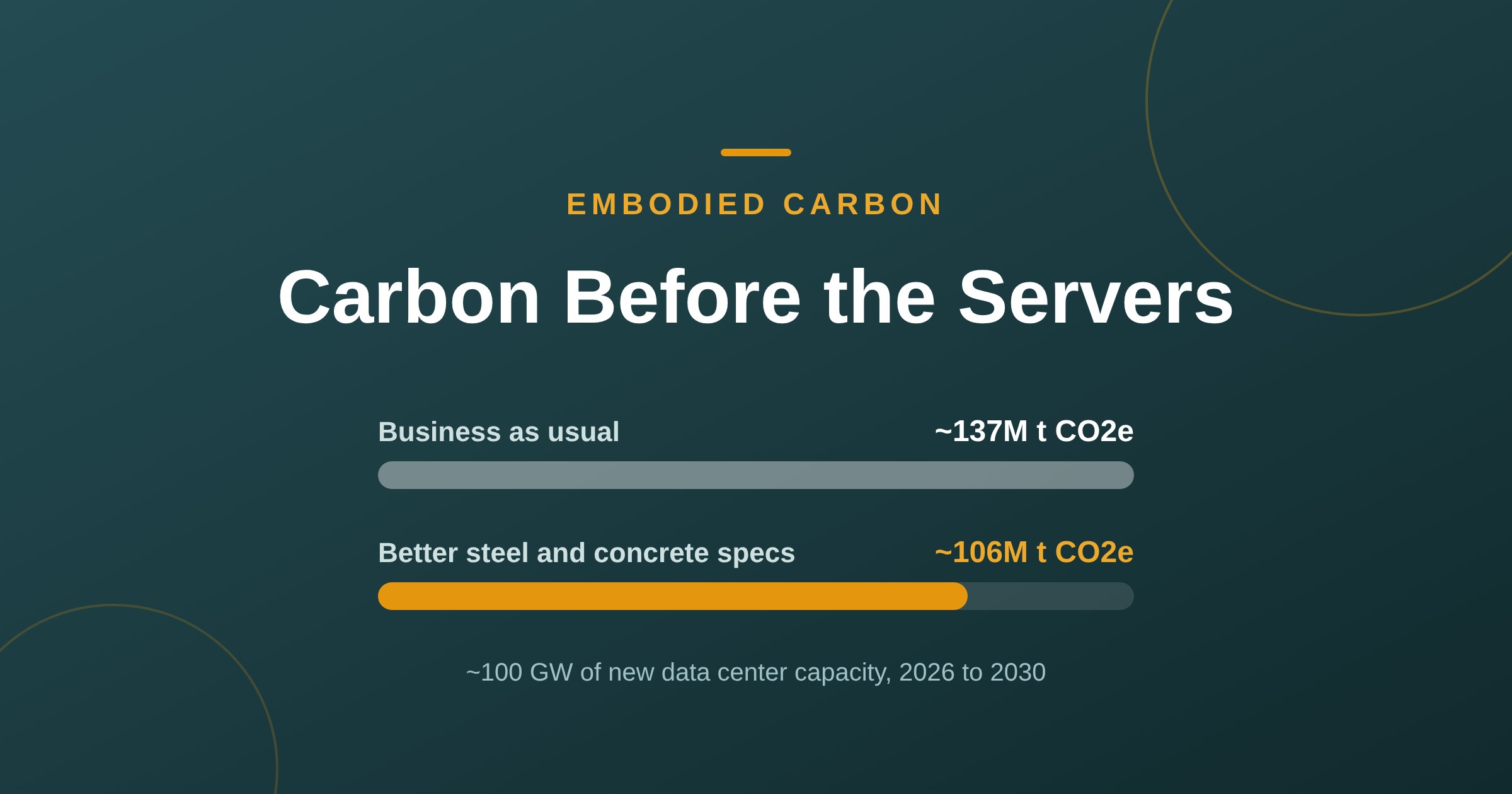
Data Centers’ Hidden 137M-Tonne Carbon Bill
New data centers could lock in ~137M tonnes of CO2e before a single server switches on. GGBS concrete and recycled steel could cut about 31M of it.
Read more
Built to Beat the Heat
This summer's drought wasn't a fluke, it was a preview. Here's the material data that actually decides whether a building shrugs off a heatwave or quietly cooks behind a great winter U value: decrement delay, solar reflectance, SHGC, and the real products behind each one.
Read more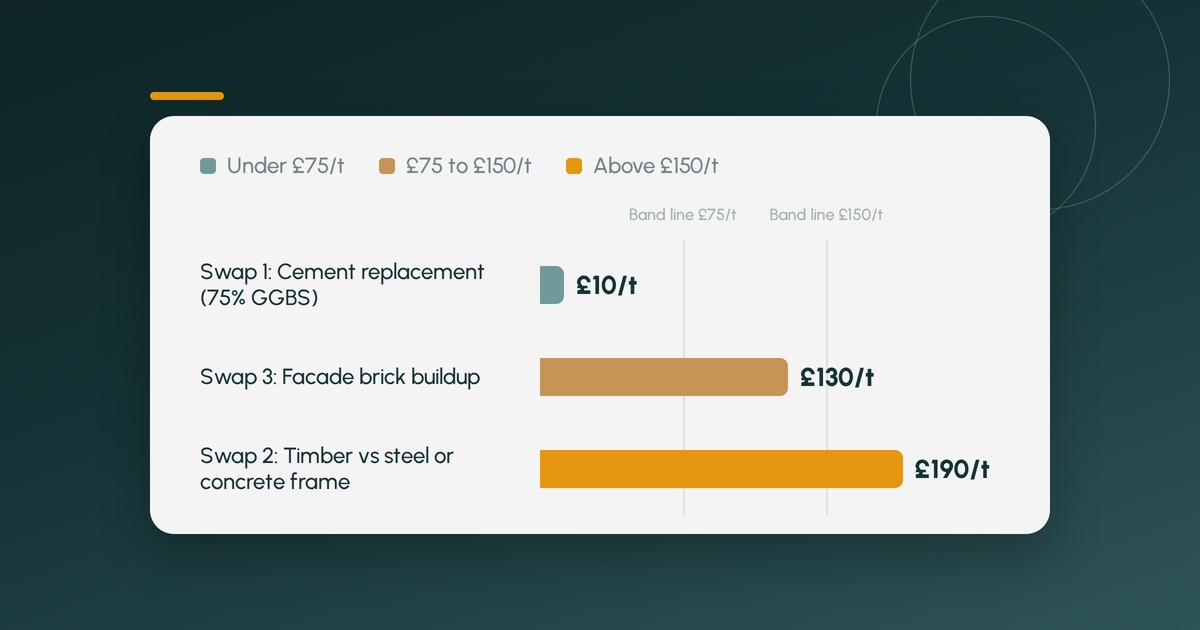
The Cost per Tonne Test for Embodied Carbon Swaps
Not every embodied carbon cut is worth paying for. Test any swap on cost per tonne of CO2e, see which band it falls in, and try the free calculator.
Read more