H.G. Matthews Brings Transparency to Brickmaking

Introducing H.G. Matthews, a century‑old British brickmaker combining craft with environmental accountability.
Most product stories celebrate heritage and aesthetics. We love those too, but transparency is the new benchmark for sustainable materials. H.G. Matthews has long understood this. Historically, the brick industry relied upon broad, generic EPDs that offered only an average picture of environmental impact.
H.G. Matthews, one of the few remaining family businesses manufacturing bricks in the UK, is now changing that. They have created one of the first individual, product-specific EPD suites in the UK brick sector, moving beyond generic datasets to provide accurate, verifiable numbers for their own materials.
Today, we’re excited to share how H.G. Matthews is setting a new standard with three independently verified Environmental Product Declarations (EPDs) that turn claims into measurable facts.
Their range of products include:
- Handmade bricks: characterful finishes with quantified impacts for conservation and contemporary applications
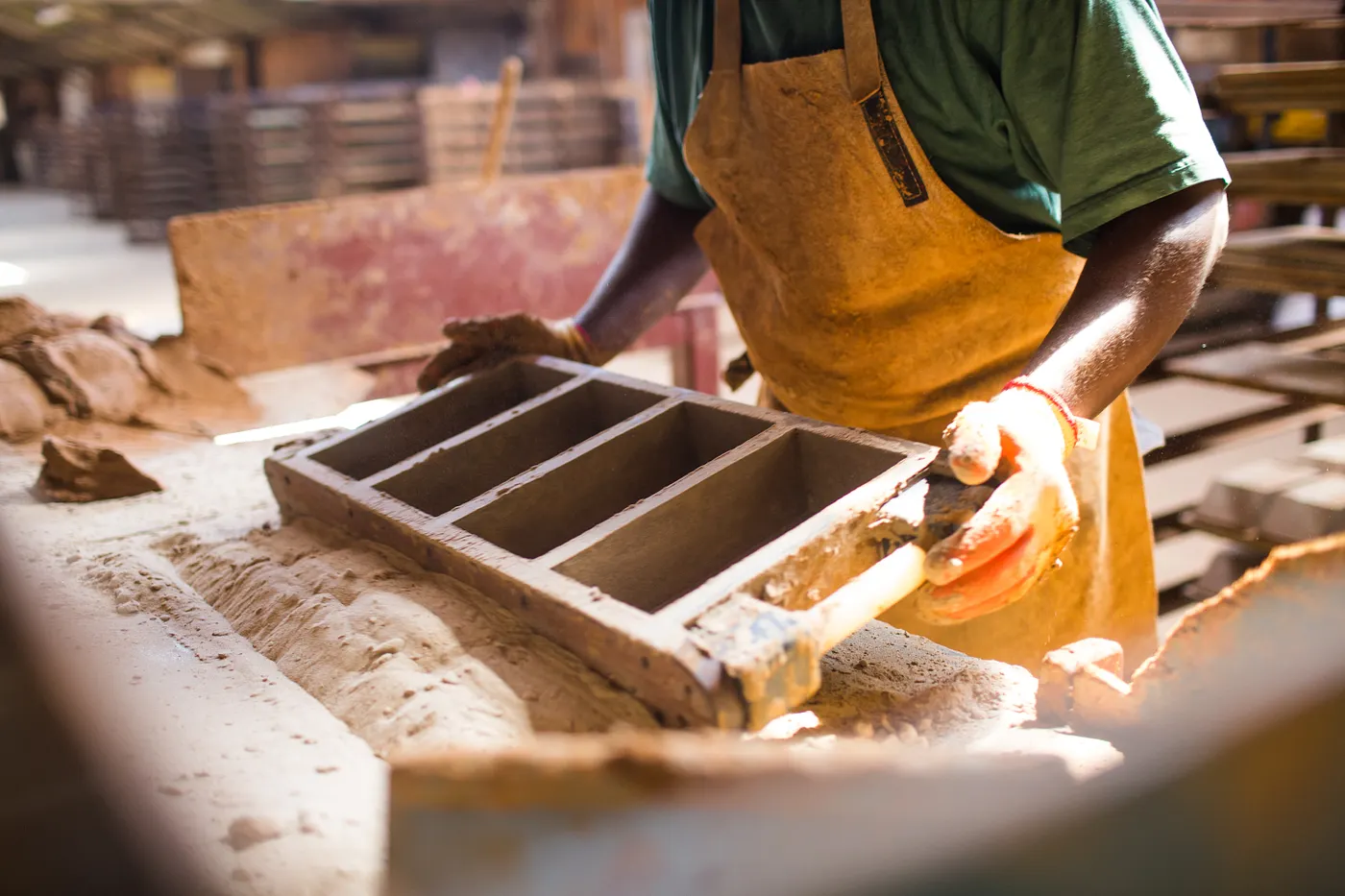
- Machine-made bricks: consistent dimensional performance, verified manufacturing energy profiles and stable supply

- Wood-fired bricks: distinctive tones from renewable wood-fired kilns, with documented energy inputs and emissions
Local materials, lower hidden impacts
H.G. Matthews pairs material tradition with clear climate logic:
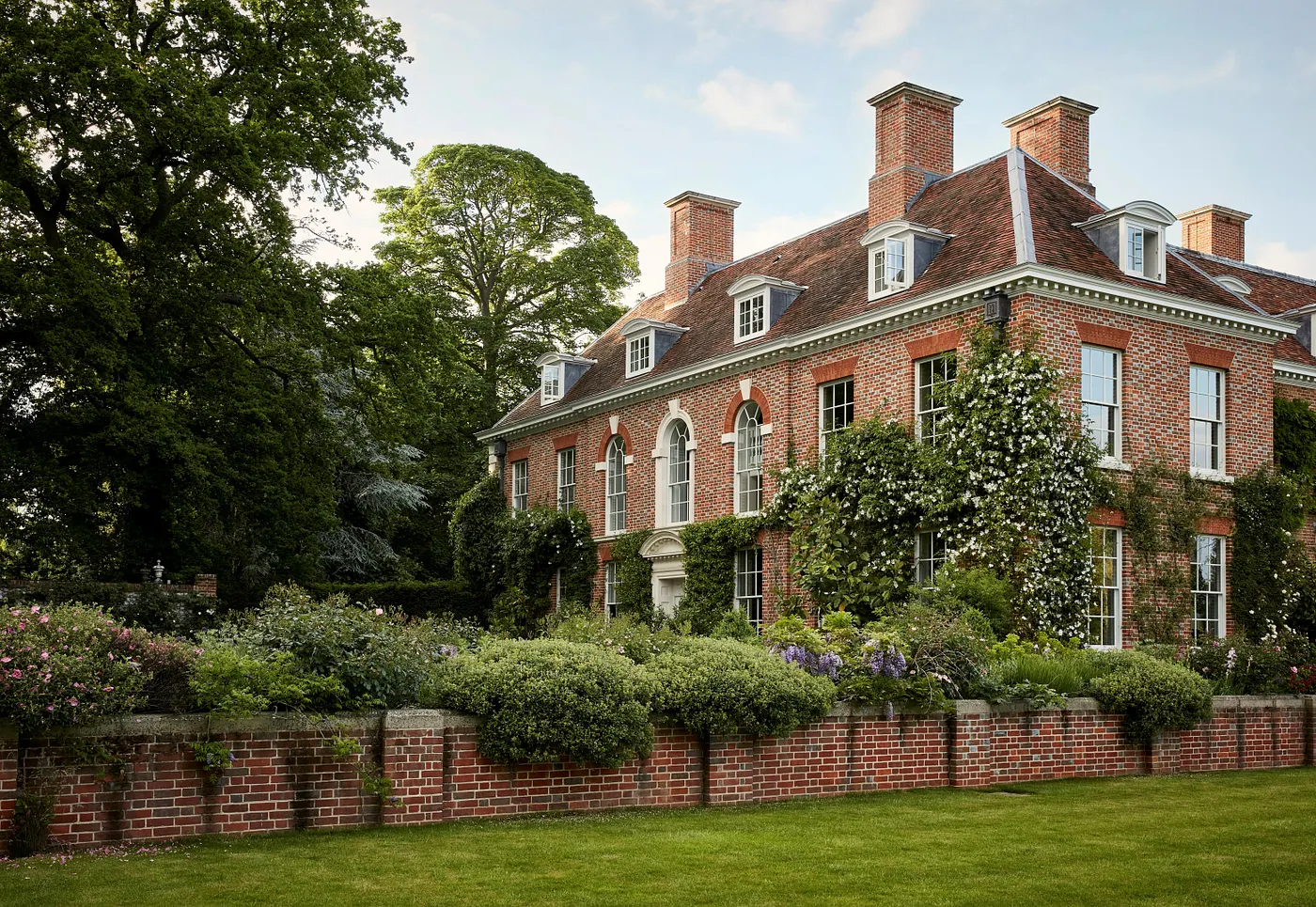
- Locally sourced clay reduces transport burdens and strengthens supply resilience
- Wood-fired kilns leverage a renewable energy source, cutting reliance on fossil fuels and supporting a lower-carbon energy mix over time. These choices are quantified in the EPDs, turning regional sourcing and energy strategy into documented impact reductions.
Three New EPDs: measurable impact, not marketing
H.G. Matthews has released 3 independently verified EPDs covering its core product lines: handmade, machine-made and wood-fired bricks. Each EPD makes the underlying data visible, so specifiers can compare like-for-like, justify selections and report with confidence.
What you’ll find inside each EPD:
- Declared Unit & RSL: FU 1 t, reference service life 150 years, enabling like-for-like comparisons
- System Boundaries: Cradle-to-gate with options A1–A3, A4, C1–C4 and Module D declared
- Transport Scenario (A4): modelled at 35 km by >32 t EURO 6 lorry with 53.3% load factor
- End-of-Life Modelling: 74% mass to recycling, 26% to landfill; Module D credits assume substitution of 740 kg of gravel
- Impact Indicators: full EN 15804+A2 set (e.g., GWP, AP, EP, ODP, ADP) reported per module
Below is an overview of the products featured which you can find on the 2050 Materials Platform.
1- Oil/Anthracite‑Fired Bricks
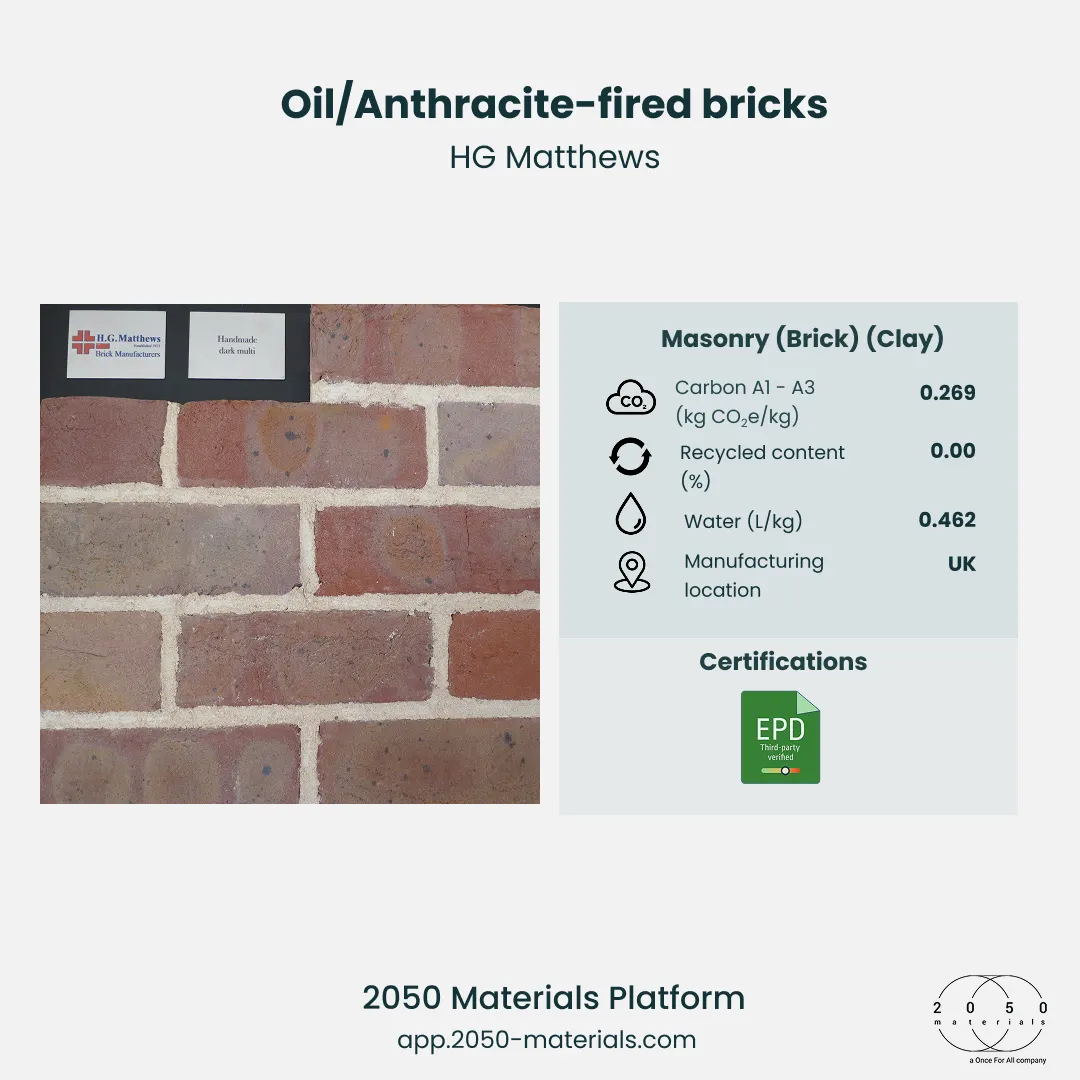
Clay masonry bricks have long underpinned the built environment. Their inherent strength, high thermal mass and natural fire resistance make them a dependable material for walls, façades and paving. Beyond structural performance, bricks contribute lasting visual character and require minimal maintenance over their long service life. As a material drawn directly from the ground and engineered for longevity, clay brickwork remains a resilient, low-tech and resource-efficient choice across residential, commercial and civic buildings.
Learn more about Oil/Anthracite‑fired bricks by visiting our platform.
2- Wood‑Fired Bricks
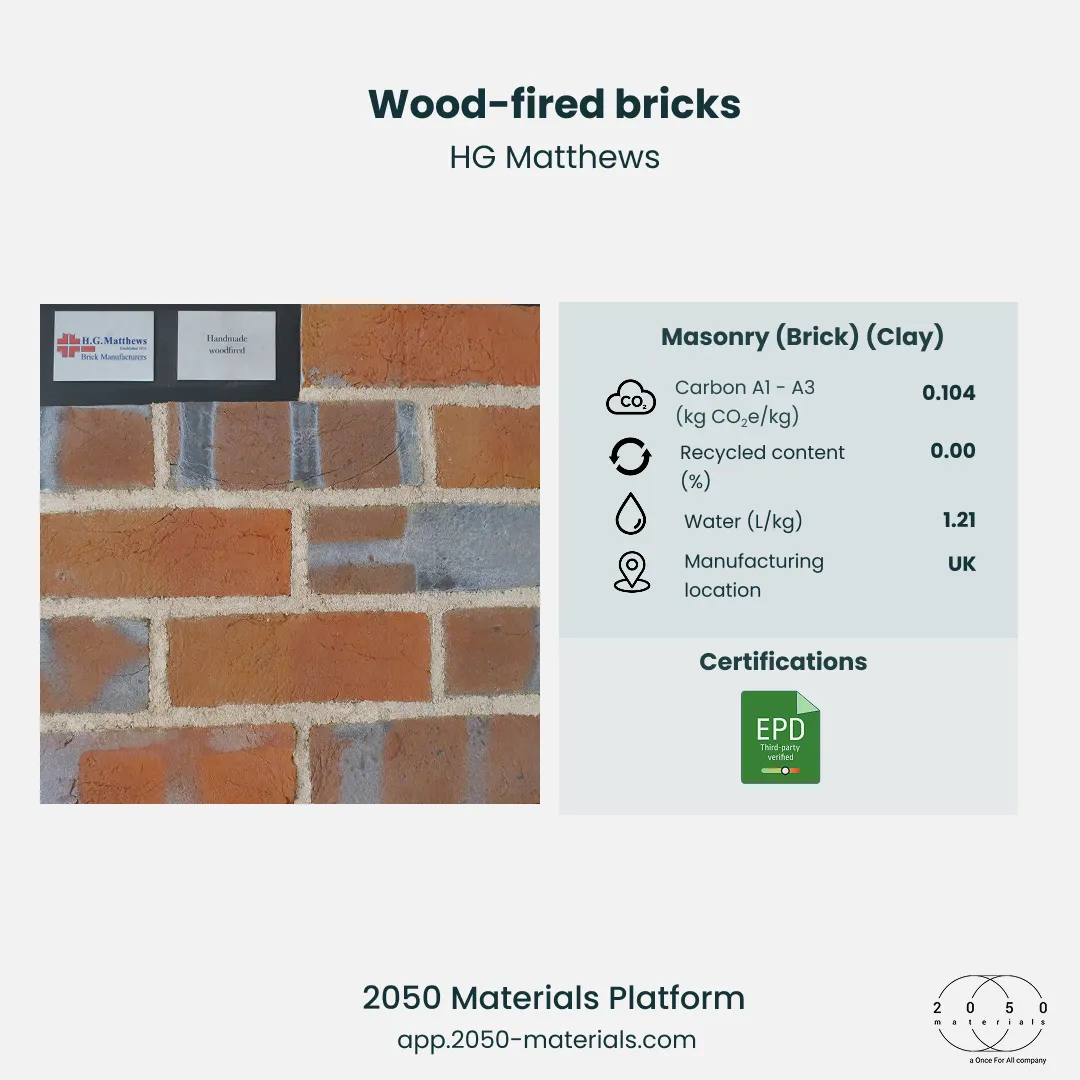
Until the railways enabled the distribution of coal, many areas relied solely on wood for firing bricks. Wood firing alone produces the natural glazes often seen on buildings pre-dating the mid 19th century. Contemporary wood-fired bricks are the ideal choice for authentic conservation work as well as new builds seeking to replicate the beauty of the past. All the wood that H.G. Matthews uses for the kilns is sourced from sustainably managed woodland within the UK.
Learn more about Wood‑fired bricks by visiting our platform.
3- STROCKS™: Unfired Earth Blocks
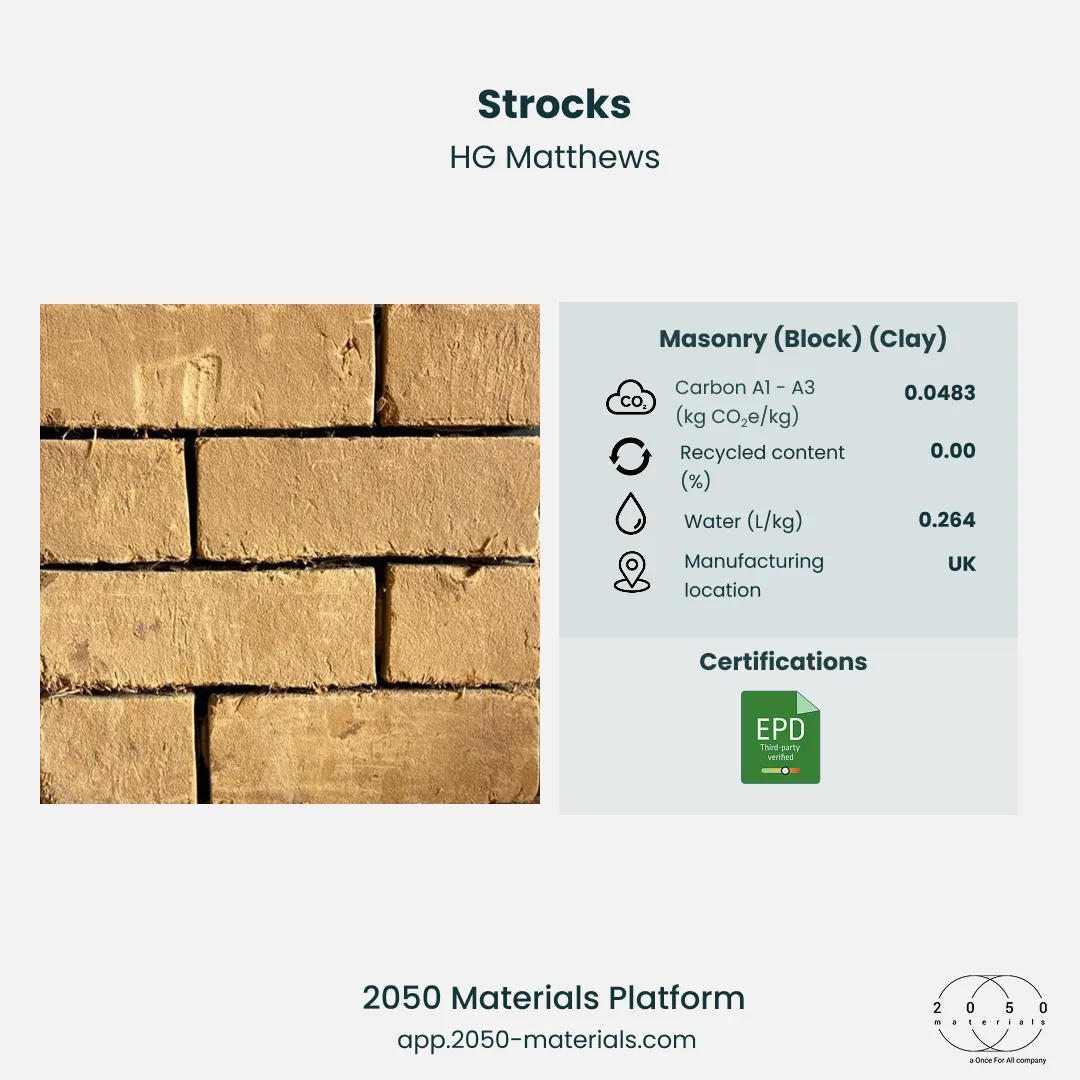
STROCKS™ earth blocks demonstrate how traditional materials can deliver modern sustainability performance. Made from clay-rich earth mixed with chopped straw and, crucially, unfired, they eliminate the energy and emissions associated with kiln production. These blocks are strong enough to support structures up to three storeys high, creating robust, homogenous walls when paired with thin-bed clay mortar. Their high thermal mass stores warmth during the day and releases it at night, while their natural hygroscopic properties help regulate indoor humidity at around 50%, contributing to healthier, more stable interior environments. STROCKS™ show how regenerative materials can combine structural integrity with meaningful reductions in embodied carbon.
Learn more about STROCKS™ by visiting our platform.
Technical Integrity: Performance you can Measure
The industry often talks about “green” products, but without transparent data sustainability remains a claim, not a fact. For today’s architects, engineers and developers, understanding the true life-cycle impact of materials is essential to meeting project targets, planning-compliant documentation and avoiding hidden risks.
With H.G. Matthews you can:
- Verify embodied carbon at each stage, not just a headline number
- Align with planning and ESG requirements using third-party-checked LCA data
- Balance heritage, performance and climate goals without guesswork
Life-Cycle/Embodied Carbon Implications
H.G. Matthews’ range of clay and earth-based products illustrates how manufacturing decisions directly shape a material’s environmental footprint.
The company’s verified Environmental Product Declarations reveal the scale of difference between firing methods and material types:
- Oil/anthracite-fired bricks: ≈ 98.5 kg CO₂e per m² of wall
- Wood-fired bricks: ≈ 18.8 kg CO₂e per m² of wall
- STROCKS™ unfired earth blocks: ≈ 15.2 kg CO₂e per m² of wall
Each value accounts for the number and weight of units per square metre and includes all life-cycle stages up to disposal (A1–C4).
All three products share a declared service life of 150 years, resulting in an annualised embodied carbon of:
- Oil-fired bricks: ≈ 0.66 kg CO₂e /m²/year
- Wood-fired bricks: ≈ 0.13 kg CO₂e /m²/year
- STROCKS™ blocks: ≈ 0.10 kg CO₂e /m²/year
Together, these results highlight how process innovation, whether replacing fossil fuels with biomass or eliminating firing altogether, translates directly into meaningful reductions in whole-life carbon.
Material Choice in Action
Switching from oil-fired → wood-fired bricks reduces embodied emissions by ≈ 79.7 kg CO₂e per m², roughly equivalent to avoiding ~320 km of car travel.
Choosing STROCKS™ unfired earth blocks cuts emissions even further, reducing carbon by ≈ 83.3 kg CO₂e per m², equal to avoiding ~333 km of driving.
Building at Scale
On 200 m² of masonry:
- Wood-fired vs oil-fired bricks: ≈ 15.9 tonnes CO₂e saved
- STROCKS™ vs oil-fired bricks: ≈ 16.7 tonnes CO₂e saved
That’s comparable to the annual emissions of three average UK cars, achieved purely through a change in masonry selection.
Long-term impact
With a service life of 150 years or more, H.G. Matthews’ bricks deliver durability and climate performance in tandem, spreading their modest embodied carbon over generations of use. This longevity supports regenerative, low-carbon masonry strategies, where maintenance cycles, replacement rates and end-of-life pathways are planned and measured from the start.
Leading the transparency movement
H.G. Matthews shows how traditional craft can lead the transparency revolution in building materials. By embedding independently verified EPDs across their range, they give project teams the confidence to specify by data, not just by description.
Through 2050 Materials, you can explore, compare and verify each product’s performance interactively, using consistent metadata and ready-to-use LCA fields for your workflows.
Explore H.G. Matthews’ verified product data on the 2050 Materials platform and build transparency into your next project.
Related articles
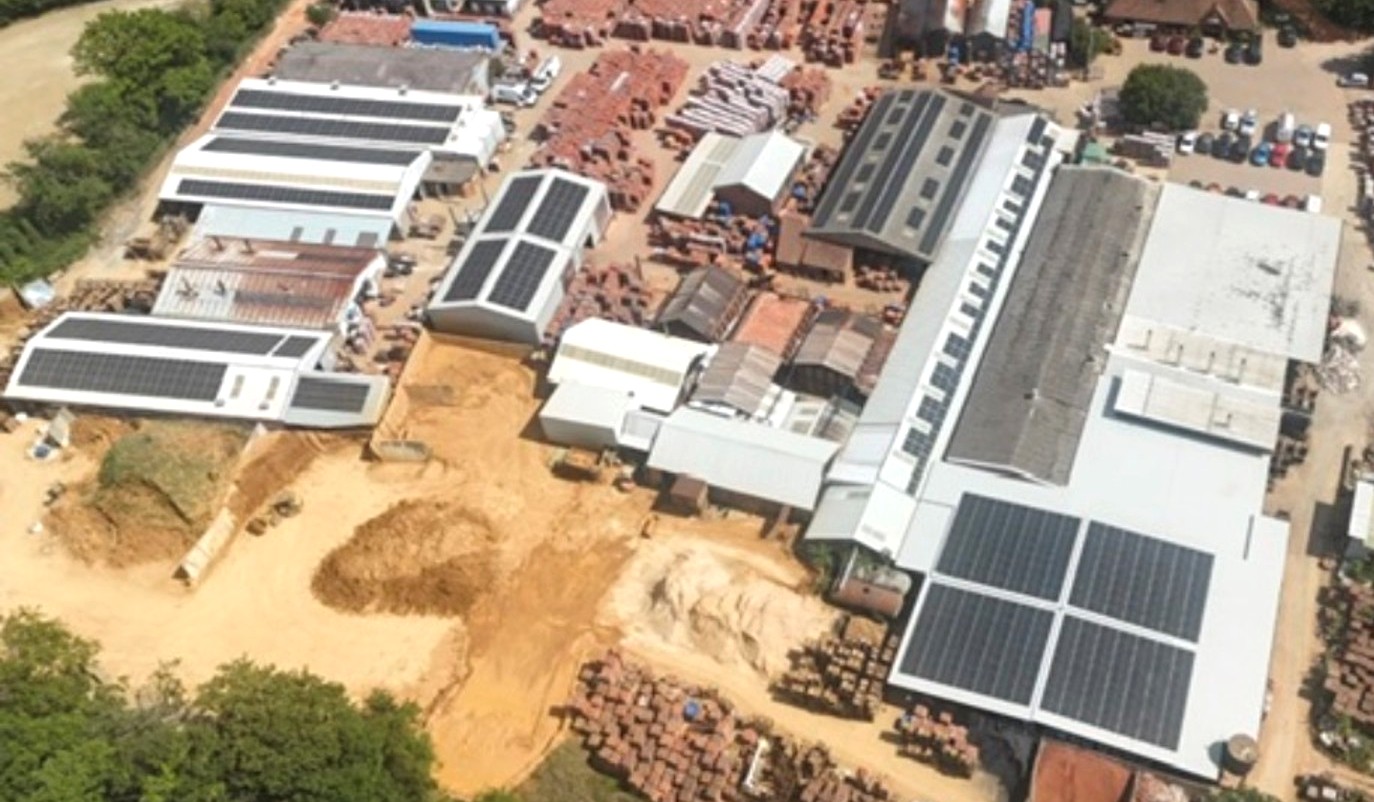
H.G. Matthews: Beyond the EPD
H.G. Matthews' new solar-biomass energy system at The Brickworks, Bellingdon is cutting diesel use and lowering embodied carbon, the latest step in a track record of measurable, verified environmental improvement backed by published EPDs.
Read more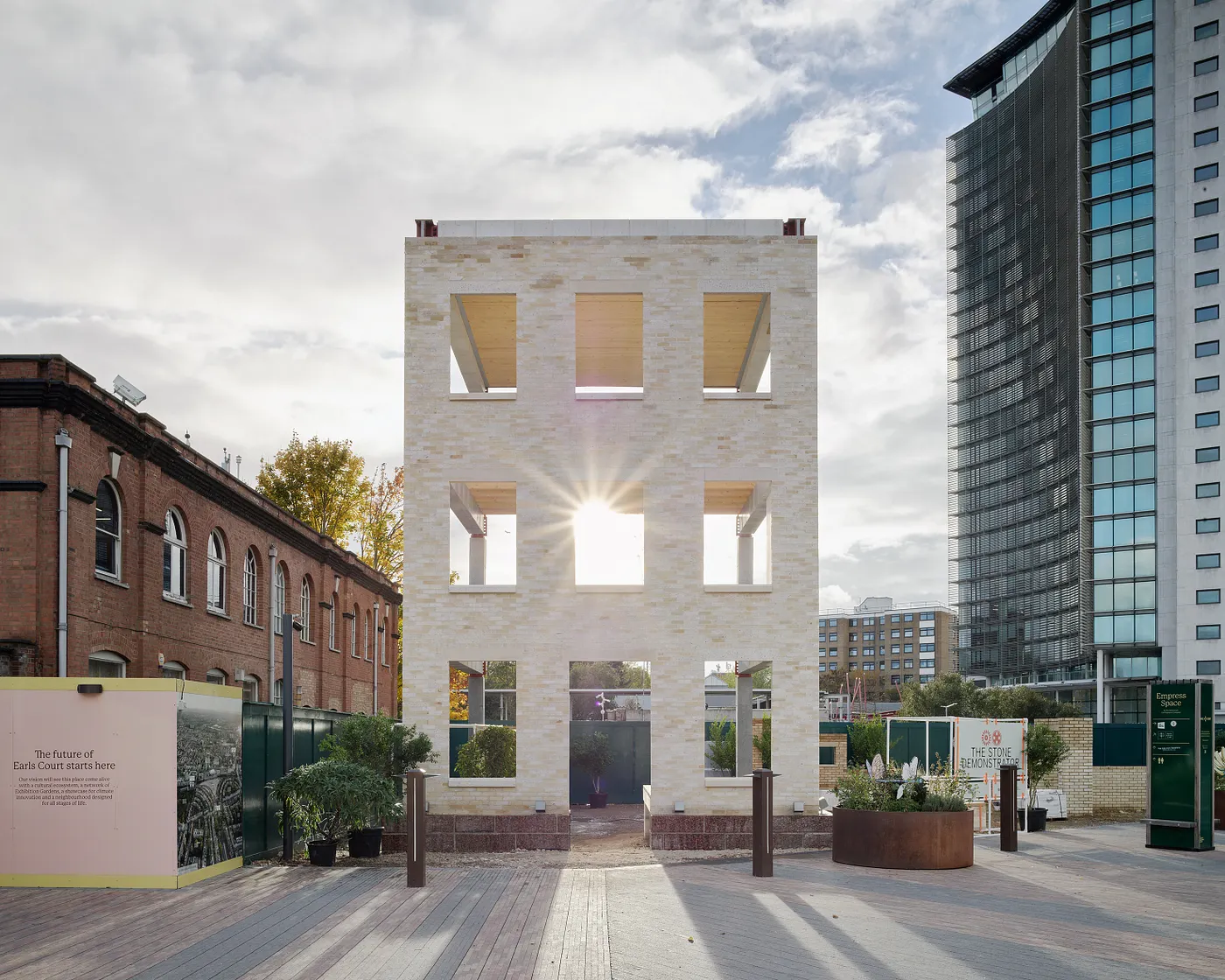
Hutton Stone and the Stone Demonstrator: Building the Case for Structural Stone
Hutton Stone contributes to the Stone Demonstrator, showcasing how structural stone can reduce embodied carbon while rethinking modern construction systems.
Read more
The 2026 Surface Revolution: A Global Briefing
Bans, tariffs, and billion-dollar verdicts are reshaping the surfacing industry. Here's what designers and fabricators need to know about the 2026 shift away from high-silica engineered stone.
Read more