Let’s be honest: Why every manufacturer needs to embrace transparency
Are You Prepared for Transparency in Your Manufacturing Operations?
What exactly does transparency entail in relation to manufacturing processes?
Transparency is all about providing access to the company’s inner workings. In real terms, it refers to having all the information available and accessible that is necessary for teamwork and collective management decision-making. It entails disclosure of in-depth information about the processes, materials and impacts related to each product, to enable decision making and uncover areas for improvement.
Is transparency relevant in the built environment?
Material transparency allows building professionals to research hidden product impacts like embodied carbon, toxic ingredients or byproducts, and social responsibility in the supply chain.
Why transparency is critical to tackle climate change
Transparency is key to tackling the climate emergency when it comes to actions and policies related to the environment.
 If you can’t measure it, you can’t manage it
One of the main components of sustainable, risk-informed development is continual capacity building of organisations and individuals. Having access to data and information enables everyone, from members of the general public to senior government officials, to make better decisions.
So why is climate action so dependent on climate transparency?
In a nutshell, making informed decisions becomes possible with the use of current and trustworthy scientific climatic data.
Why trust and brand transparency go hand in hand

Building a strong brand requires two crucial, interrelated elements: brand transparency and trust. Without trust, you’ll never persuade your audience to pick your product over one from a more reputable rival. Your clients won’t take the chance of giving an unfamiliar company the benefit of the doubt if there isn’t brand transparency.
“Transparency Is No Longer An Option; It’s A Must” — Forbes Magazine
Approximately 94% of customers are more likely to stick with a brand that practices good transparency. Would you rather trust someone with your money who occasionally makes a mistake and owns up to it or someone who tries to brush all of their issues under the rug? Brand transparency and trust may increase your revenues in a number of ways when handled effectively. Transparency not only helps you convert more leads, but it also ensures that your current clients and consumers stick around for a lot longer.
Transparency is more than just a trademark
Consumers are prepared to pay 2% to 10% extra for items that offer transparency, according to a study by the MIT Sloan School of Management. Being open with your clients will increase their respect and trust. Patagonia is a fantastic illustration of a business that has increased client trust by living according to its ideals.
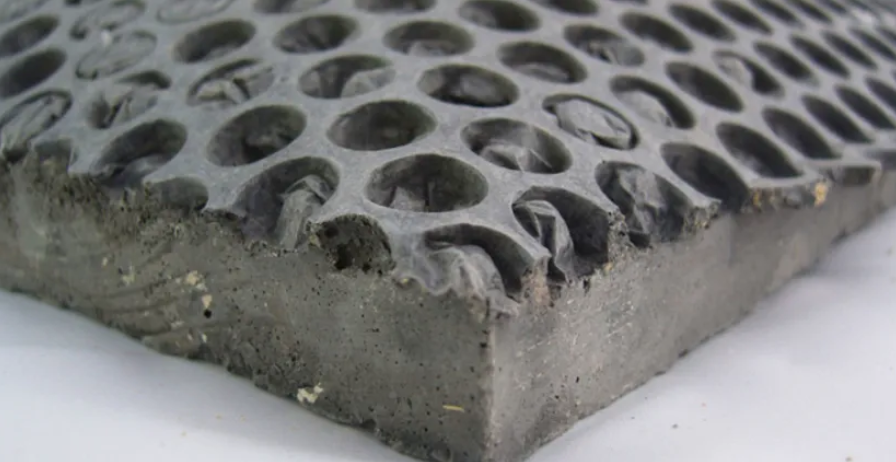
Can you guess what this is made of…?
How can you become more transparent?
What should you make available for your clients?
Manufacturers may release many types of documents in order to facilitate transparency. Common documents include:
- Environmental product declarations (EPDs), which show the environmental impacts of producing and disposing of a product
- Health product declarations (HPDs), which disclose ingredients and their toxicity profiles
- Corporate sustainability reports, which look at the overall environmental impacts of a whole company
How can you centralise that information for your clients?
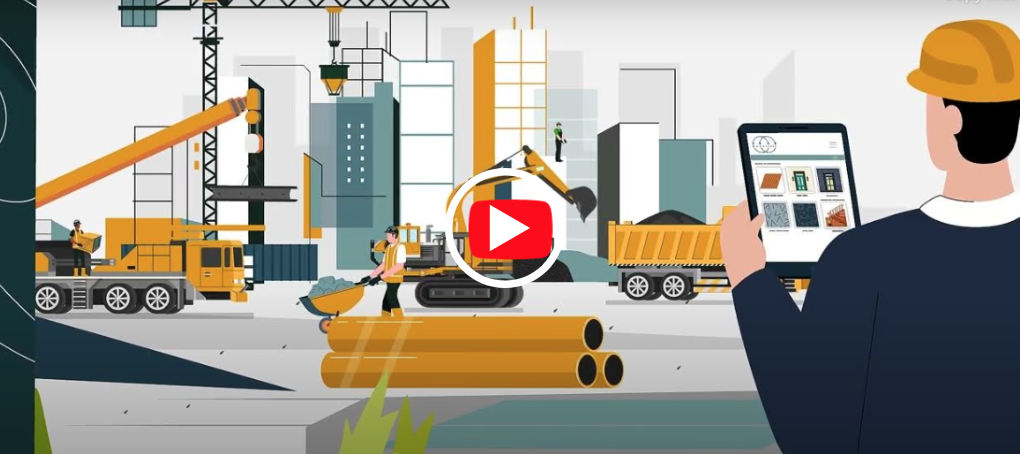
As the world is transitioning to a net-zero future, manufacturers can embrace the change and align their product data with the processes of net-zero construction.
At 2050 Materials, we partner with the best manufacturers to get their products in front of more specifiers designing for a transparent and net-zero world.
Visit our platform or reach out to us on info@2050-materials.com to find out more.
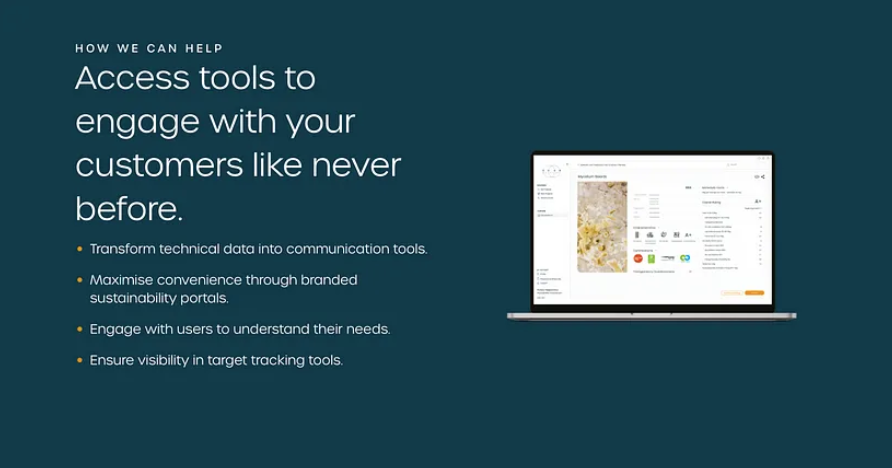
Find out more about 2050 Materials

Related articles
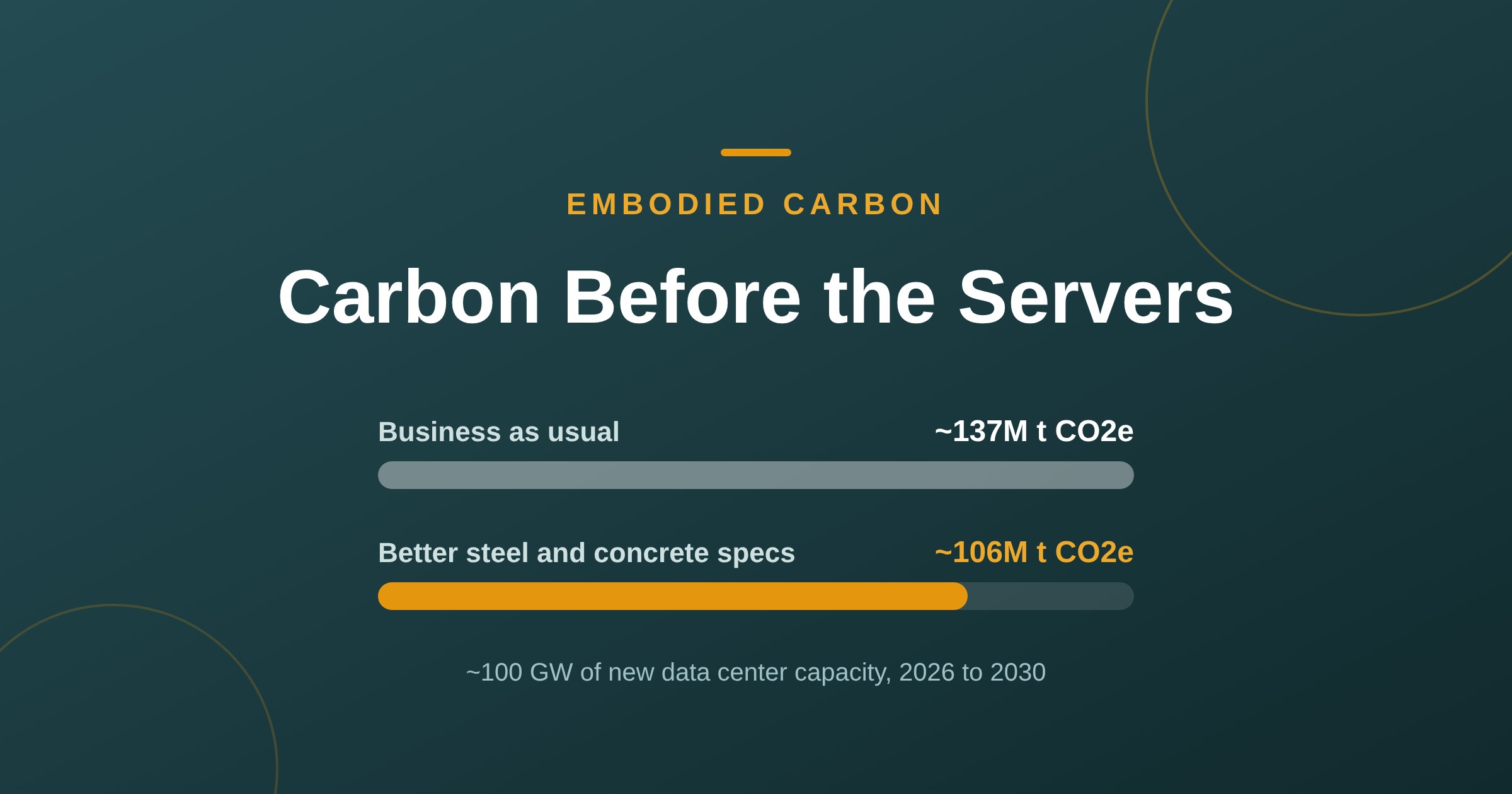
Data Centers’ Hidden 137M-Tonne Carbon Bill
New data centers could lock in ~137M tonnes of CO2e before a single server switches on. GGBS concrete and recycled steel could cut about 31M of it.
Read more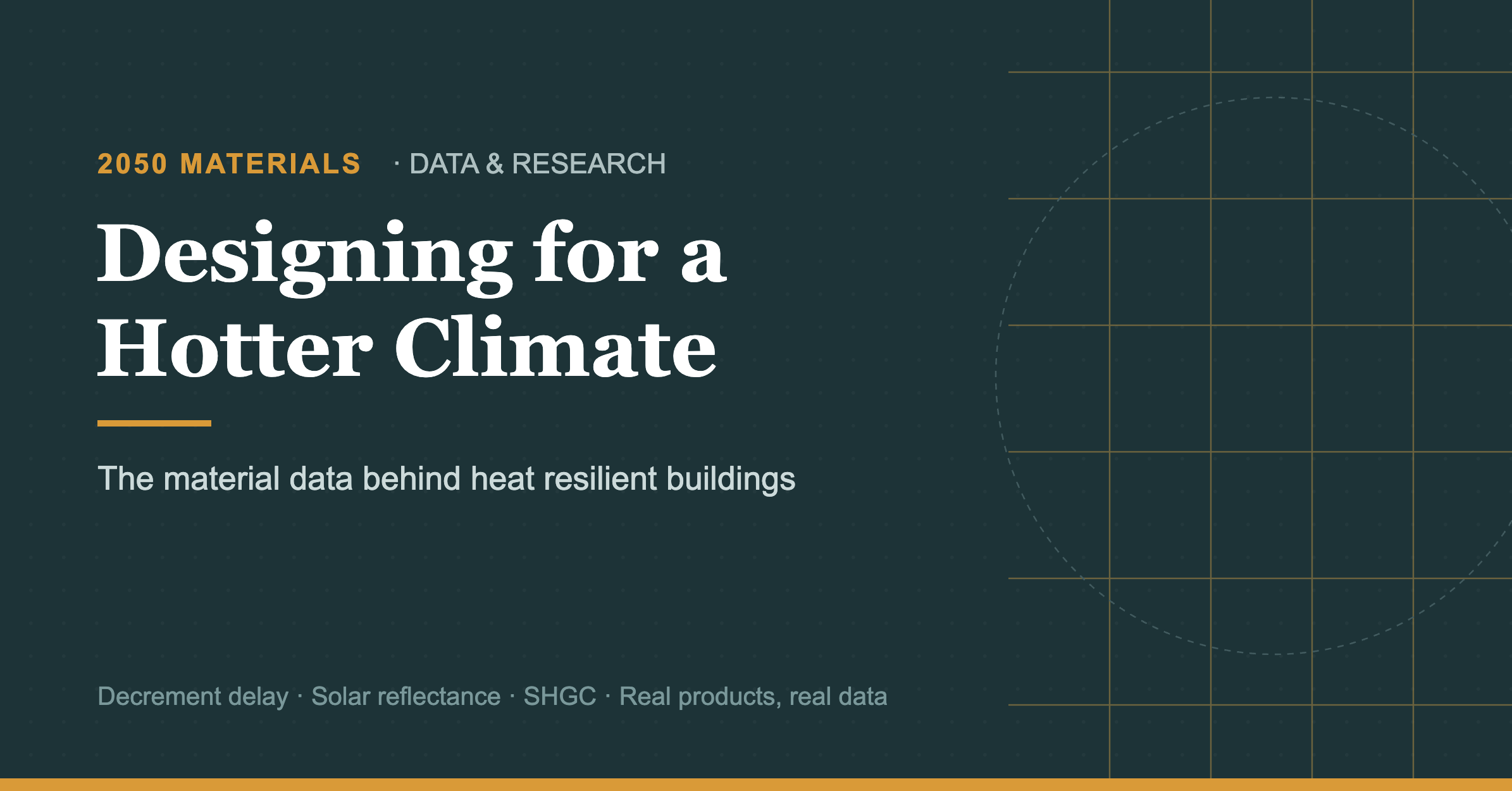
Built to Beat the Heat
This summer's drought wasn't a fluke, it was a preview. Here's the material data that actually decides whether a building shrugs off a heatwave or quietly cooks behind a great winter U value: decrement delay, solar reflectance, SHGC, and the real products behind each one.
Read more
The Cost per Tonne Test for Embodied Carbon Swaps
Not every embodied carbon cut is worth paying for. Test any swap on cost per tonne of CO2e, see which band it falls in, and try the free calculator.
Read more