Tate RMG600+ & BREEAM V7: Lower Embodied Carbon, Verified Performance
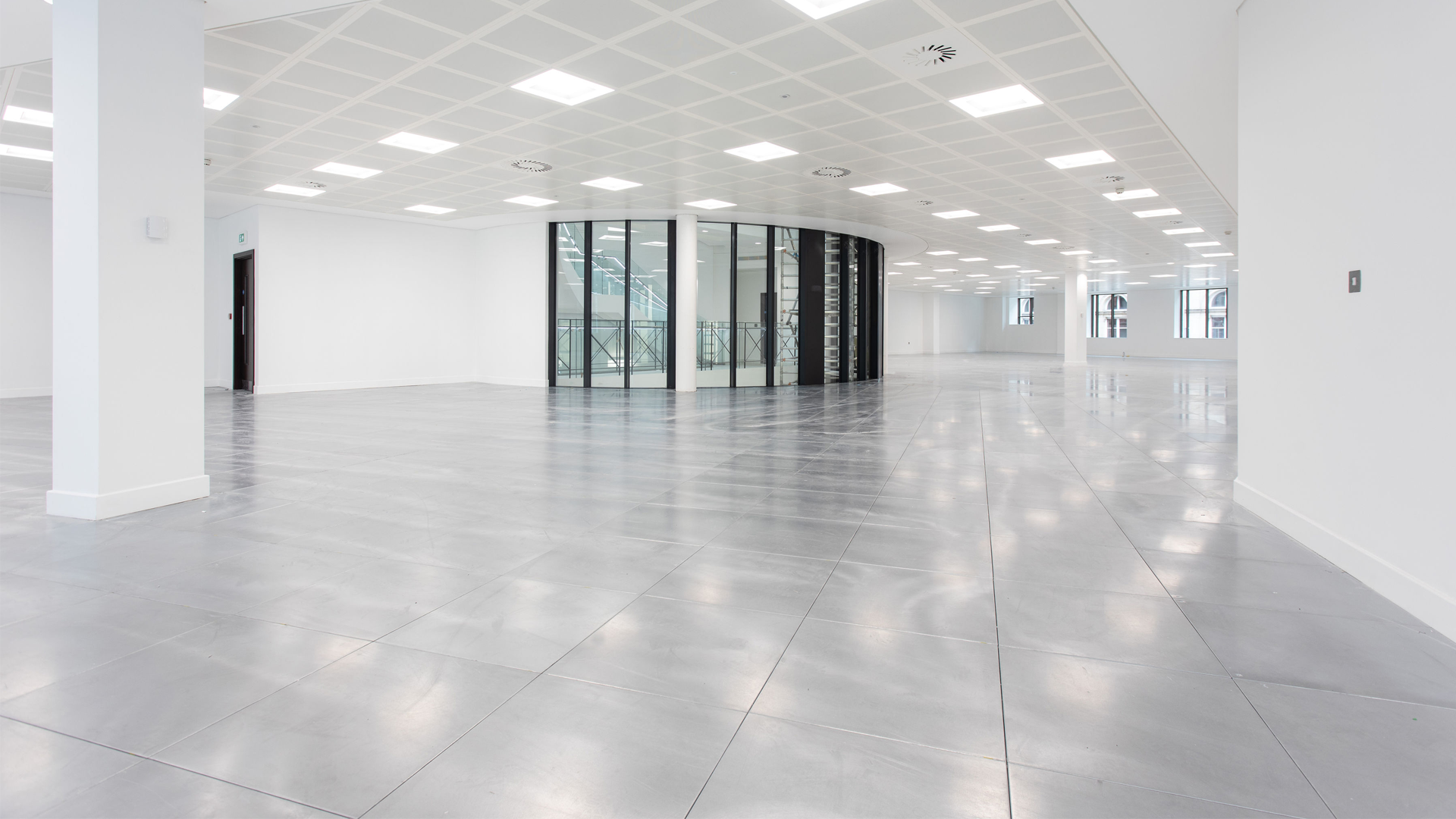
Image taken from Tate website
Across commercial fit-outs, access floors are under closer scrutiny for their material impacts and verified data. In this context, Tate’s RMG600+ raised access floor panel paired with the latest guidance in BREEAM New Construction V7 offers a clear, evidence-led route to lower embodied carbon and robust project outcomes.
Putting Embodied Carbon Up Front
Assessment frameworks are increasingly rewarding projects that prioritise lower embodied carbon (LEC) products. As operational energy improves, a greater share of total emissions is shifting toward materials and construction. This is where Tate’s LEC range, led by RMG600+, has focused its innovation bringing verified data to a product category used across high-spec offices and commercial spaces.
RMG600+: Verified Data, High Recycled Content, Long-Term Performance
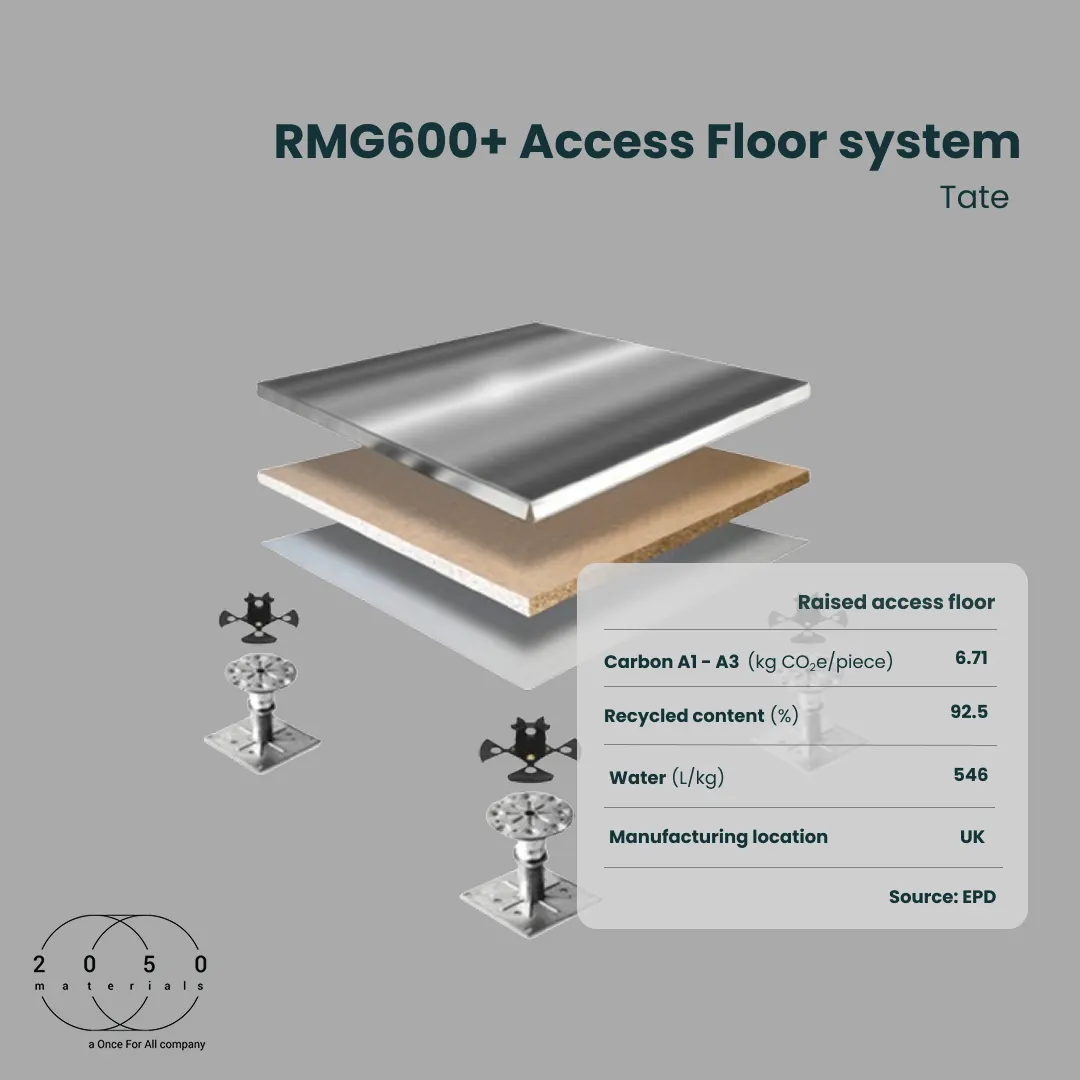
RMG600+ combines high recycled content, lower embodied carbon, and high-quality aesthetics with the practical toughness expected in premium commercial floors. Its performance is backed by a third-party verified EN 15804 + A2 Environmental Product Declaration (EPD), enabling straightforward integration into Lifecycle Analysis and helping teams pursue top project ratings such as BREEAM and LEED. Crucially, this is achieved without compromise on quality or style, making RMG600+ a frequent choice for prestigious projects.
Certification that Supports Project Goals
Because RMG600+ provides transparent, independently verified data via its EPD, design teams can align specification decisions with both rating requirements and client objectives. That clarity reduces risk: it links product selection to quantifiable outcomes in LEC reporting, while maintaining performance and longevity on the floor.
BREEAM V7: What’s New and Why It Matters for Flooring
The BREEAM New Construction Version 7 update strengthens attention to:
- Lower embodied carbon and decarbonisation,
- Responsible materials sourcing and alignment with UK/EU regulation,
- Circular economy, waste reduction, and resource reuse,
- User health and well-being, and
- Resilience to economic, physical, or social change including more extreme weather events.
For architects, designers and specifiers, BREEAM V7 is designed to offer assurance on net zero targets and wider project goals while supporting commercial performance (sales and rental values). These priorities map closely to Tate’s approach to raised access flooring products and services.
Circularity in Practice: Reuse and Resource Efficiency
Alongside RMG600+, Tate’s offer includes Reuse Panels and services that enable teams to reduce waste and drive reuse across commercial spaces. This alignment with circular-economy principles helps projects respond to BREEAM V7’s emphasis on resource use and material sourcing, reinforcing measurable outcomes beyond first installation.
What This Means for Architects and Specifiers
- Evidence-led choices: EN 15804 + A2 EPD supports LCA workflows and rating submissions.
- Embodied-carbon leadership: LEC focus meets current assessment priorities.
- Quality and aesthetics: High-end visual outcomes with uncompromising performance and longevity.
- Framework alignment: Clear fit with BREEAM V7 themes decarbonisation, circularity, and resilience plus relevance for LEED pathways.
As project teams place more weight on embodied-carbon outcomes, products with verified data, high recycled content, and proven performance rise to the top. Tate’s RMG600+ together with BREEAM V7’s updated framework, gives design and delivery teams a practical, high-quality route to meet today’s priorities with confidence.
Explore their full range of products by Tate on the 2050 Materials platform.
Related articles
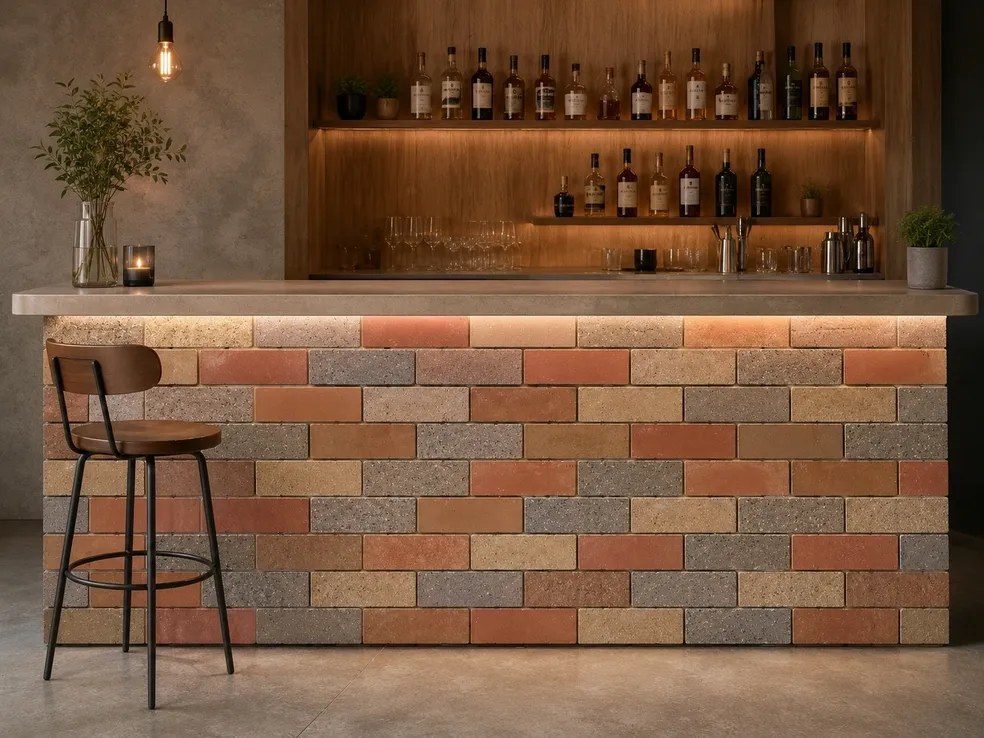
e4E Brick Slips: All the Brick, None of the Kiln
e4E makes brick slips from excavated soil, pressed rather than fired. See how they are made, the formats you can specify and the verified EPDs behind the range.
Read more
CaraGreen’s Organoid Wildspitze: A Wallcovering Grown, Not Manufactured
CaraGreen's Organoid Wildspitze is a wallcovering made from hand cut alpine hay, backed by a third party verified EPD showing 2.2 kg CO2e/m² GWP and stored biogenic carbon.
Read more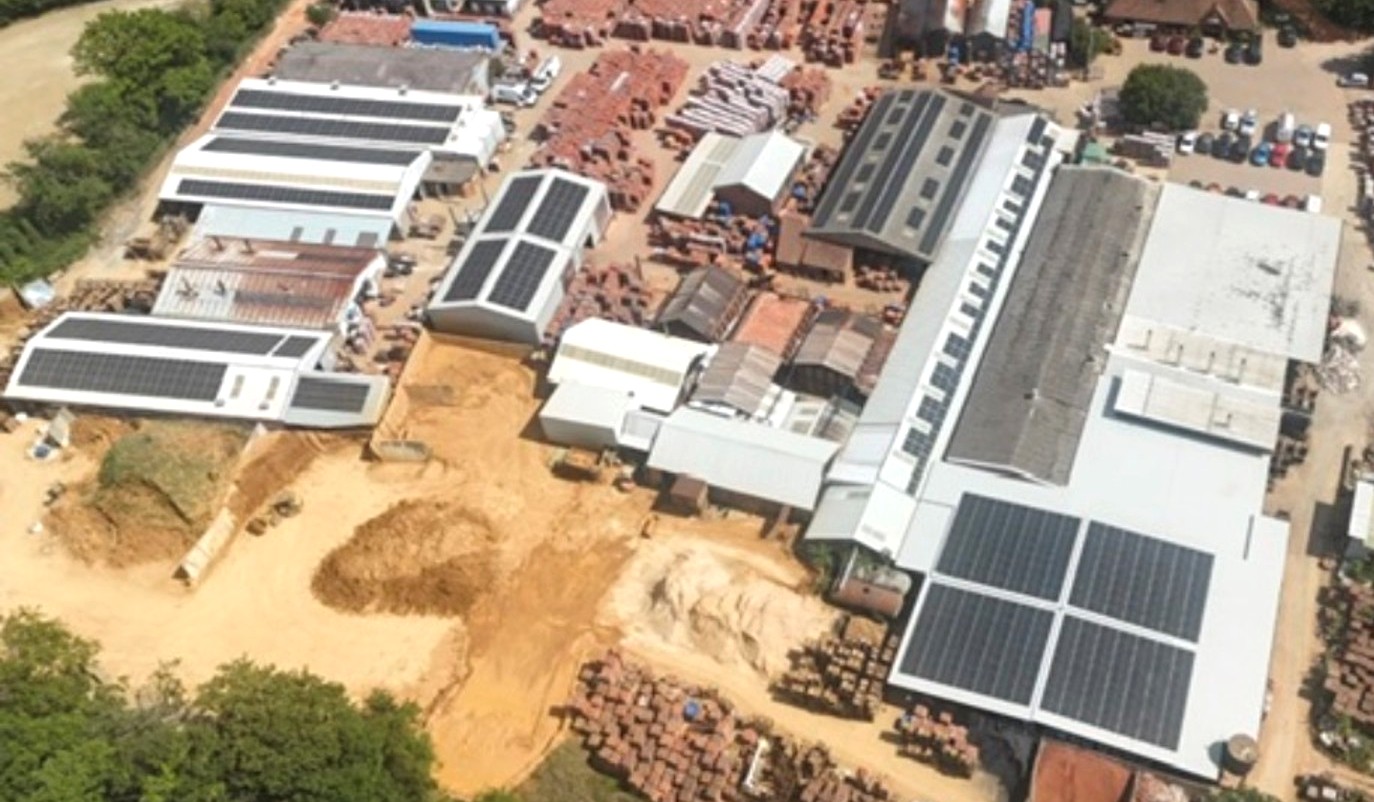
H.G. Matthews: Beyond the EPD
H.G. Matthews' new solar-biomass energy system at The Brickworks, Bellingdon is cutting diesel use and lowering embodied carbon, the latest step in a track record of measurable, verified environmental improvement backed by published EPDs.
Read more