Ekopanely Panels: Manufacturing Simplicity, Construction Performance
Building material performance is shaped by control over inputs, manufacturing processes, and dimensional accuracy. At Ekopanely, these principles guide the production of a straw-based panel system developed and refined over more than 25 years. Manufactured in the Czech Republic, Ekopanely are designed to deliver predictable performance while remaining straightforward to specify, fabricate, and install.
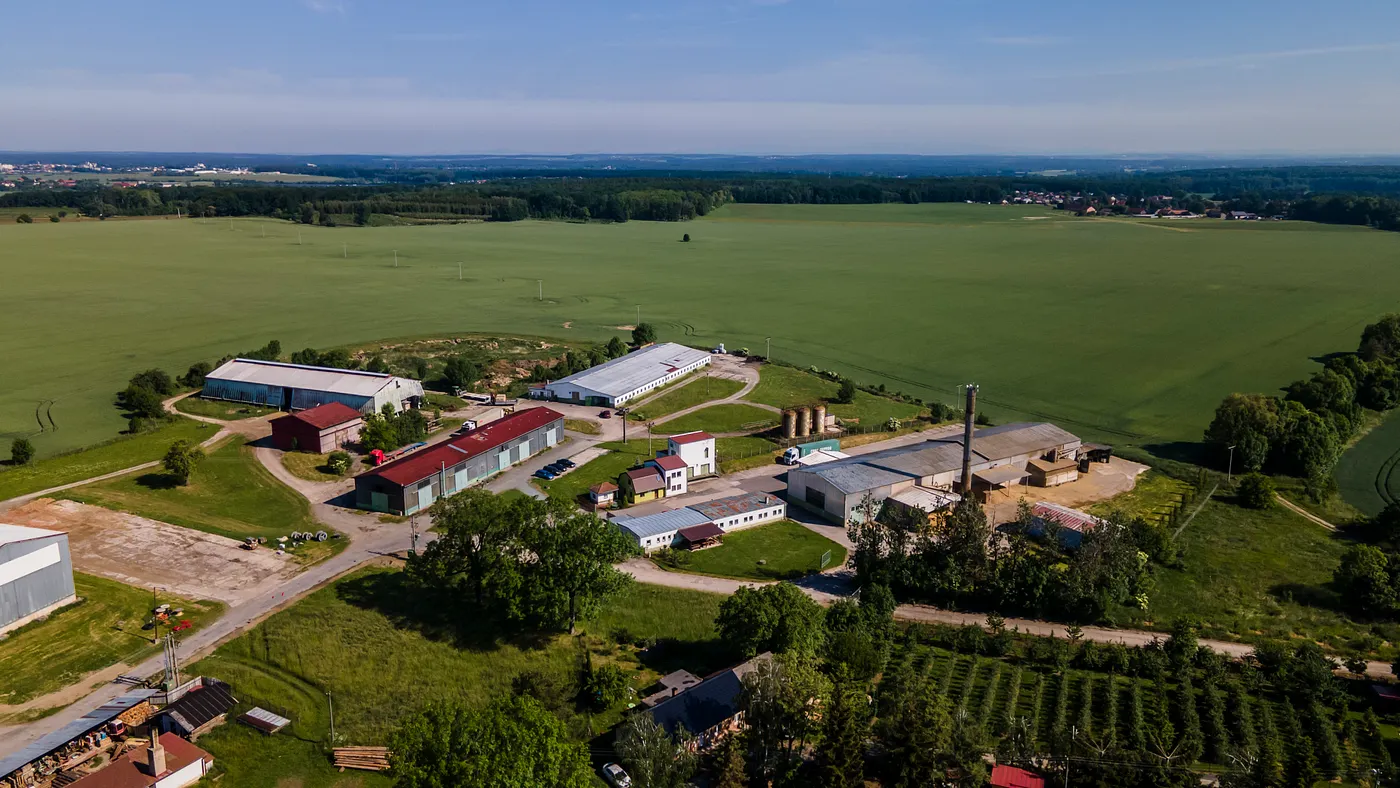
The system is produced in Jedousov, where a single production hall and a tightly controlled workflow transform wheat straw and paper into structural building panels used across residential construction.
Local sourcing and material preparation
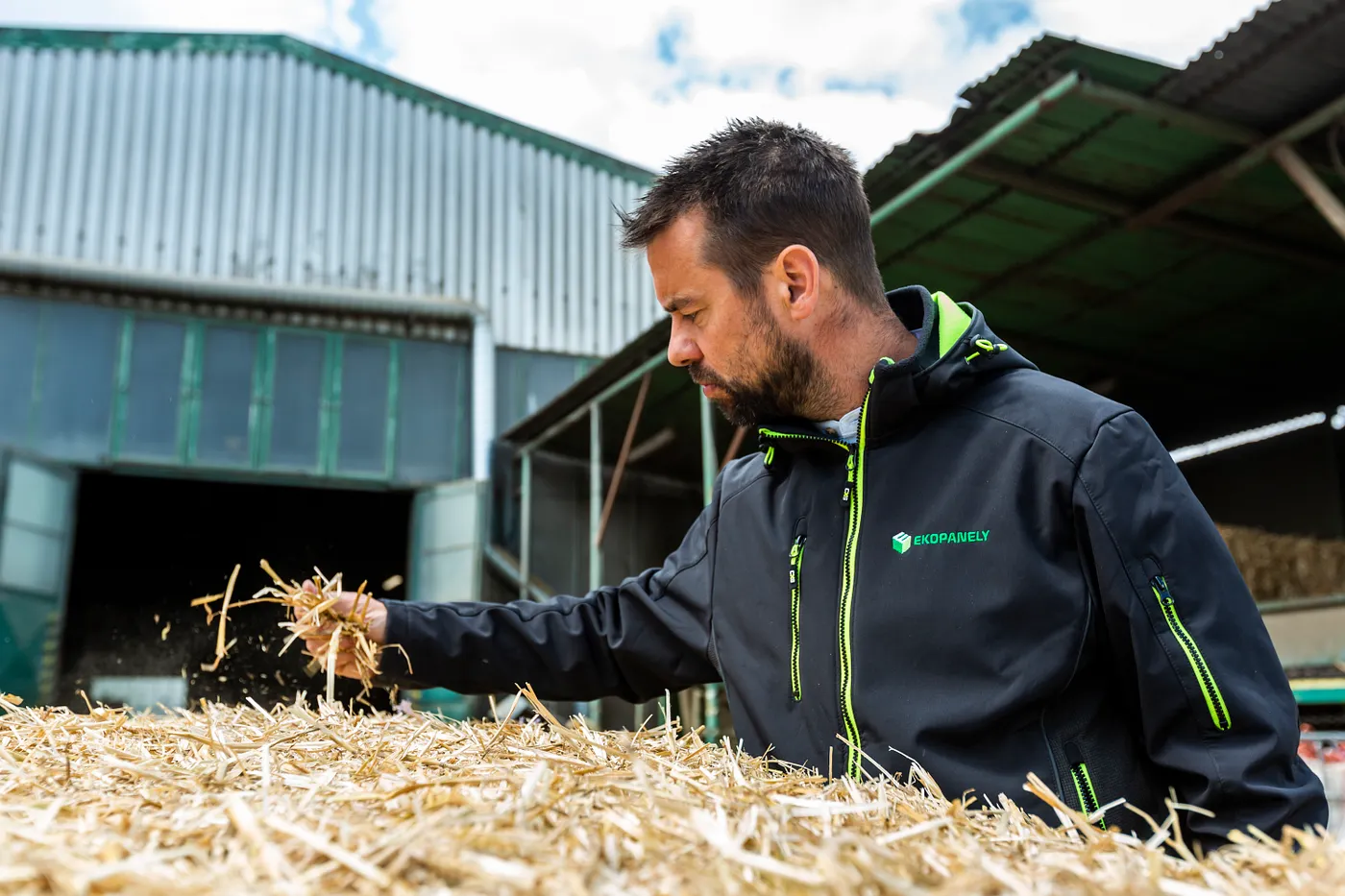
Ekopanely uses wheat straw as its sole core material, sourced exclusively from verified local farmers within a 20 km radius of the production site. Because grain quality is monitored at the agricultural stage, the resulting straw quality remains consistent. After harvest, straw is compressed directly in the field into rectangular bales and stored on site, with approximately 8,000 bales covering annual production demand.
Each bale weighs around 400 kg and contains roughly two cubic metres of straw. One production shift processes approximately 20 bales per day. Before entering the manufacturing line, bales are manually stripped of bindings and fed into a disintegrator, where the straw is loosened and cleaned of residual grain and stones. Separated grain is reused locally as animal feed, ensuring material streams remain fully utilised.
Compression without chemical binders
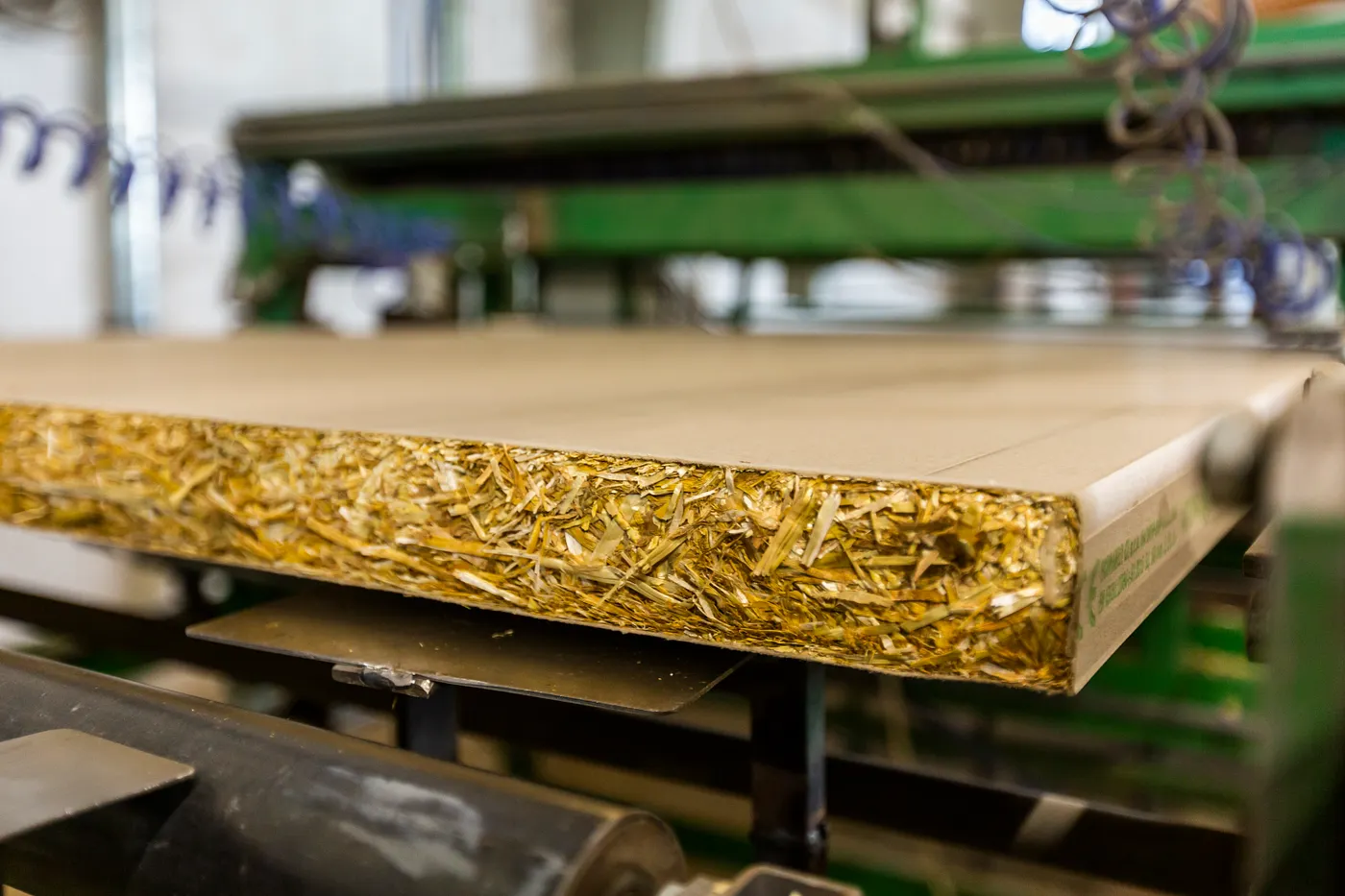
Once cleaned, loose straw is conveyed via chain conveyor into a mechanical press. At approximately 200 °C, the straw is compressed into a dense core using two compression strokes per second. This process relies entirely on heat and pressure, forming a rigid panel core without the use of chemical binders or additives.
The compressed core is then faced on both sides with a paperboard. A thin layer of Czech–Swedish adhesive is used solely to bond the straw core to recycled paper sourced from France. No toxic by-products are generated during production, and no additional chemical treatments are introduced. Offcuts produced during construction can be recycled.
Dimensional accuracy and made-to-order production
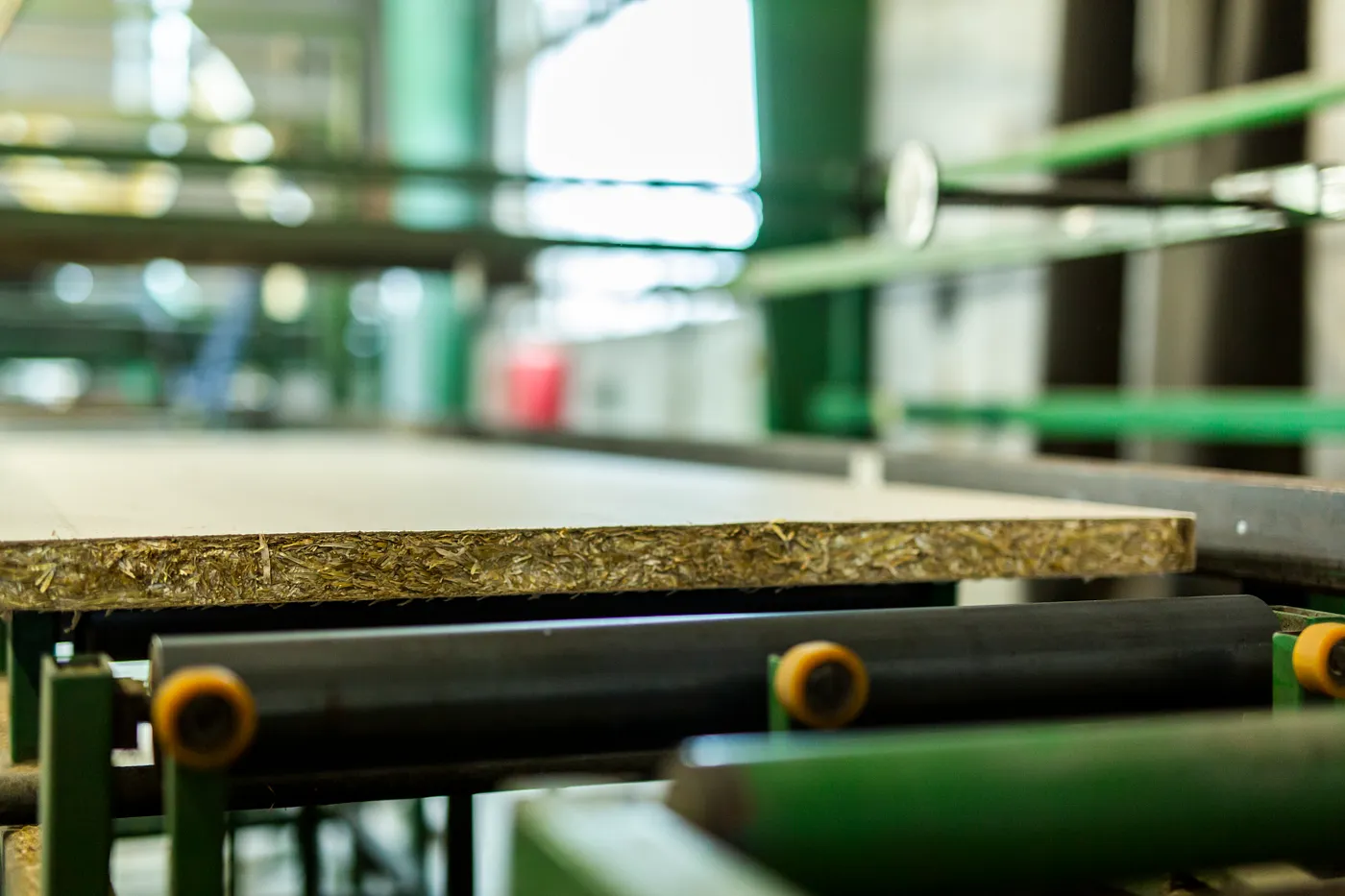
Panels travel along a 40-metre conveyor, cooling naturally before reaching the cutting stage. A measuring device signals when customer-specified dimensions have been achieved, triggering the formatting saw. Edges are sealed with recycled paperboard, and panels exit the line finished to size.
Ekopanely operates on a fully made-to-order model, with no warehouse stock held. Production aligns directly with project requirements, allowing dimensional precision and minimising on-site cutting. A single line produces approximately 300 m² of panels per day.
Panel formats and manufacturing lines
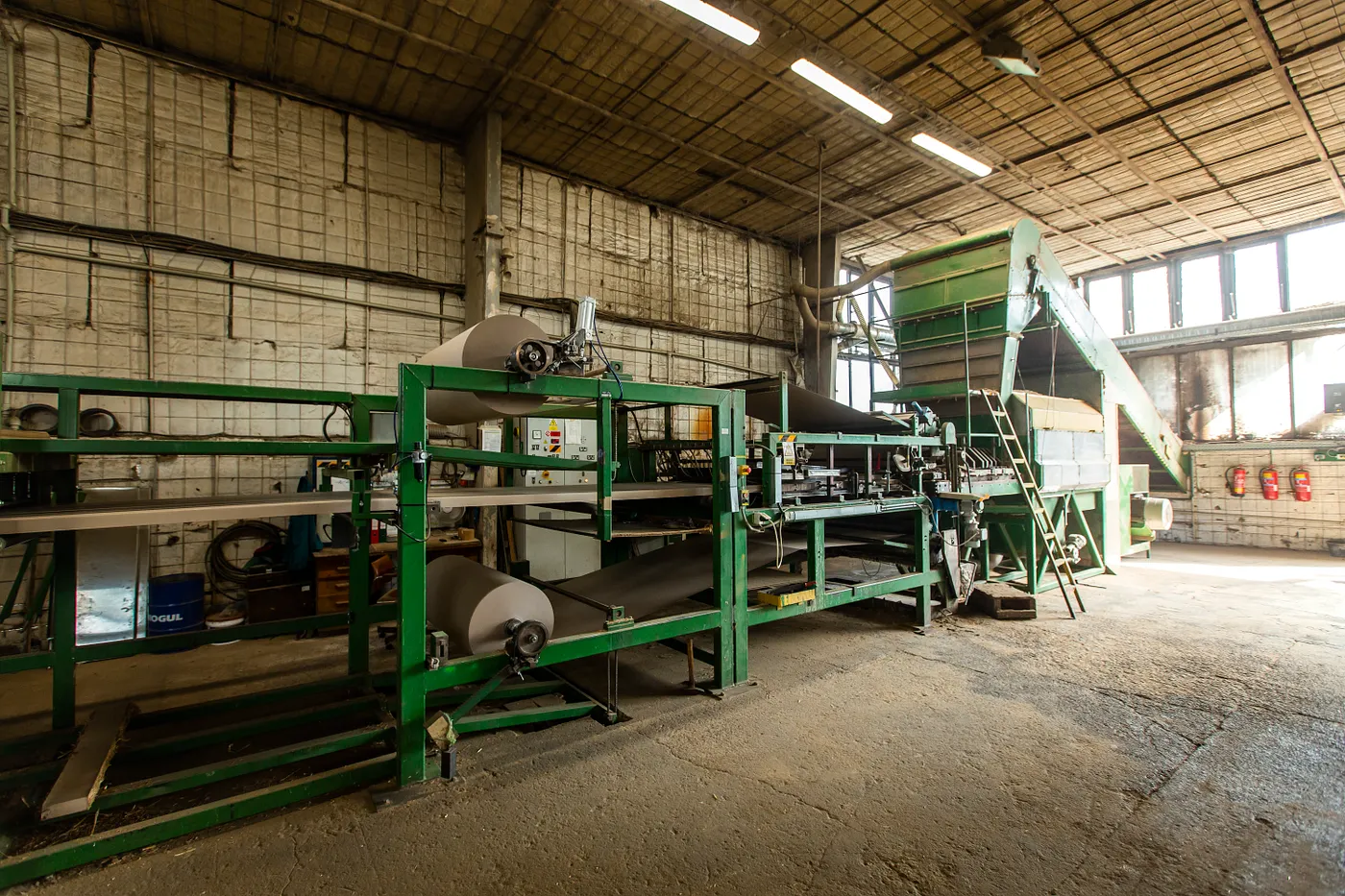
Two automated production lines operate within the same hall. The newer line produces panels 1,200 mm wide and 60 mm thick, with lengths ranging from 1.2 m to 3.2 m. An older line produces panels 800 mm wide and 40 mm thick. From material input to finished product, the entire process occurs in a single continuous flow: straw enters one end of the hall and exits 40 metres later as a completed panel.
Applications in residential construction
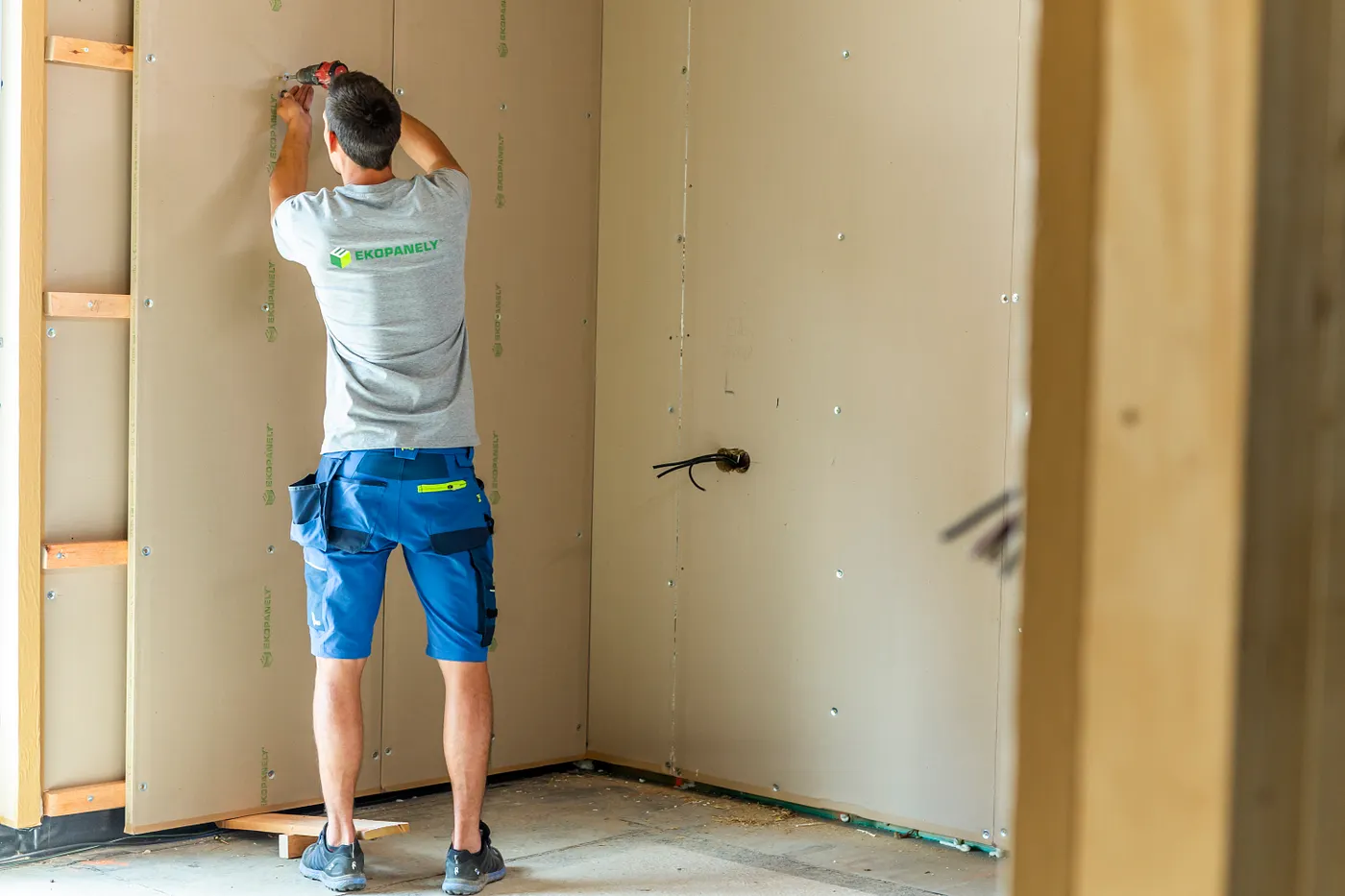
Ekopanely panels are used for interior linings, partitions, ceilings, sloped surfaces, and external wall assemblies. In residential projects, they are frequently specified as an alternative to conventional drywall, particularly in attic conversions and timber construction. Panels can be ordered to exact dimensions, reducing site waste and avoiding thermal bridge risks associated with excessive jointing.
Ekopanely are also incorporated into external wall build-ups for family houses, where their density, acoustic performance, fire resistance, and vapour-open characteristics support robust envelope design.
Why Ekopanely matter on the 2050 Materials platform
At 2050 Materials, we focus on building products that combine material transparency, measurable performance, and construction practicality. Ekopanely exemplify a system where agricultural by-products, controlled manufacturing, and dimensional precision come together in a panel designed for modern building workflows.
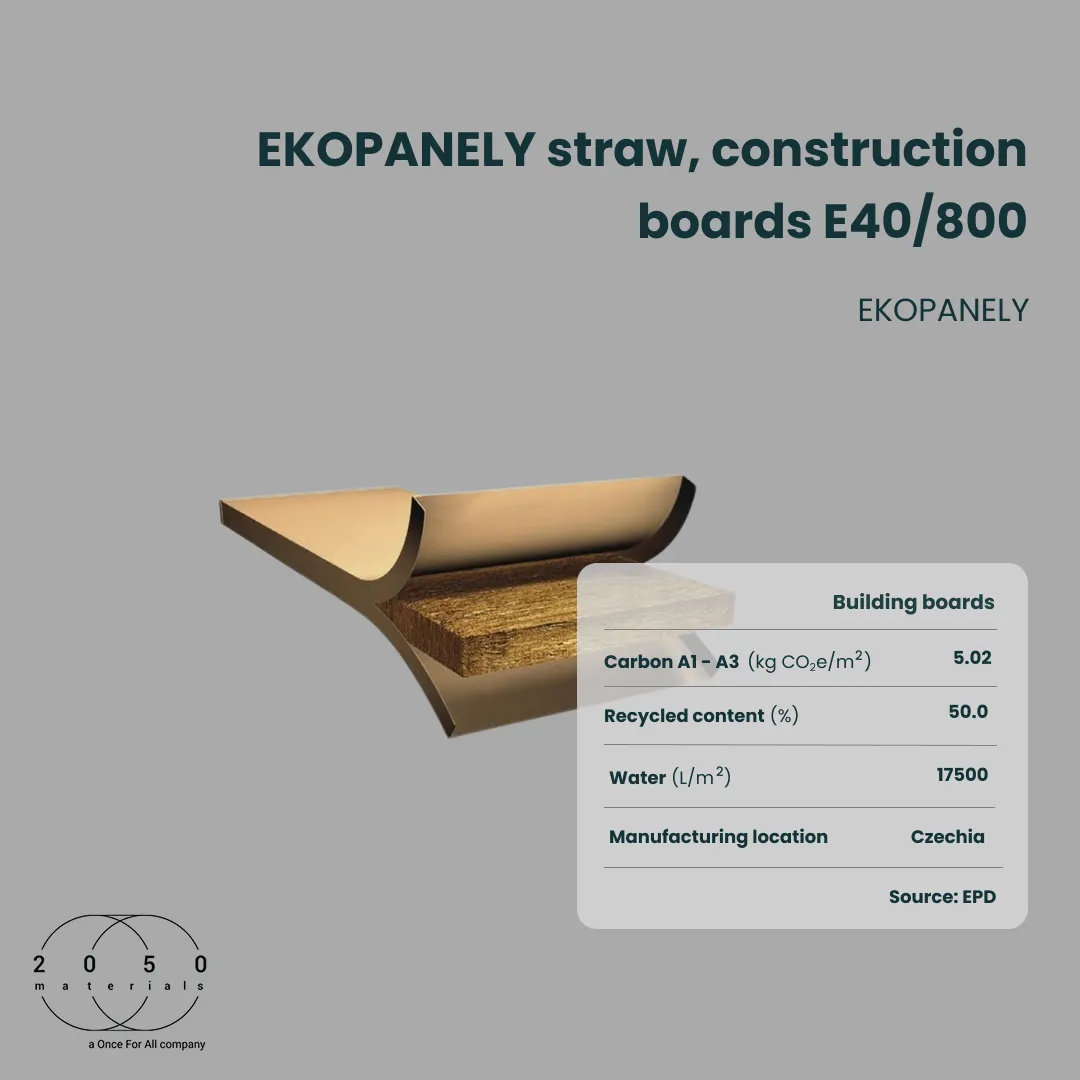
Explore Ekopanely’s specifications, applications, and verified technical data directly on the 2050 Materials platform, supporting informed material selection from early design through construction.
Related articles
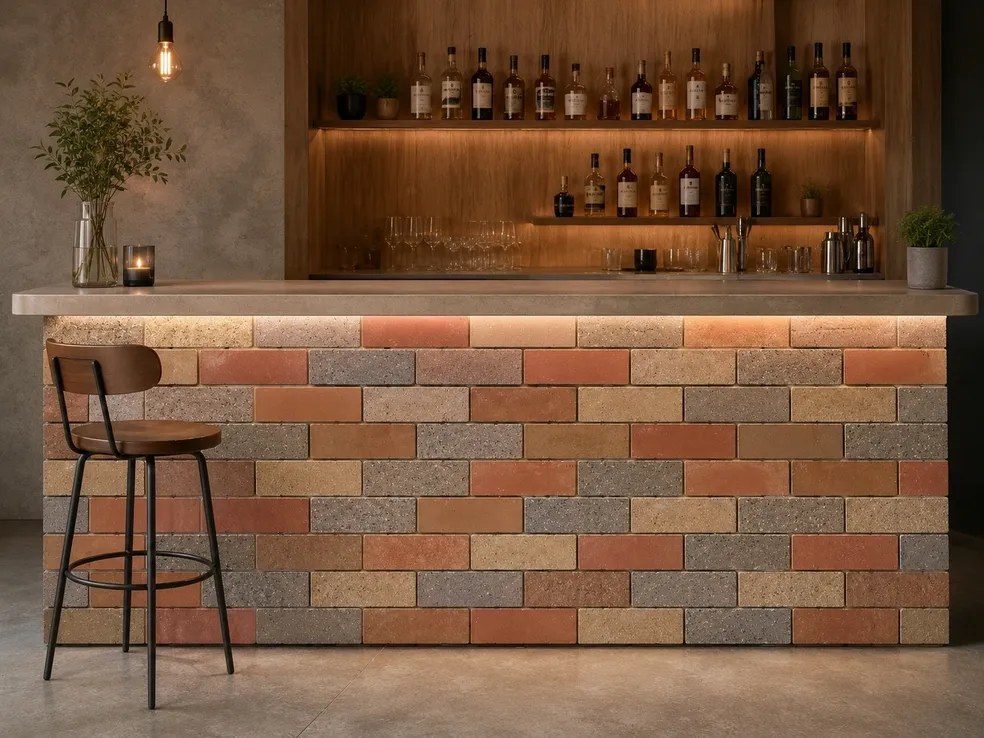
e4E Brick Slips: All the Brick, None of the Kiln
e4E makes brick slips from excavated soil, pressed rather than fired. See how they are made, the formats you can specify and the verified EPDs behind the range.
Read more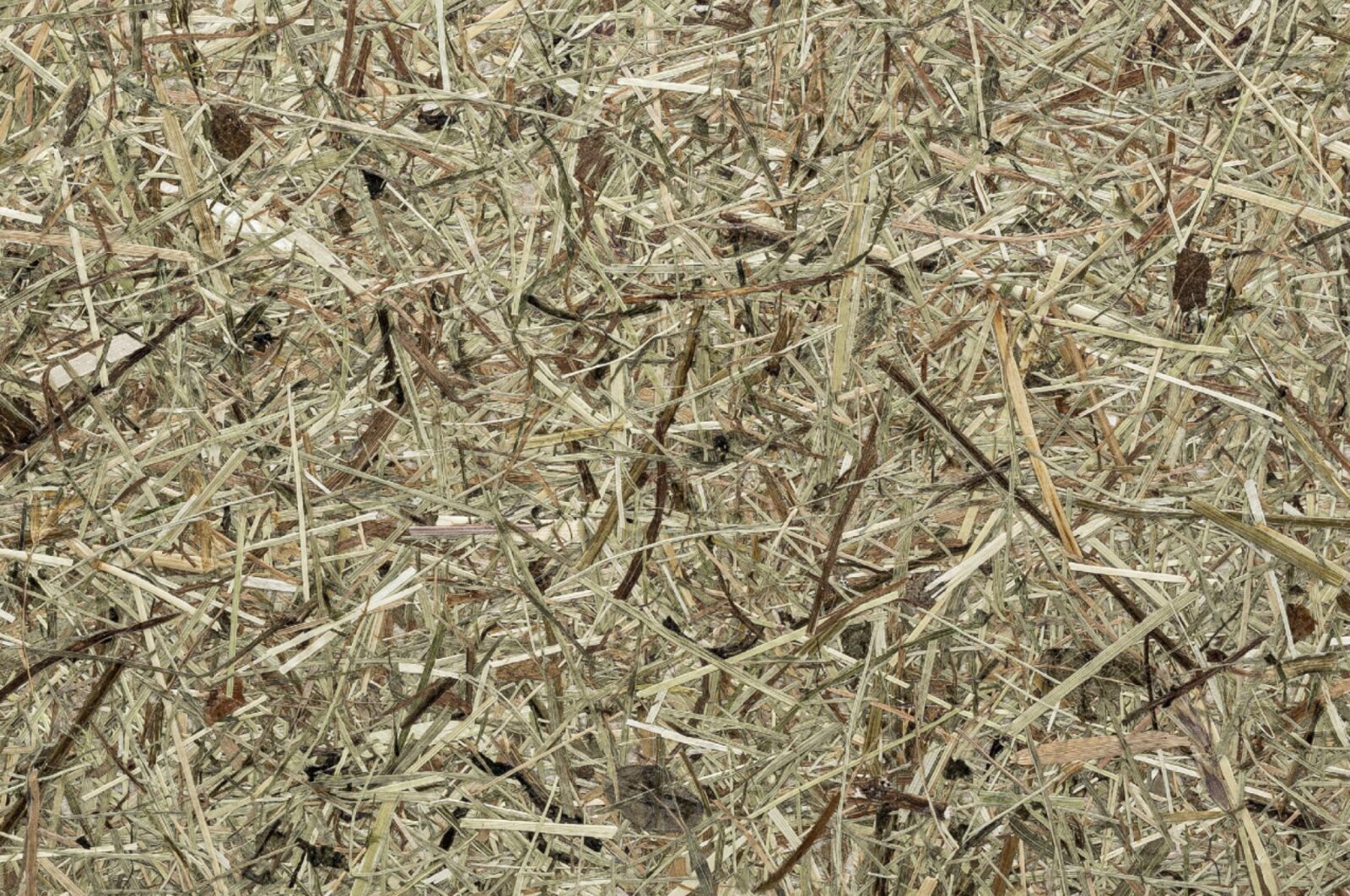
CaraGreen’s Organoid Wildspitze: A Wallcovering Grown, Not Manufactured
CaraGreen's Organoid Wildspitze is a wallcovering made from hand cut alpine hay, backed by a third party verified EPD showing 2.2 kg CO2e/m² GWP and stored biogenic carbon.
Read more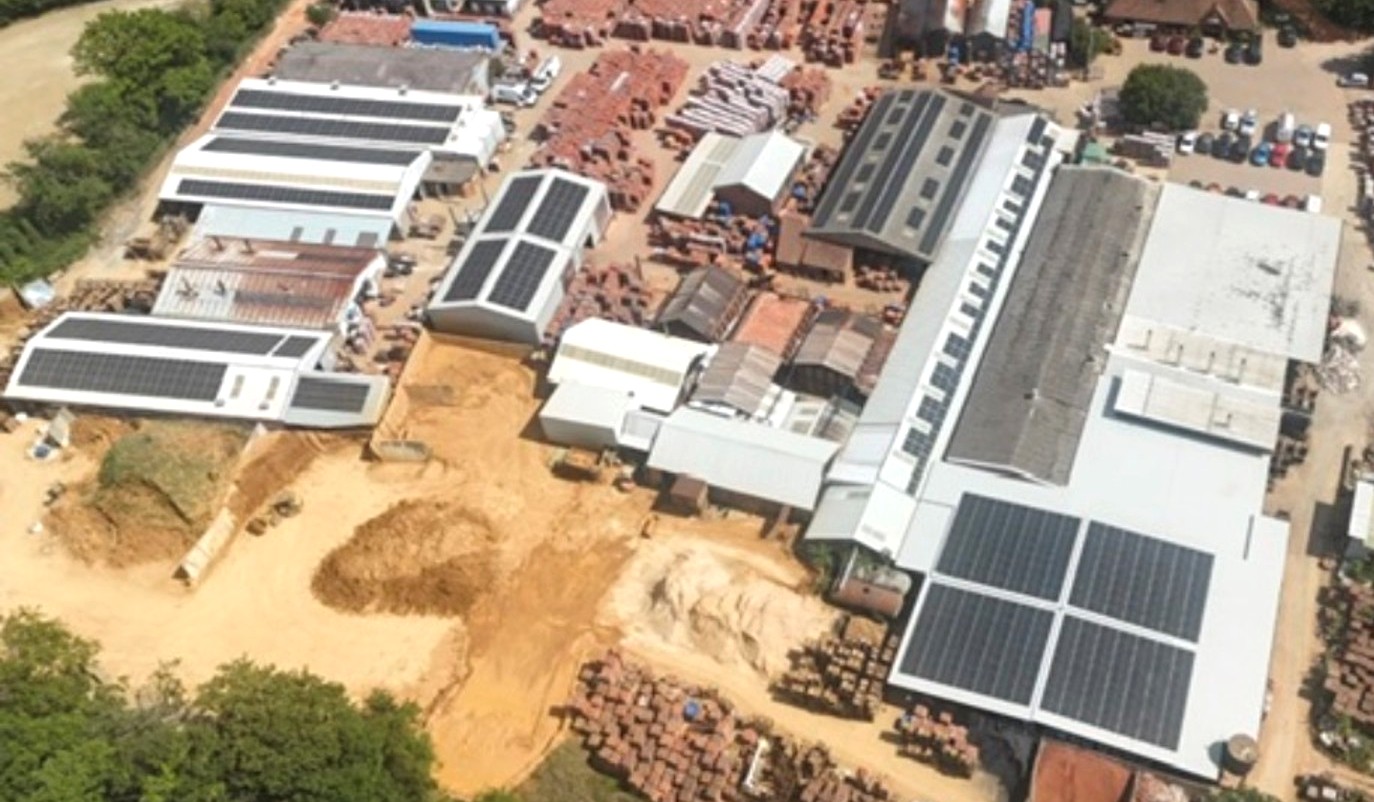
H.G. Matthews: Beyond the EPD
H.G. Matthews' new solar-biomass energy system at The Brickworks, Bellingdon is cutting diesel use and lowering embodied carbon, the latest step in a track record of measurable, verified environmental improvement backed by published EPDs.
Read more