
Are office fit-outs relevant for climate change?
About half of all carbon emissions worldwide are produced by the building industry, of which 28% come from building operations and 21% from new construction.
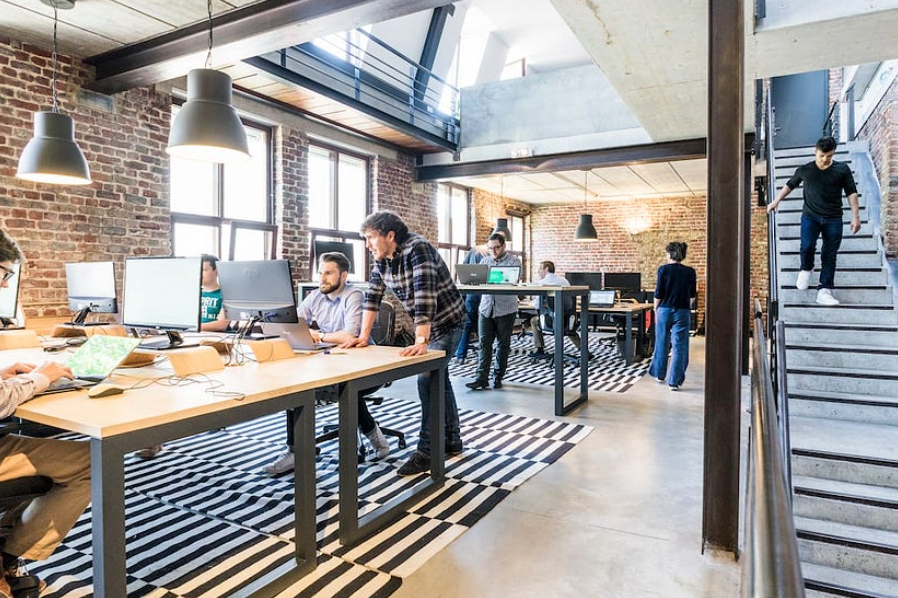
Cool offices, warm planet?
 The carbon footprint of the building materials used for core & shell* in new construction is equivalent to that of interior finishing.
Steel, reinforced, concrete, aluminum, glass, etc. used in the construction of a building’s structure, mechanical systems and exterior walls
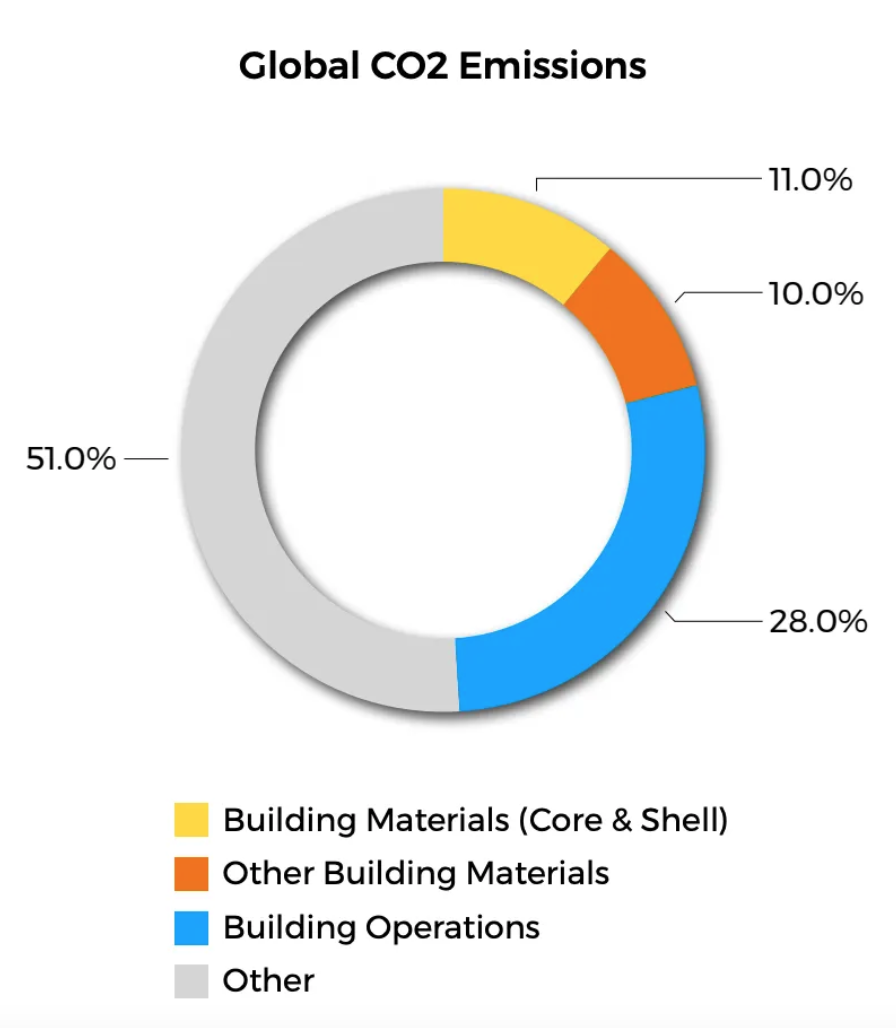
Source: RESET Embodied Carbon and Circularity in Office Interiors: Part 1
What are the numbers?
The lifecycle of office interiors produces about 190 kg of CO2e and 77 kg of waste per square meter in many of the largest markets in the world.
Regardless of location, top-tier office towers that draw dependable, multi-national tenants have an average lease and interior life of roughly 8.5 years. Due to fast changes from growth, shrinkage, or adaptation to new workplace requirements, office leases and the life of their interiors are only good for 2–3 years for less reliable tenants.
The lifecycle of office interiors produces about 190 kg of CO2e and 77 kg of waste
How many fit-outs does a building go through?
If the lifecycle of an office interior is assumed to be 2.5 years, the number of interior fit-outs over the building’s lifespan might reach 20. That means that while an office building is in use, the interior changes 20 times!
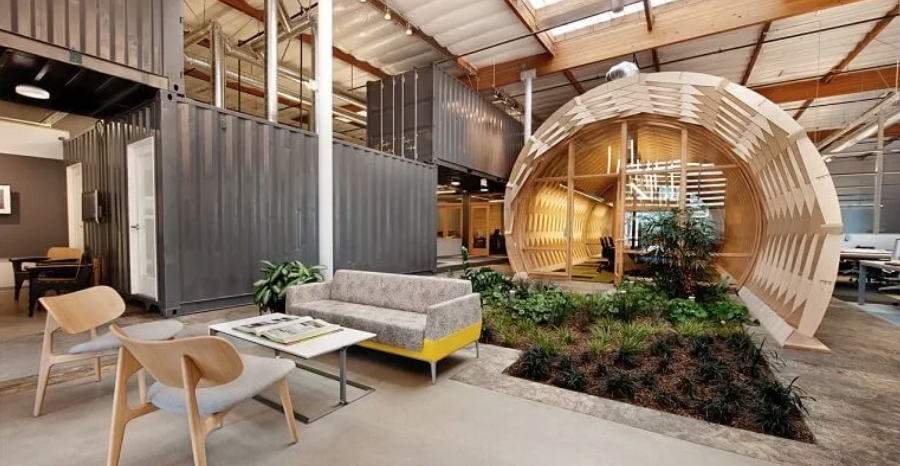
What does that mean in terms of emissions?
The significance of those emissions is brought into stark relief when the carbon emissions from the construction of office interiors are calculated over the design lifespan of a building:
- At best, carbon emissions from tenant fit-outs are equal to those of the building’s core and shell as a whole.
- In their worst cases, they are almost four times higher.
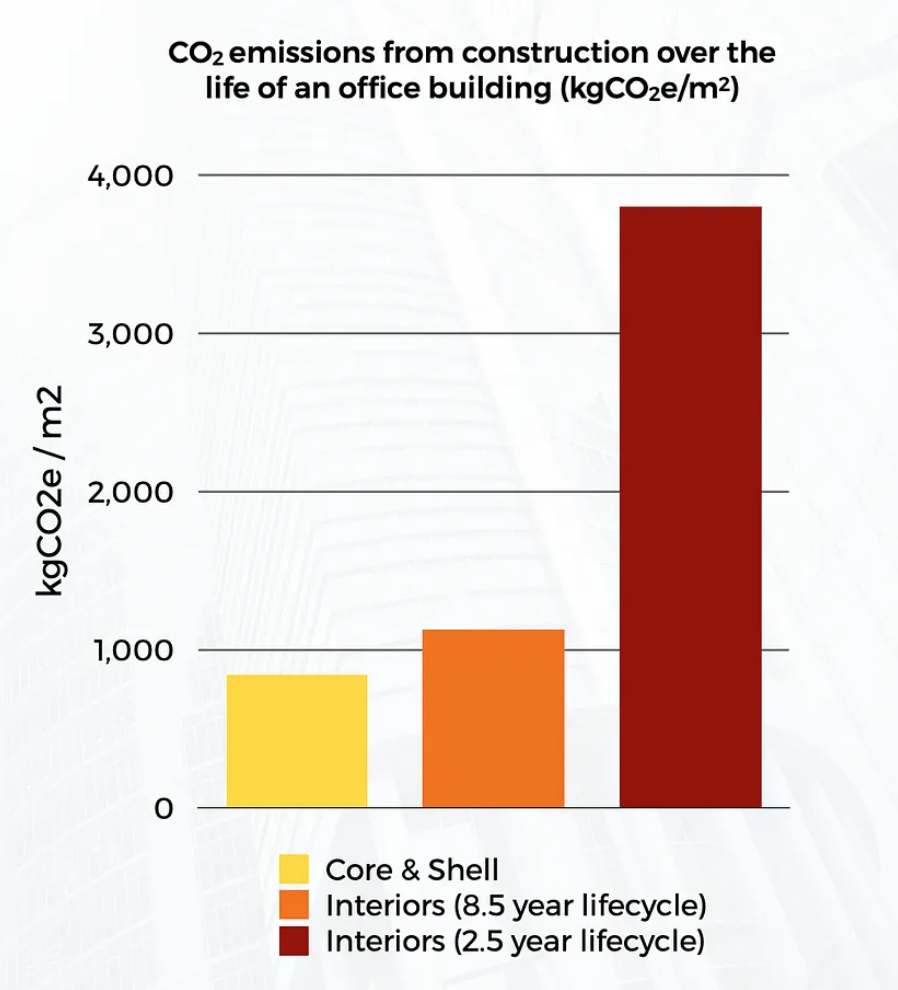
Source: RESET Embodied Carbon and Circularity in Office Interiors: Part 1
How does that compare to the building’s operational emissions?
This is a harder question, as operational emissions are location dependent, and as most grids are slowly including more renewables.
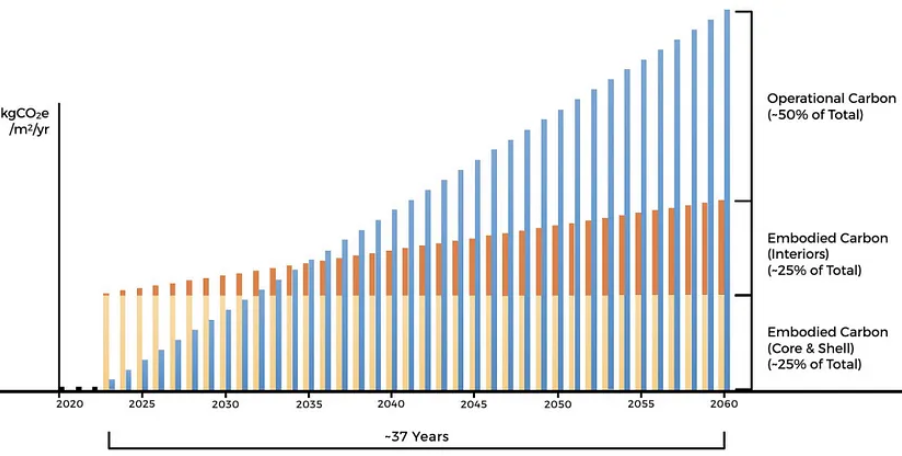
When excluding the embodied carbon of interiors, operational emission catch up with the emission from the core & shell after 20 years.
However, average data now shows that the operational emissions are equal to non-operational / embodied emissions after 37 years of the building’s lifetime.
What can you do to reduce the impact of interiors?
If you are an interior designer, or an architect working in office fit-outs, here’s a few ways you can reduce the emissions:
- Use less materials
- Re-use / Re-purpose materials
- Specify low-carbon & with high recycled content materials
Researching sustainable, low-carbon and healthy materials is not easy. At 2050 Materials, we are working on making it as simple as it can possibly become.
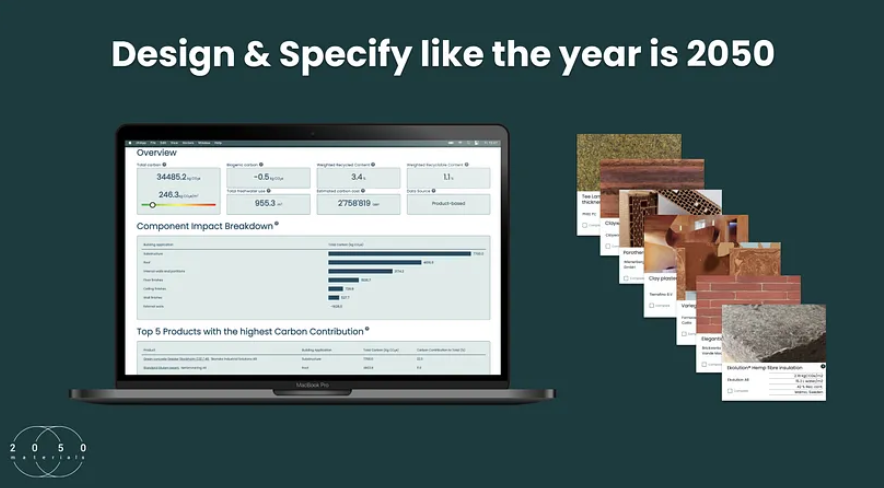
http://app.2050-materials.com/
Related articles
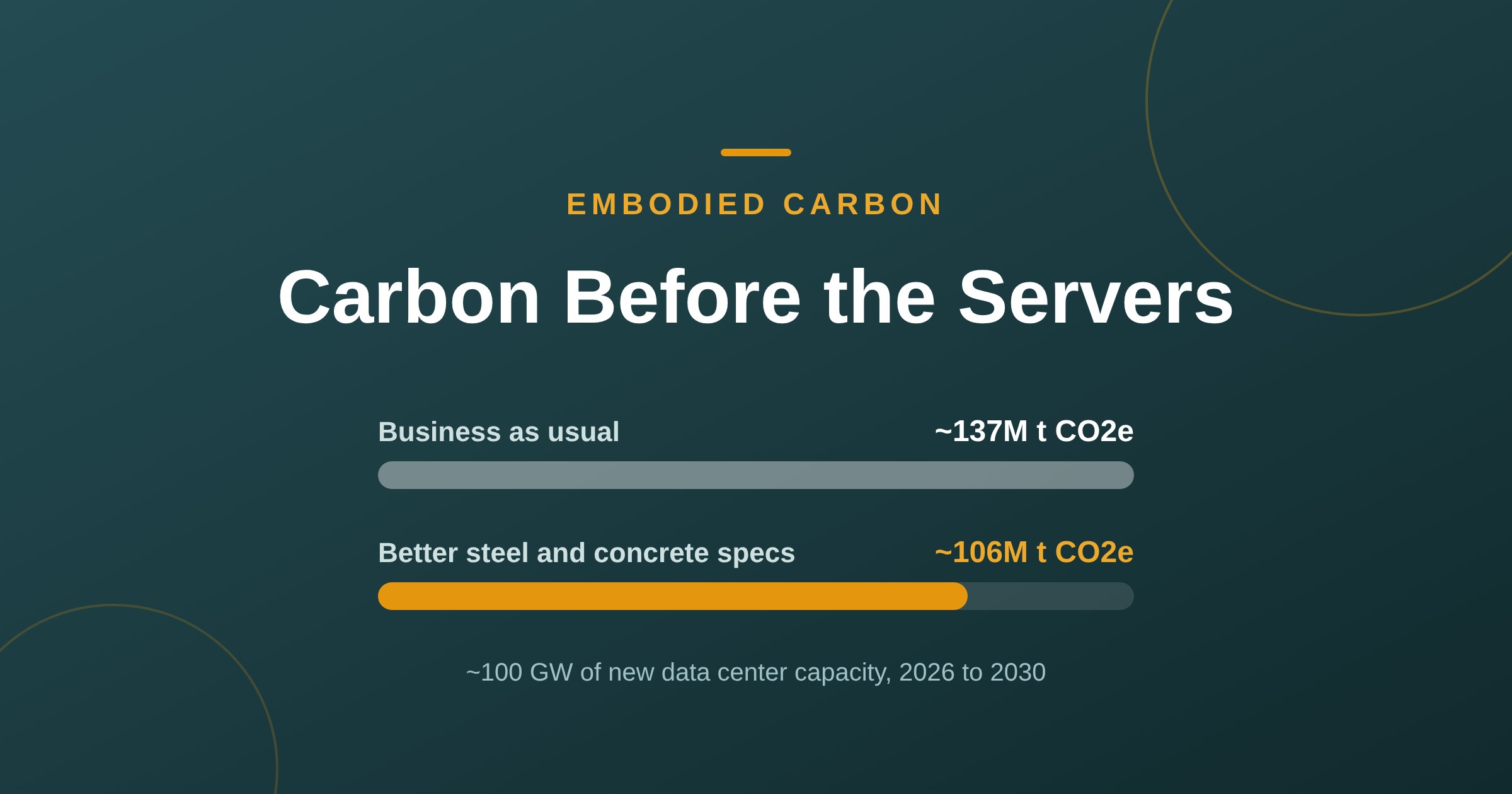
Data Centers’ Hidden 137M-Tonne Carbon Bill
New data centers could lock in ~137M tonnes of CO2e before a single server switches on. GGBS concrete and recycled steel could cut about 31M of it.
Read more
Built to Beat the Heat
This summer's drought wasn't a fluke, it was a preview. Here's the material data that actually decides whether a building shrugs off a heatwave or quietly cooks behind a great winter U value: decrement delay, solar reflectance, SHGC, and the real products behind each one.
Read more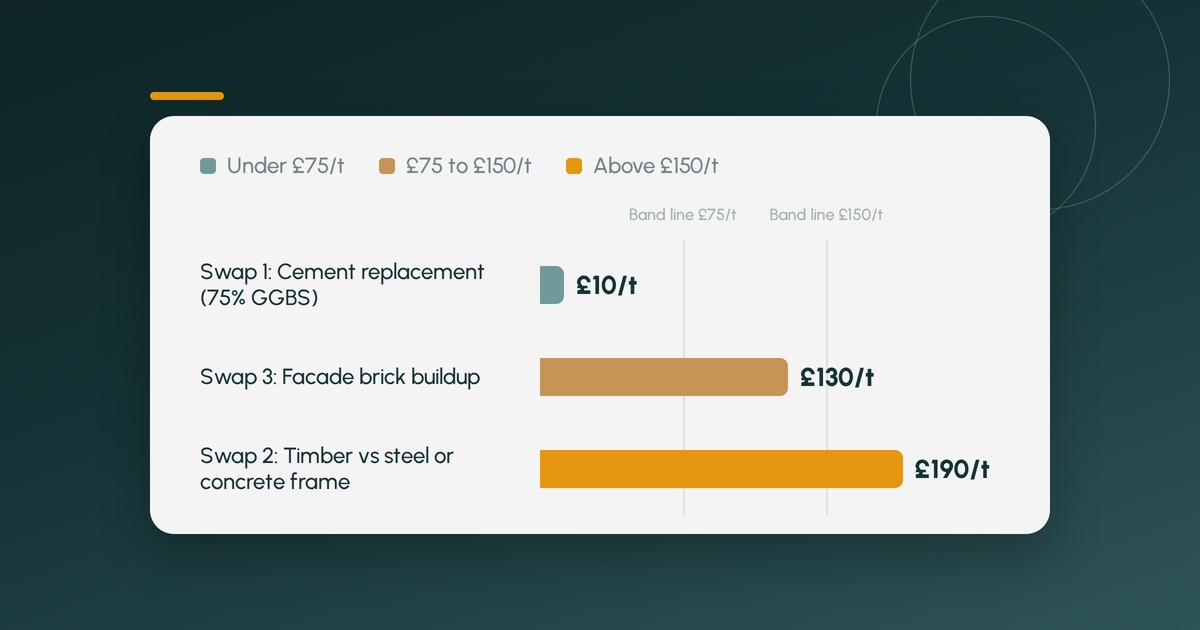
The Cost per Tonne Test for Embodied Carbon Swaps
Not every embodied carbon cut is worth paying for. Test any swap on cost per tonne of CO2e, see which band it falls in, and try the free calculator.
Read more