CaraGreen’s Organoid Wildspitze: A Wallcovering Grown, Not Manufactured
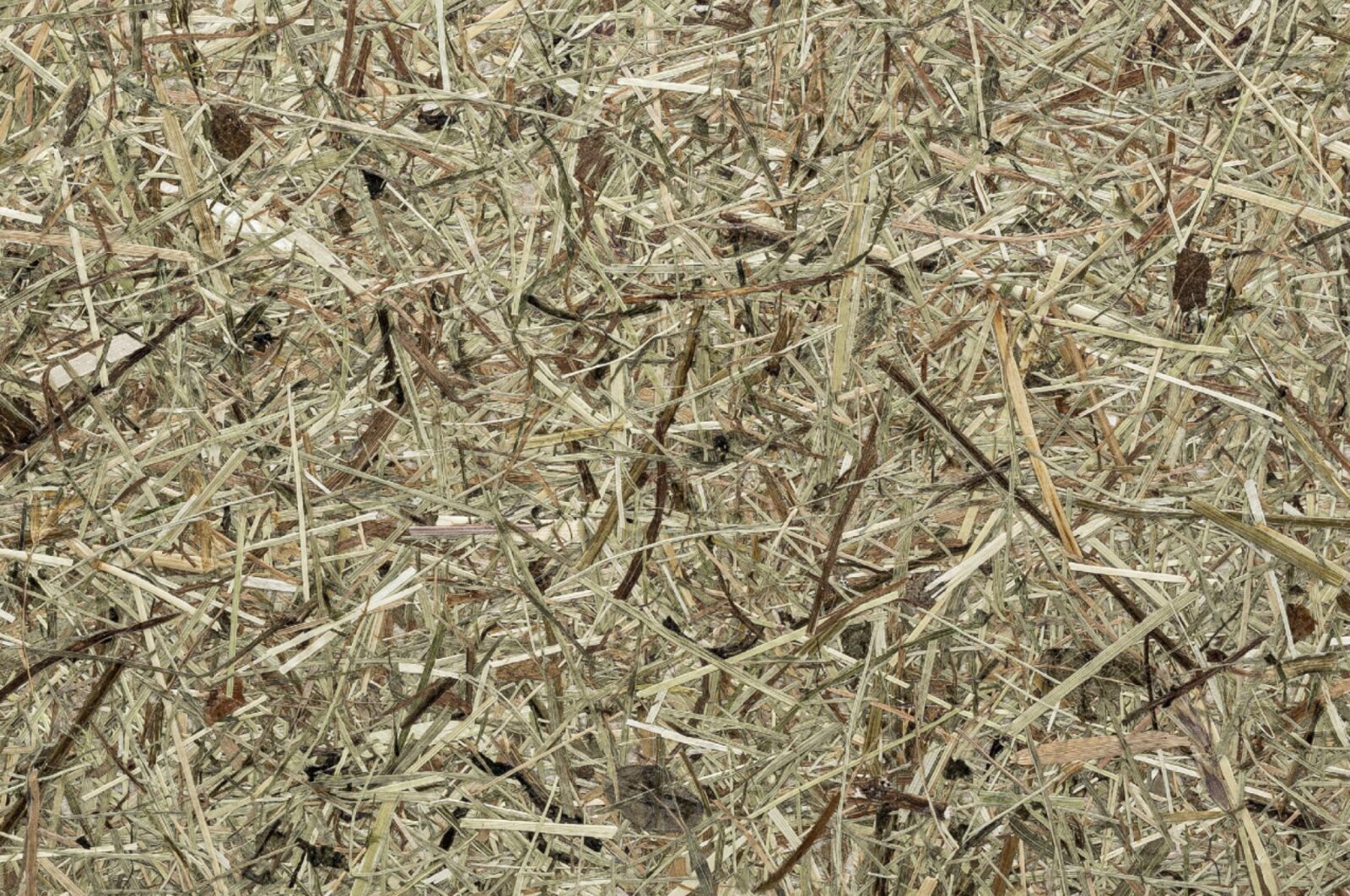
A third party verified EPD, a completed Transparency Questionnaire, and a wallcovering made from hand cut alpine hay. Wildspitze is CaraGreen’s case that a biobased surface can carry the same weight of proof as any conventional product, and the product listing has the numbers to back it up.
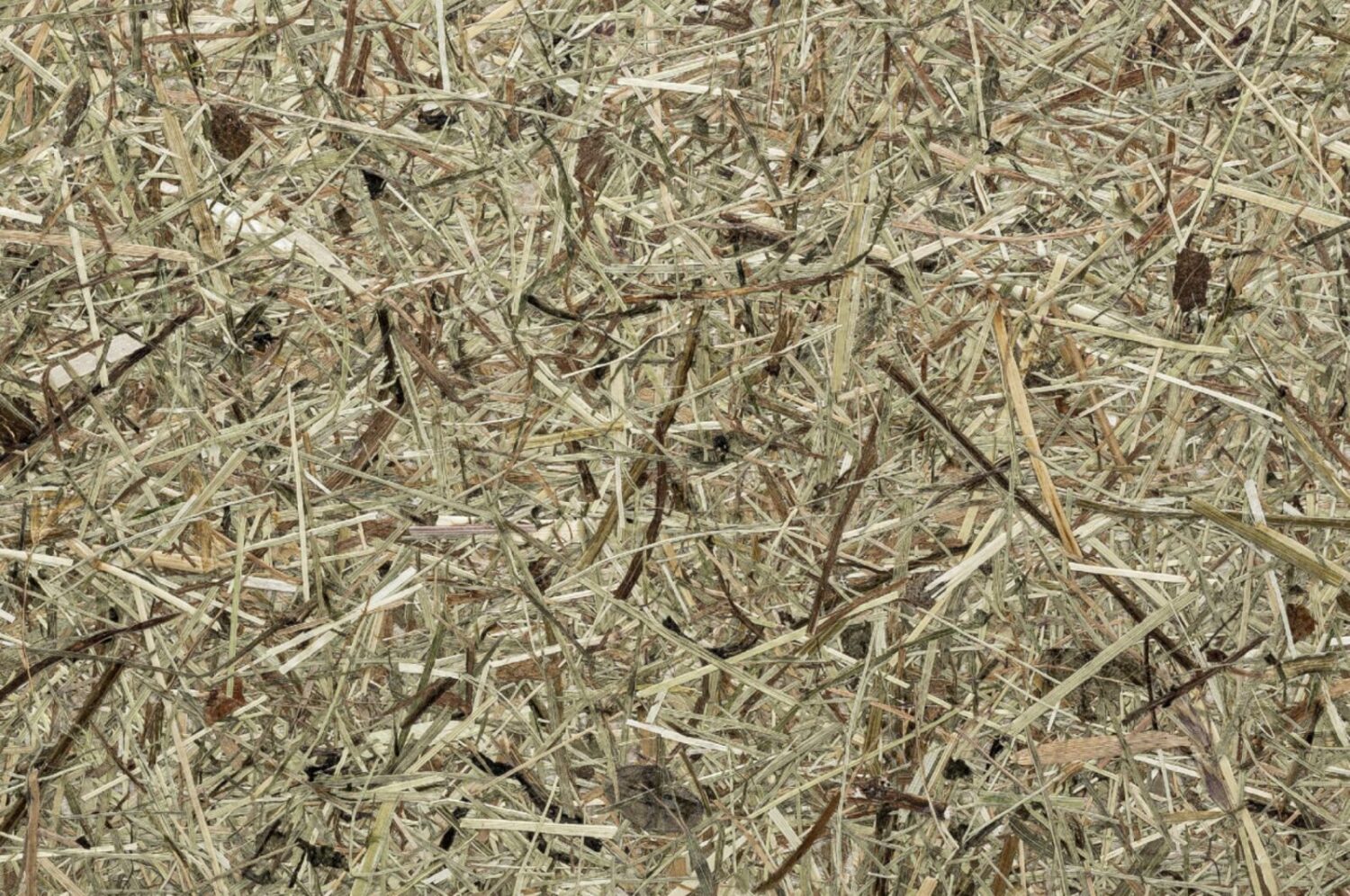
Wildspitze is a decorative surface made by Organoid Technologies and supplied through CaraGreen, built from real alpine hay, hand cut rather than machine harvested, pressed onto a flax fleece backing with a non toxic binder. It is the kind of material that risks being filed under “interesting but unverifiable,” the sort of biophilic product that photographs well and says little about its actual environmental performance.
That is not the case here. Wildspitze carries a third party verified Environmental Product Declaration and a fully completed Transparency Questionnaire on the 2050 Materials platform, putting a specifiable number behind almost every claim a biobased surface usually makes on reputation alone.
01A surface grown, not manufactured
Organoid’s bio surfaces are built in the Tyrolean Alps from three components layered together rather than synthesised. The Wildspitze pattern combines dried alpine hay, wildflowers and flax in a way that keeps each material doing a distinct structural job.
Alpine hay, hand cut
The visible surface layer: dried hay, cornflower petals and edelweiss cut by hand rather than machine harvested, which is why no two rolls look quite the same.
Flax fleece viscose carrier
The backing material the hay is applied to, giving the finished sheet enough structure to be handled and installed like a standard wallcovering.
Made for more than walls
Beyond wall covering, Wildspitze is specified as a decorative surface on wood based furniture panels, with further processing into acoustic elements also listed as an intended use.
02What the verified EPD shows
The product listing sits behind CaraGreen’s own description of Wildspitze, giving a specifier the manufacturing detail, the application guidance and the full lifecycle figures in one place rather than a datasheet to chase down separately.
Third party verified EPD
Breaking the total fossil footprint down by life cycle stage shows where that 2.225 kg is actually spent:
03Why this matters for specifiers
Decorative, nature derived surfaces are an easy category to be skeptical of, precisely because so much of the marketing around them leans on how a material looks and smells rather than what it measurably does. Wildspitze’s listing does not remove that skepticism, it answers it: a verified EPD, a completed Transparency Questionnaire, and life cycle figures broken down by module rather than bundled into a single headline number.
That’s also the practical case for 2050 Materials: a manufacturer’s certifications and declarations only matter if specifiers can actually find them, compare them against everyone else’s, and trust what they say, all in one place, rather than piecing it together from a product brochure and a sales call.
CaraGreen: The Natural Choice: Why Organoid Natural Wallcoverings Are Redefining Sustainable Surfaces
Product level data (GWP, mass, biogenic carbon, life cycle breakdown, circularity figures): Organoid GmbH Wildspitze listing, 2050 Materials platform
Related articles
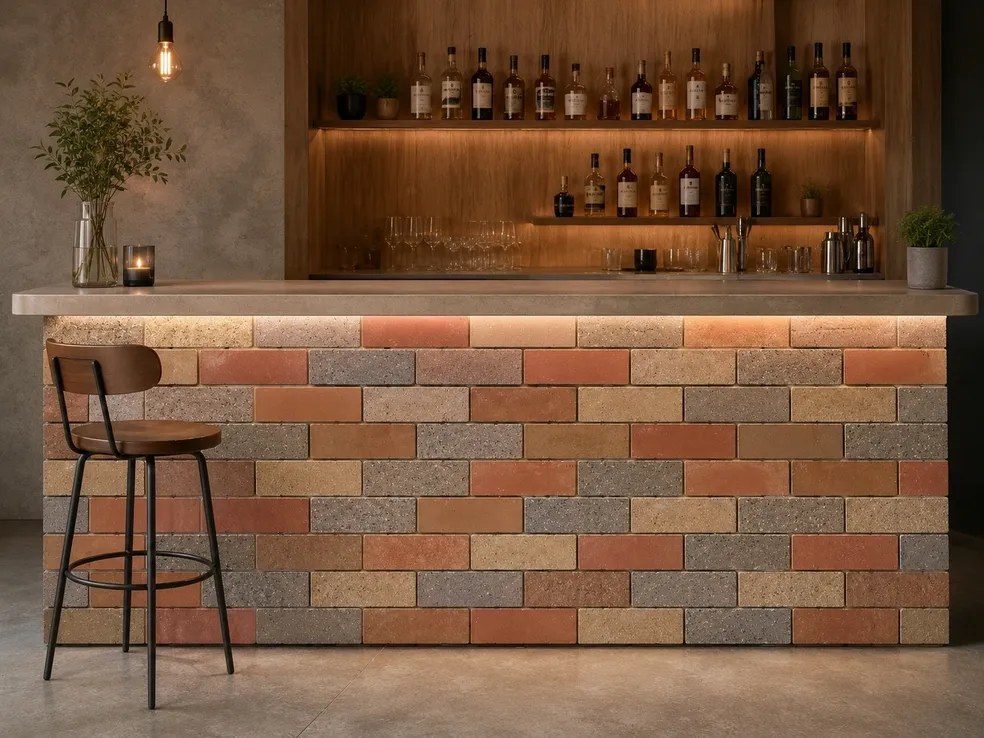
e4E Brick Slips: All the Brick, None of the Kiln
e4E makes brick slips from excavated soil, pressed rather than fired. See how they are made, the formats you can specify and the verified EPDs behind the range.
Read more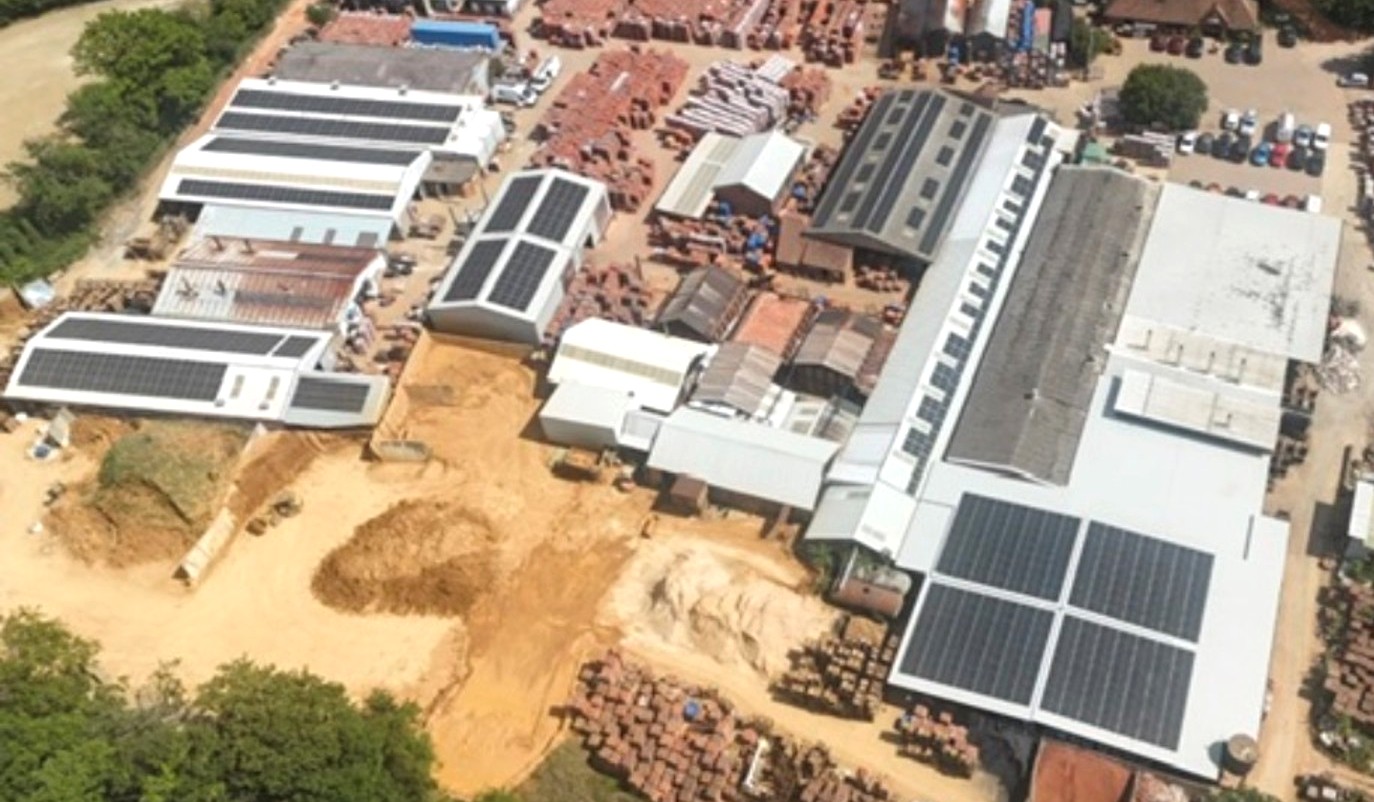
H.G. Matthews: Beyond the EPD
H.G. Matthews' new solar-biomass energy system at The Brickworks, Bellingdon is cutting diesel use and lowering embodied carbon, the latest step in a track record of measurable, verified environmental improvement backed by published EPDs.
Read more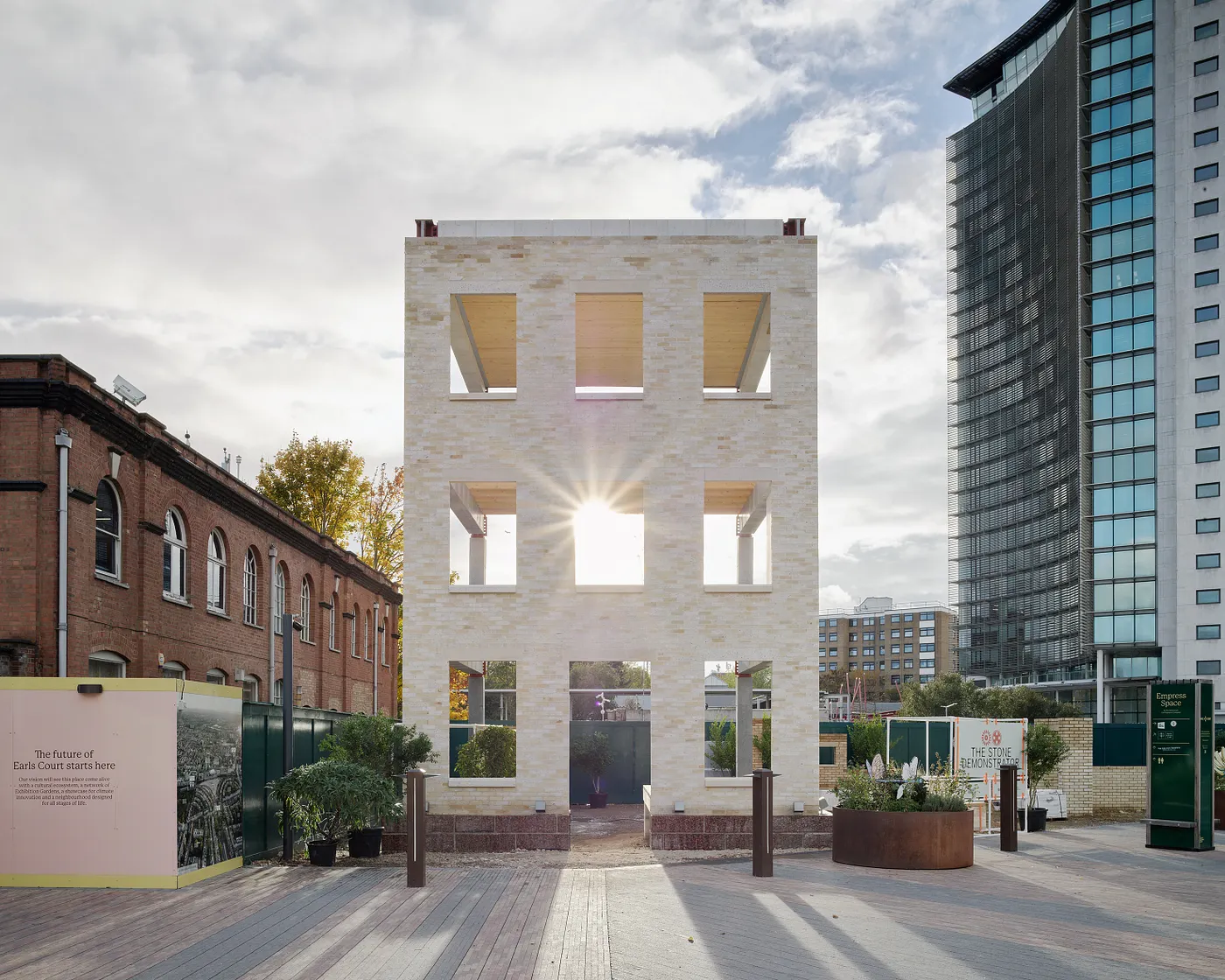
Hutton Stone and the Stone Demonstrator: Building the Case for Structural Stone
Hutton Stone contributes to the Stone Demonstrator, showcasing how structural stone can reduce embodied carbon while rethinking modern construction systems.
Read more