H.G. Matthews: Beyond the EPD
At The Brickworks in Bellingdon, on the edge of the Chiltern Hills, a new 300kW solar PV array now sits above a production line that has been decarbonising for over a decade. But this is not really a story about solar panels. It is a story about what happens after a manufacturer publishes an Environmental Product Declaration (EPD), and why the most meaningful manufacturers treat that publication as the beginning of continuous improvement rather than the finish line.
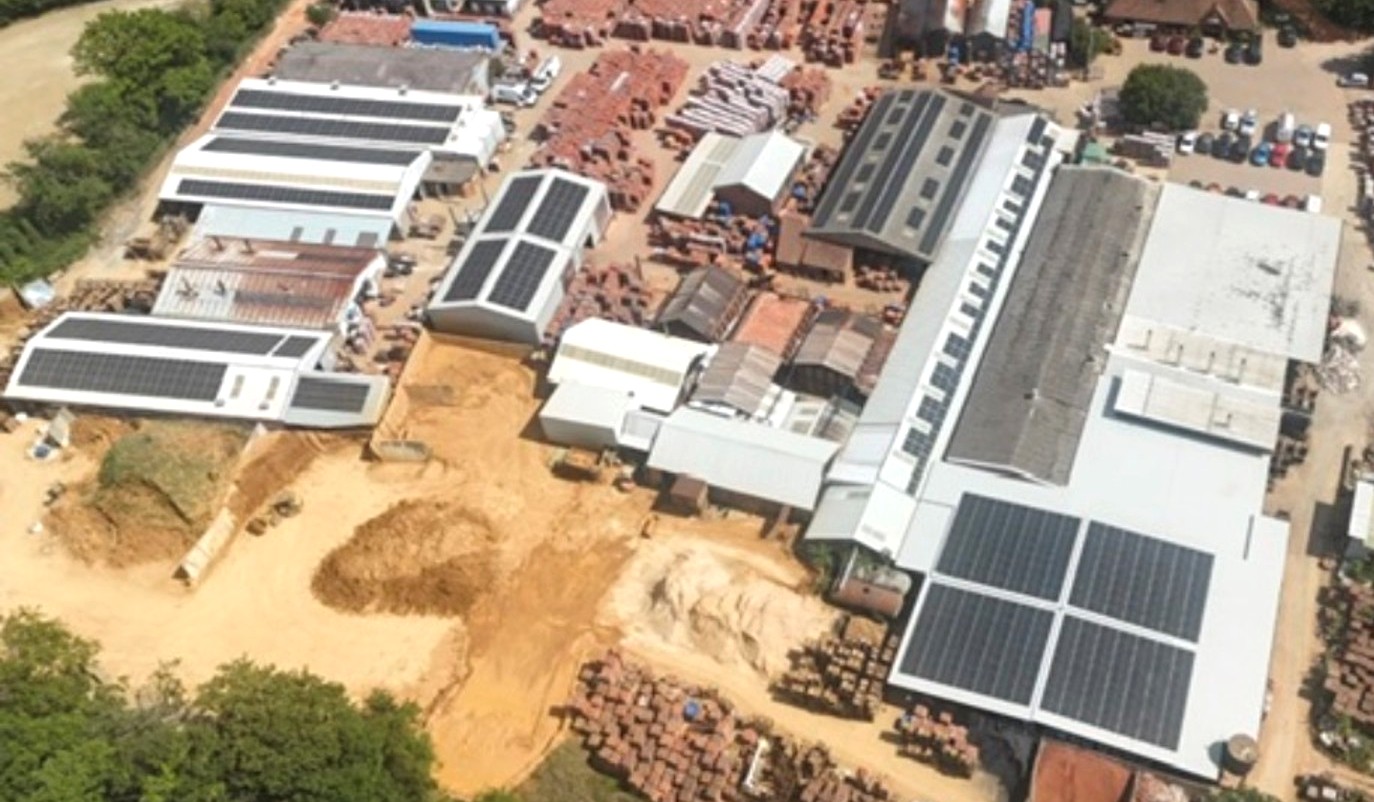
The new 300kW solar PV installation at The Brickworks, Bellingdon.
The new solar installation is the latest example of that philosophy. For H.G. Matthews, an EPD is a verified snapshot of environmental performance at a specific point in time. Operational improvements such as renewable energy generation, smarter energy management and process optimisation create measurable reductions that can feed into future EPD updates, progressively lowering the reported embodied carbon over time. Viewed through that lens, the solar project becomes evidence of a much broader commitment: continuous decarbonisation backed by verified data.
EPDs Are Living Documents
An EPD is often treated as a finished document: a number, a certificate, a PDF to drop into a specification. In reality, it’s a snapshot, a rigorously verified record of a product’s environmental performance based on measured operational data at a fixed point in time. H.G. Matthews already has three third-party verified EPDs published via the 2050 Materials platform, covering its Strocks, Woodfired Bricks, and Handmade & Machine Made Bricks ranges. Each reflects the manufacturing conditions under which it was calculated.
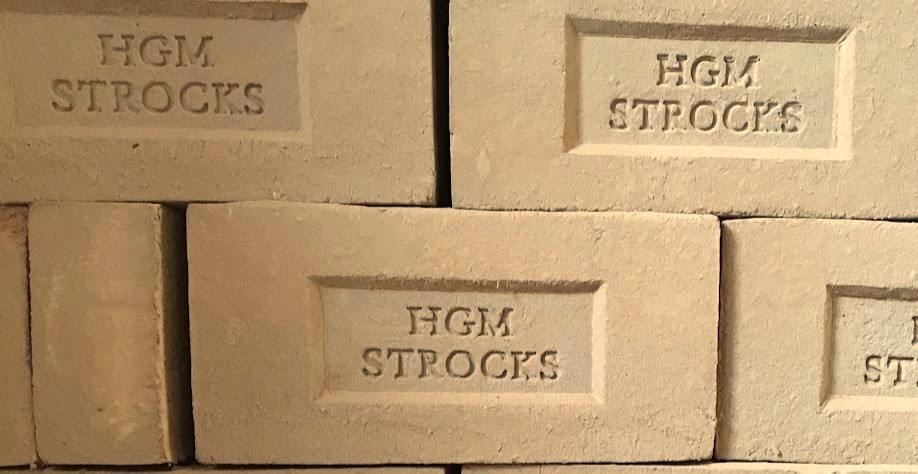
H.G. Matthews Strocks, one of the product ranges covered by the company’s third-party verified EPDs.
That’s precisely why the solar installation matters more than it might first appear. Once a full year of generation and meter data has been collected, that data can feed directly into updated EPD calculations, quantifying the actual impact of the new renewable capacity and, where the numbers support it, lowering the reported embodied carbon of the products themselves. For a specifier comparing declarations, the distinction between a static certificate and a manufacturer actively engaged in EPD optimisation, the ongoing process of improving the number behind it, is worth paying attention to.

Woodfired House, showcasing H.G. Matthews’ bricks. Photo: Ben Pentreath.
Decarbonisation Beyond Solar Panels
The more technically interesting part of this project isn’t the panels, it’s what happens to the electricity they produce. Rather than exporting surplus generation to the grid or depending on battery storage, H.G. Matthews is routing excess solar power into buffer tanks connected to its existing biomass boiler network. The stored heat functions as thermal energy storage, effectively turning surplus daytime electricity into usable process heat for brick drying, on demand, without the cost or degradation profile of chemical batteries.
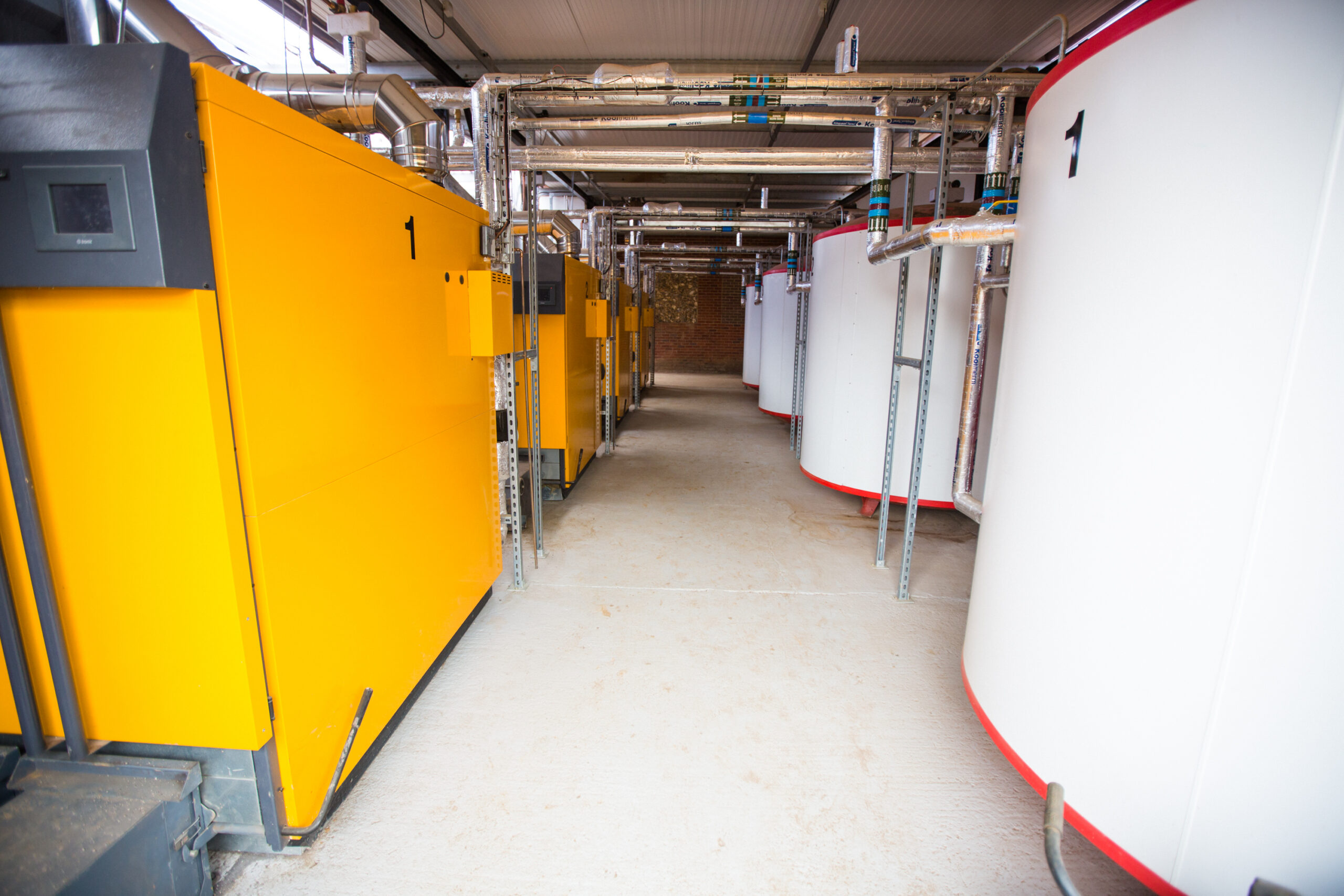
Energy infrastructure at The Brickworks, Bellingdon, where solar generation is integrated with the site’s existing biomass boiler network.
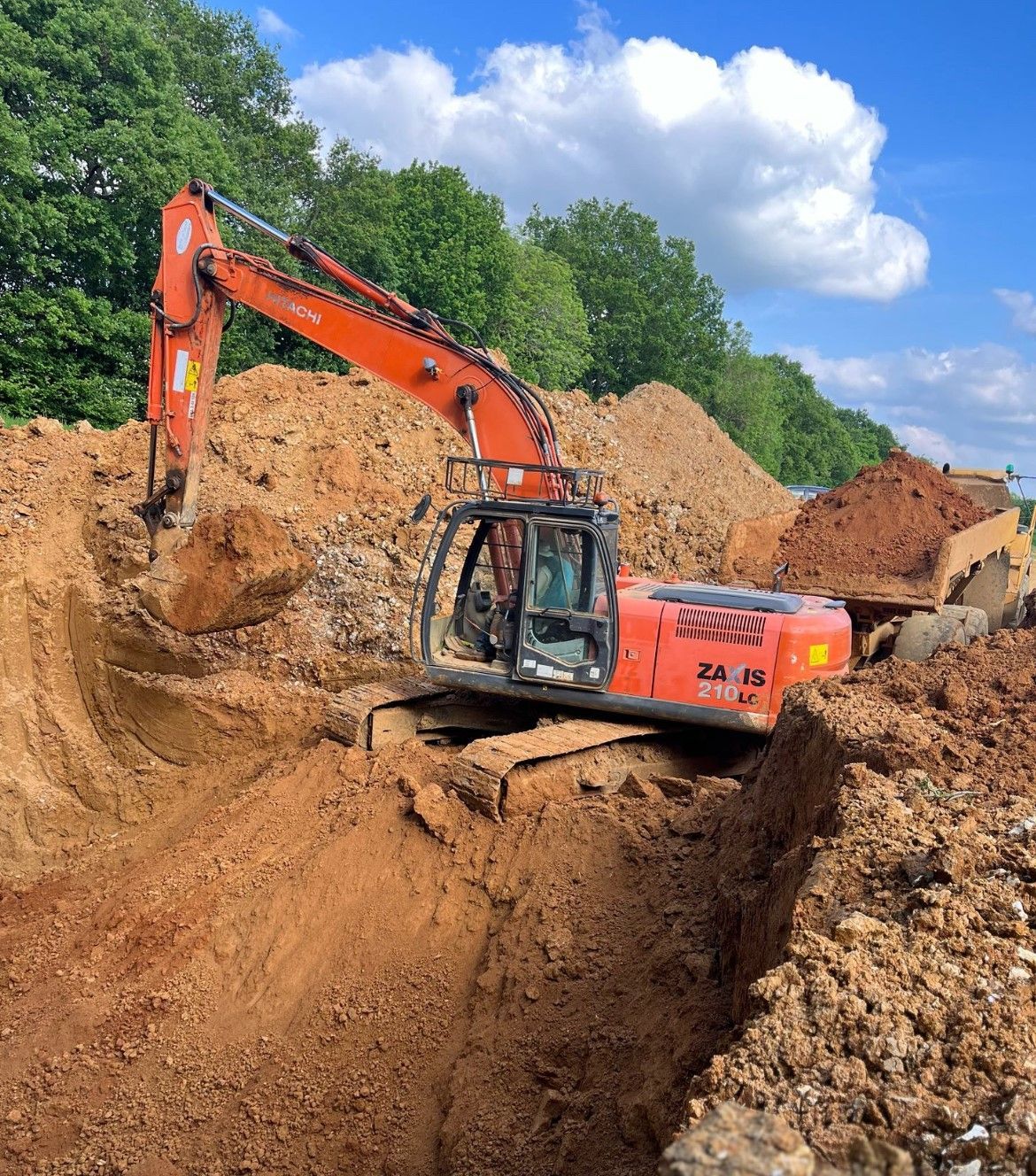
Chiltern Hills clay extraction at The Brickworks, Bellingdon, the raw material behind every H.G. Matthews brick.
It’s a pragmatic piece of engineering adapted to the particular needs of this business, and reflects a manufacturer thinking in terms of systems rather than components individually. Solar generation peaks in the middle of the day, while drying demand runs around the clock; biomass heat is available on tap, but relies on an increasingly costly fuel resource. Linking the two through the buffer tanks means less renewable energy goes to waste and less wood needs to be burned to hit the same drying targets, a distinctly forward-thinking approach that treats energy supply as something to be actively engineered, not simply procured.
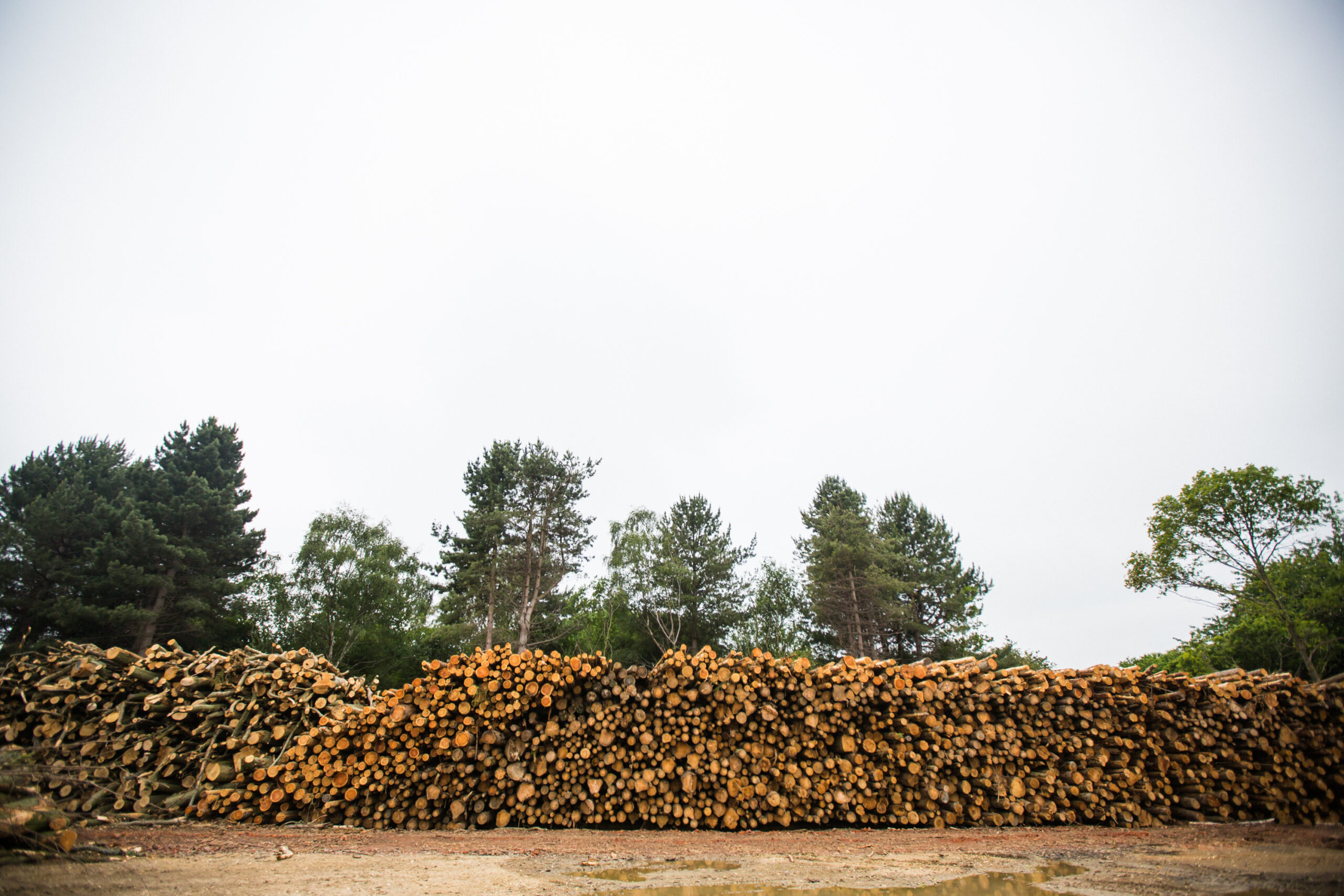
Biomass fuel at The Brickworks, Bellingdon, where biomass energy contributes to reduced diesel use in production.
Why This is Important for Embodied Carbon
Cleaner manufacturing processes contribute directly to lower embodied carbon, the figure architects and contractors increasingly rely on when comparing material choices. Every reduction in diesel, grid electricity or wasted heat at the brickworks feeds into that number.
As H.G. Matthews accumulates a full year of operational data from the solar-biomass pairing, that data has a direct route into its next EPD updates. This is the mechanism by which investment in clean energy becomes a specifiable number: not just a claim in a sustainability report. It is a verified figure in a published declaration that a specifier can cite with confidence, a clear demonstration of EPD optimisation in practice.
Transparency Meets Continuous Improvement
None of this happened in isolation. Alongside the installation of the solar panels, H.G. Matthews’ three verified EPDs also reflect the planting of around 25 acres of native broadleaf woodland replanted on former clay extraction land, roughly one million litres of rainwater harvested annually for use in production and the saving of 30,000 litres of diesel per month through the use of biomass energy. Individually, these are worthwhile initiatives. Collectively, they describe a company culture where environmental performance is treated as an ongoing operational discipline, rather than a one-off achievement to be announced and then left alone. The solar and thermal storage investment is best read as the newest instalment in that pattern, not a standalone initiative.

H.G. Matthews has planted around 25 acres of native broadleaf woodland on former clay extraction sites
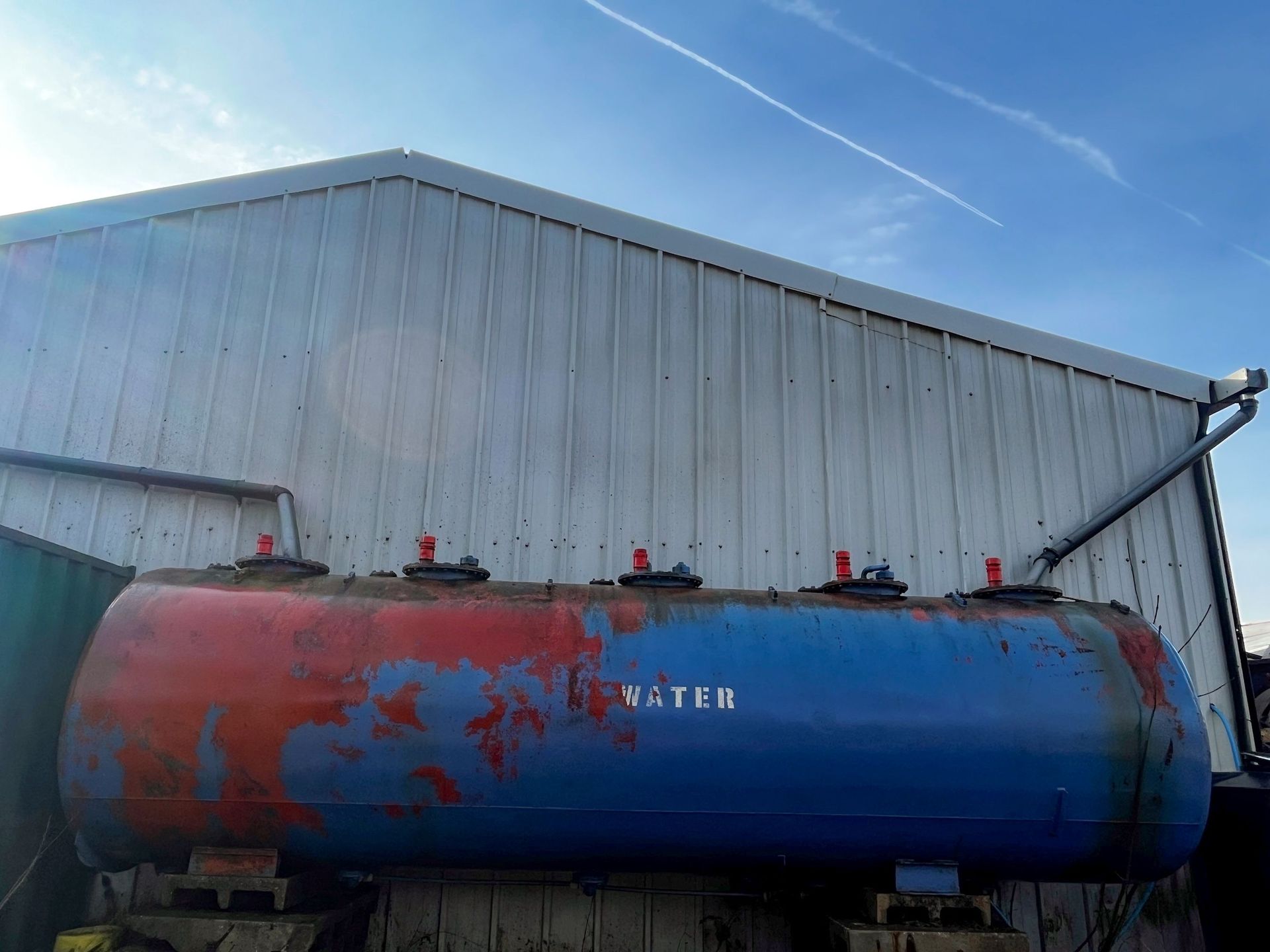
Around one million litres of rainwater are harvested annually from the brickworks’ roofs and reused in production.

Wood provides the perfect solution as a fully renewable, locally available source of energy
Making Environmental Data Easier to Access
Verified data is only useful if specifiers can actually find it. H.G. Matthews’ EPDs are published directly on the 2050 Materials platform, with each product linking straight to its verified declaration: Strocks, Woodfired Bricks, and Handmade & Machine Made Bricks. That means architects, specifiers and contractors evaluating material choices at the design stage can move from product to verified data in a single click, rather than requesting documentation and waiting for the answers.
As embodied carbon reporting becomes a routine part of project sign-off rather than a niche concern, that kind of accessibility is becoming as important to specifiers as the numbers themselves, and it’s another expression of the same EPD optimisation principle: verified information kept current and easy to reach, not filed away and forgotten.
Looking Ahead
For H.G. Matthews, EPD optimisation is a tool used to measure, improve, re-verify and repeat. Over the coming year, meter data from the solar-biomass system will accumulate into a body of evidence substantial enough to update the company’s published EPDs, giving architects and specifiers a rare thing in the sector, a manufacturer whose environmental declarations are demonstrably improving, backed by measured data rather than marketing. For a manufacturer in its second century, it’s a fitting way to keep proving the case.
Explore H.G. Matthews‘ verified EPDs on 2050 Materials platform and see how transparent environmental data supports better material decisions.
Related articles
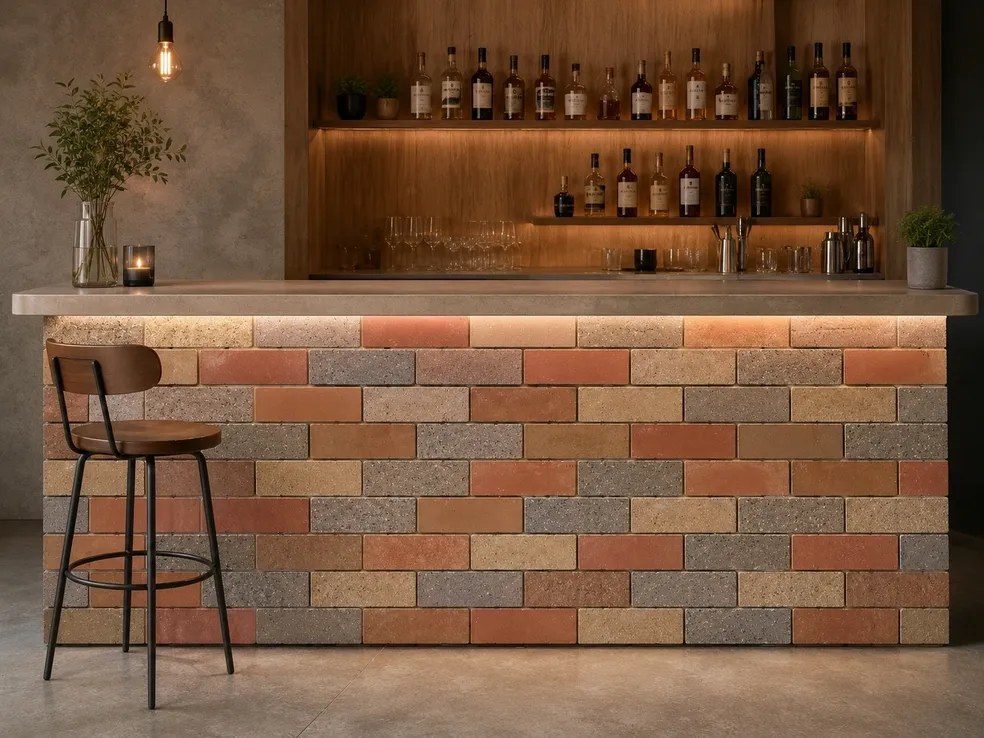
e4E Brick Slips: All the Brick, None of the Kiln
e4E makes brick slips from excavated soil, pressed rather than fired. See how they are made, the formats you can specify and the verified EPDs behind the range.
Read more
CaraGreen’s Organoid Wildspitze: A Wallcovering Grown, Not Manufactured
CaraGreen's Organoid Wildspitze is a wallcovering made from hand cut alpine hay, backed by a third party verified EPD showing 2.2 kg CO2e/m² GWP and stored biogenic carbon.
Read more
Hutton Stone and the Stone Demonstrator: Building the Case for Structural Stone
Hutton Stone contributes to the Stone Demonstrator, showcasing how structural stone can reduce embodied carbon while rethinking modern construction systems.
Read more