Digital Product Passports Are Not the End State: Construction Teams Need Usable Material Data Now
Digital Product Passports are becoming part of the construction-product conversation. That is useful. But the passport is not the outcome.
The outcome is usable material data inside project workflows.
The difference matters. A passport can carry product information. It does not automatically make that information useful to a designer comparing options, a contractor pricing a package, a procurement lead reviewing suppliers, or a digital team feeding a model, BoQ or dashboard.
This is the practical gap now opening in the market.
Product information is moving toward evidence
In May 2026, the European Commission’s CPR Acquis training on environmental sustainability provisions focused on documentation, third-party validation, digitalisation of information and integration into Digital Product Passports.
That combination is important: documentation, validation, digitalisation and integration. It is not enough for product data to exist. It has to be structured, trusted and usable across systems.
The same pressure is visible in the UK. The UK Net Zero Carbon Buildings Standard announced Version 1 on 10 March 2026, and its current resource suite says the submission proforma captures the numerical evidence required to demonstrate conformity.
This is where the direction of travel becomes clear. Carbon claims are being pulled toward evidence. Evidence is being pulled toward structured data. Structured data is being pulled toward project delivery.
Passports are containers, not workflows
A Digital Product Passport can help answer the question: “what information is attached to this product?”
But construction teams usually need to answer more operational questions:
- Does this product match the specification?
- Can it be compared with another product on the same basis?
- Does the declared data map to the quantity and unit in the BoQ?
- Is this generic assumption still acceptable, or should we now use product-specific evidence?
- Can this data be reused for the next project?
- Can it flow into BIM, cost planning, procurement and verification?
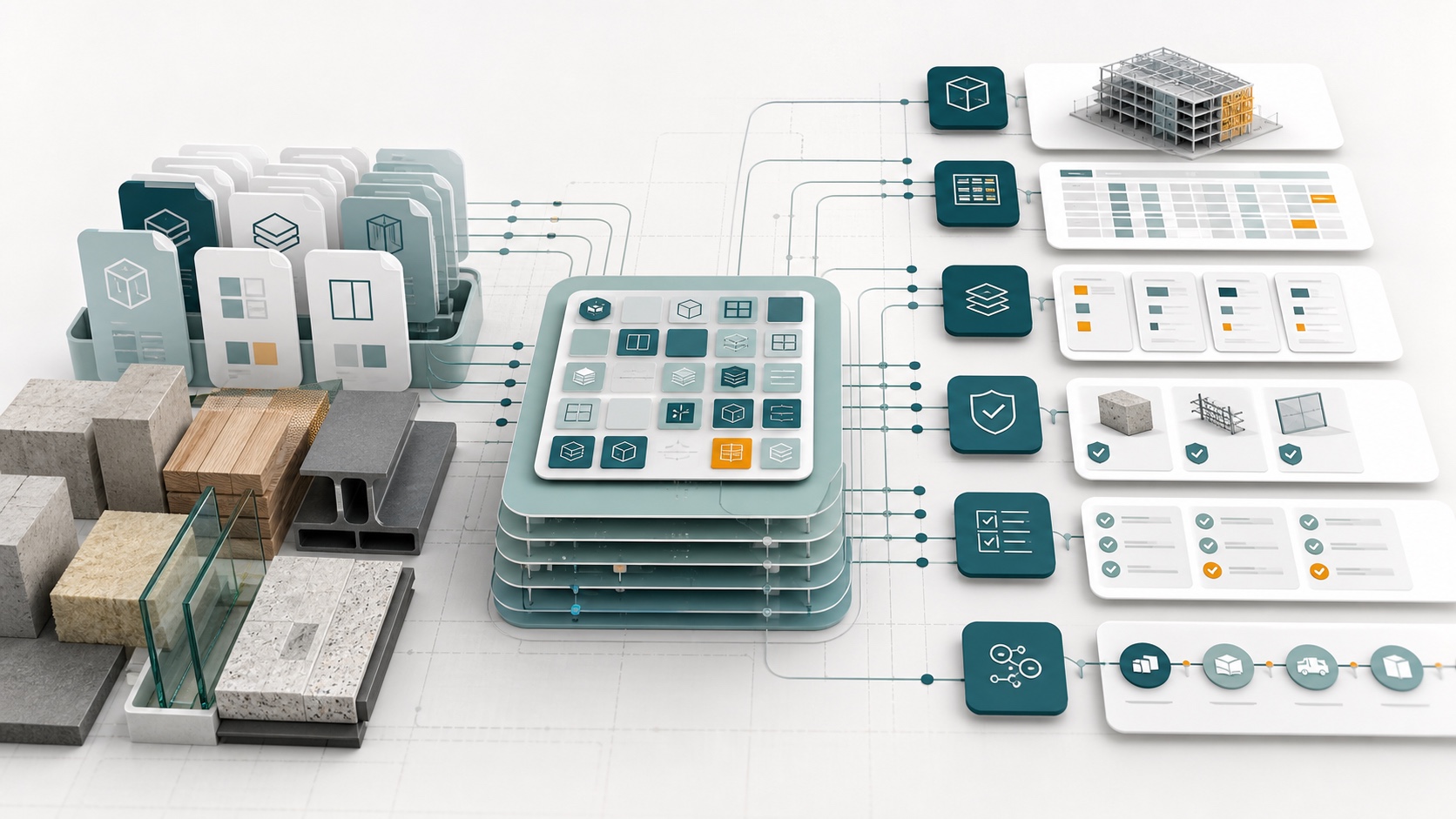
Those are workflow questions. They require a product-data layer, not only a product-data container.
Circularity shows why records need to survive the project
On 17 April 2026, Wates announced a nationwide rollout of a circular-economy platform to help teams identify, track and reuse materials from demolition, refurbishment and construction projects. The announcement points to material visibility and analytics across landfill diversion, weight, volume and carbon data.
That is the kind of signal Digital Product Passport conversations should pay attention to.
For reuse to work at scale, material records need to survive handover. A team needs to know what was installed, what it is made of, what evidence exists, whether it can be recovered and how it compares with alternatives.
If the record is just a PDF attachment, reuse stays manual. If the record is structured and matchable, it can support circularity, reporting and future specification decisions.
Supplier evidence is becoming a procurement issue
On 19 March 2026, STRABAG said its validated climate targets include emissions from purchased construction materials, with low-emission materials, efficient planning and closer supply-chain collaboration identified as part of its reduction pathway.
That points to the same operational problem from a different angle.
If purchased construction materials sit inside the value-chain emissions challenge, procurement teams need more than a product passport stored somewhere. They need comparable product evidence that can be searched, matched and applied to real project records.
They need to know which supplier data is current, which product record is relevant, and where generic assumptions are still being used.
Sustainability data needs to become operating data
On 6 May 2026, Arcadis announced a sustainability-data partnership and framed the problem clearly: many organisations can report sustainability data, but fewer use that data to guide operations, supply chains and capital decisions.
That is exactly the challenge for construction material data.
A passport can improve availability. A reporting framework can improve accountability. But neither automatically gets data into the decision point.
For construction teams, usable material data has to connect to:
- early-stage estimates;
- BoQs and cost plans;
- material categories and assemblies;
- product-level EPD and certification records;
- BIM objects and model exports;
- procurement packages and supplier returns;
- verification and handover records.
That is the gap between data compliance and data infrastructure.
What usable material data looks like
Usable material data is structured. Product records, EPDs, certifications, generic materials and assemblies need consistent fields.
It is transparent. Teams need to know where a number came from and when it should be used.
It is matchable. Construction records are messy. BoQ lines, cost items, model exports and supplier descriptions rarely arrive in clean sustainability categories.
It supports maturity. Early design needs generic material values. Procurement needs product evidence. Verification needs an audit trail.
It is available through an API. Large construction firms and consultancies are building internal systems, and they need data that can feed those systems directly.
Where the data layer fits
2050 Materials provides construction sustainability data across product records, generic materials, assemblies and automated matching.
The goal is not to replace every workflow with another sustainability portal. The goal is to provide a transparent data layer that can be used by the tools teams already rely on: BIM workflows, cost plans, BoQs, procurement systems, dashboards and project evidence packs.
Digital Product Passports can help the sector carry product information more consistently.
But construction teams need usable material data now.
Next step
If your team is preparing for product passports, net-zero verification or supplier carbon reporting, start with the data layer: product evidence, generic materials, assemblies and matching that can flow into project workflows through an API.
Sources Used
- European Commission, 27 May 2026: CPR Acquis training on environmental sustainability provisions and Digital Product Passports
- UK Net Zero Carbon Buildings Standard, 10 March 2026: Version 1 announcement
- UK Net Zero Carbon Buildings Standard, March 2026: Version 1 resource suite and submission proformas
- Wates, 17 April 2026: nationwide circular-economy platform rollout
- STRABAG, 19 March 2026: SBTi-validated climate targets
- Arcadis, 6 May 2026: sustainability-data partnership
Related articles
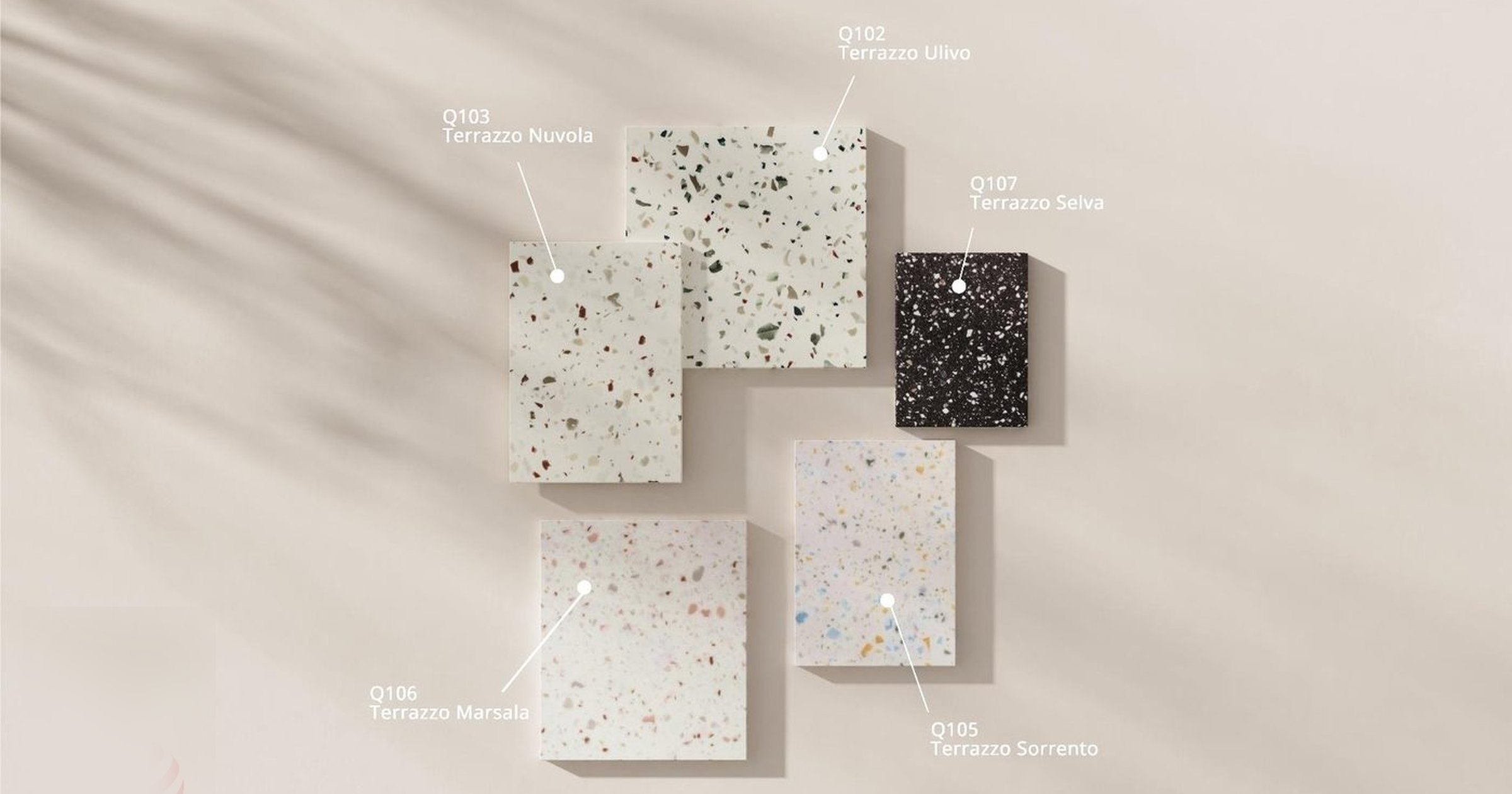
Inside HIMACS’ 2026 range: 15 new colours, five Red Dot wins
Five HIMACS Terrazzo colours won a Red Dot Design Award 2026, and four carry SCS-certified recycled content. See the full 2026 range and the EPD data behind it.
Read more
e4E Brick Slips: All the Brick, None of the Kiln
e4E makes brick slips from excavated soil, pressed rather than fired. See how they are made, the formats you can specify and the verified EPDs behind the range.
Read more
CaraGreen’s Organoid Wildspitze: A Wallcovering Grown, Not Manufactured
CaraGreen's Organoid Wildspitze is a wallcovering made from hand cut alpine hay, backed by a third party verified EPD showing 2.2 kg CO2e/m² GWP and stored biogenic carbon.
Read more