From PAS 2080 to Procurement: Why Carbon Management Now Needs Product Data Infrastructure
Carbon management in construction is moving from policy into delivery.
The clearest recent signal is the way contractors are connecting carbon commitments to project governance, design decisions, supplier engagement and material choices. On 8 April 2026, Laing O’Rourke announced PAS 2080:2023 certification for its carbon management process, saying its process had been externally audited and that clients should be able to have confidence in its approach to carbon reduction across projects and the value chain.
That matters because PAS 2080 is not just a label. It is a management system. It asks organisations to bring carbon into how projects are governed, designed, procured and delivered.
In its 2026 decarbonisation plan, Costain describes low-carbon material pathways being embedded into design, procurement and delivery. The same plan sets out actions around supplier collaboration, PAS 2080 application, digitalised sustainability project-control data, material transition plans for hotspots, and whole-life carbon cost in design sign-off.
On 19 March 2026, STRABAG said its SBTi-validated climate targets include value-chain emissions from purchased construction materials, and pointed to low-emission materials, efficient planning and closer supply-chain collaboration as part of the reduction pathway.
On 17 April 2026, Wates announced a nationwide rollout of a circular-economy platform to help teams identify, track and reuse materials across demolition, refurbishment and construction projects, with analytics covering landfill diversion, weight, volume and carbon data.
Different signals, same direction: carbon management is becoming a data workflow.
The problem is no longer awareness
Most major construction teams now understand the carbon issue. The harder problem is operational.
How does a preconstruction team compare options before exact products are known? How does procurement challenge a supplier without making every package a spreadsheet exercise? How does a sustainability lead maintain an evidence trail that can survive audits, client reporting and handover? How does a digital team feed reliable carbon information into internal tools without building and maintaining an entire environmental product database from scratch?
Those questions sit between teams. They do not belong to sustainability alone.
That is why carbon management now needs product data infrastructure.
Early decisions need generic data. Procurement needs proof.
At early design stage, teams often know quantities, systems and broad materials before they know exact products. They need transparent generic material data, regional assumptions and assembly-level values that are good enough to guide design and cost decisions.
Later, the same estimate has to mature. A generic concrete factor needs to become a concrete mix. A steel assumption needs to become a supplier proposal. A facade allowance needs to become product evidence. The project team has to know which assumptions are still provisional and which are now backed by product-level data.
This transition is where many workflows break.
The early carbon model, cost plan, BoQ, procurement schedule and supplier evidence pack often live in different systems. Even when the numbers are good, the connection between them is weak.
Procurement is becoming the stress test
The most useful procurement question is not “what is the carbon number?”
It is: “can we compare, defend and reuse this evidence?”
That is a higher bar. A procurement team needs to compare alternatives without losing context. Declared units, lifecycle modules, geography, standards, EPD status, product family and specification match all matter. A sustainability team needs the evidence trail. A commercial team needs to understand the cost-carbon trade-off. A digital team needs the data in a form that can be integrated.
If every project starts from a new spreadsheet, the workflow will not scale.
Carbon management now has three data layers
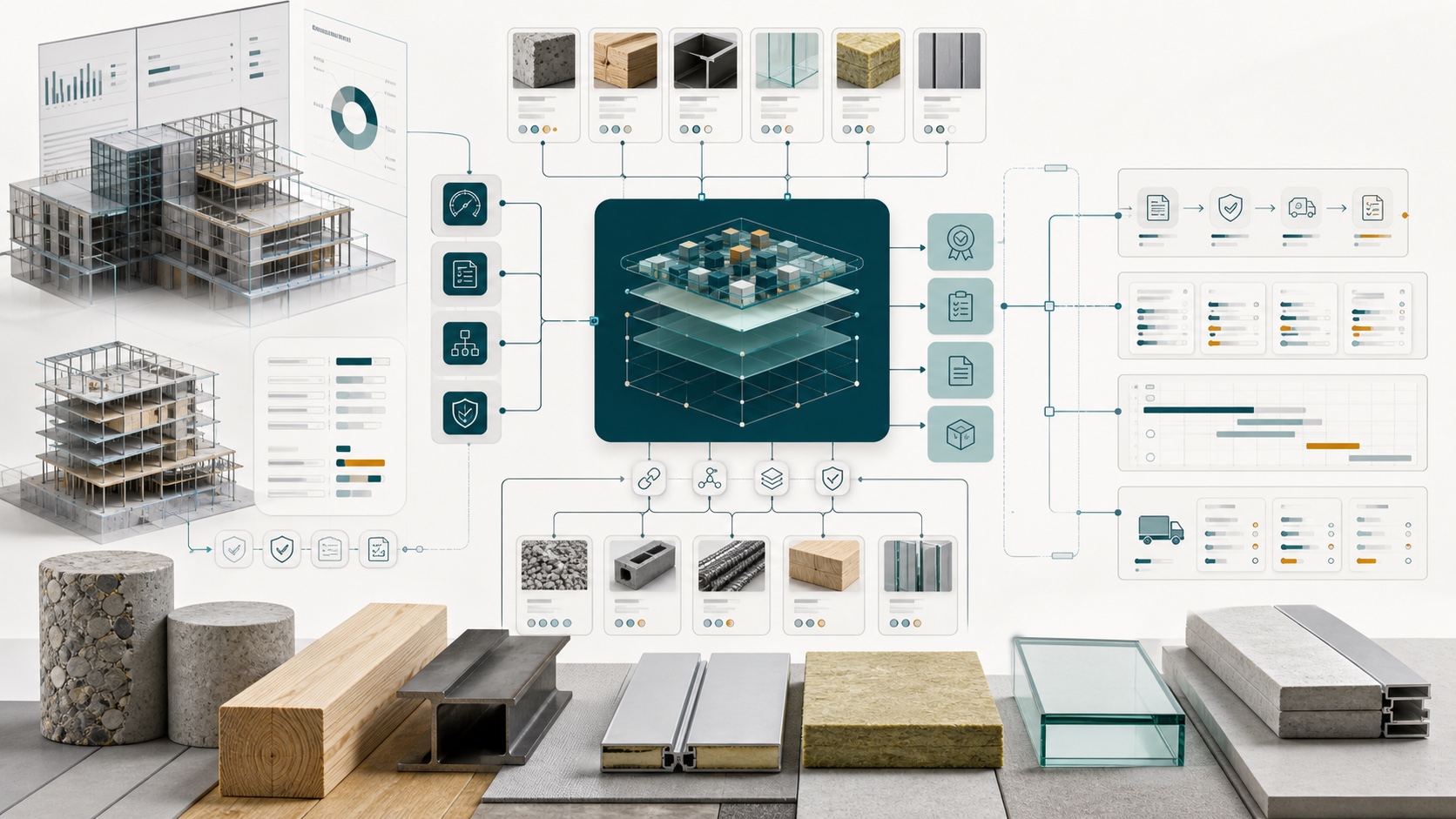
The first layer is generic material and assembly data. This supports early-stage design, option appraisal and estimating before exact products are selected.
The second layer is product-level evidence. This includes EPDs, certifications and verified product records that can support specification, procurement, supplier engagement and project reporting.
The third layer is matching and integration. Most project data arrives as BoQs, descriptions, cost plans, invoices, model exports and procurement lists. A useful data layer has to match messy records to credible material categories, assemblies or product records without forcing teams into another manual process.
This is why the next step is not just another carbon dashboard.
A dashboard can present the answer. It cannot fix a fragmented data foundation.
What the best teams are implicitly asking for
The recent signals point toward five requirements.
First, teams need data that supports both early design and procurement. Generic averages are necessary early, but not enough when product evidence is available.
Second, they need transparent sources. If a factor cannot be explained, it is hard to defend.
Third, they need carbon and cost to share a workflow. Carbon cannot sit in a specialist spreadsheet if the decision is happening in a cost plan or package review.
Fourth, they need supplier evidence to be reusable. A product record should not be re-entered for every project.
Fifth, they need API access. Large contractors and consultancies are building their own systems, portals, dashboards and project controls. They need sustainability data that can be integrated, not just viewed.
Where the data layer fits
2050 Materials is built around that infrastructure gap: product data, generic material data, assemblies, automated matching and API-ready workflows for construction sustainability data.
For sustainability teams, the value is less manual evidence hunting and more repeatable carbon management.
For preconstruction and estimating teams, the value is bringing carbon closer to cost and quantity decisions.
For procurement teams, the value is product evidence that can be searched, compared and reused.
For digital teams, the value is a structured data layer that can connect to internal tools rather than becoming another disconnected platform.
Carbon management is becoming project infrastructure. The bottleneck is whether material and product data can move at the same speed as the project.
Next step
If your carbon workflow is moving from reporting into delivery, 2050 Materials can help connect generic material factors, product evidence, assemblies and BoQ matching into the systems your teams already use.
Sources Used
Related articles
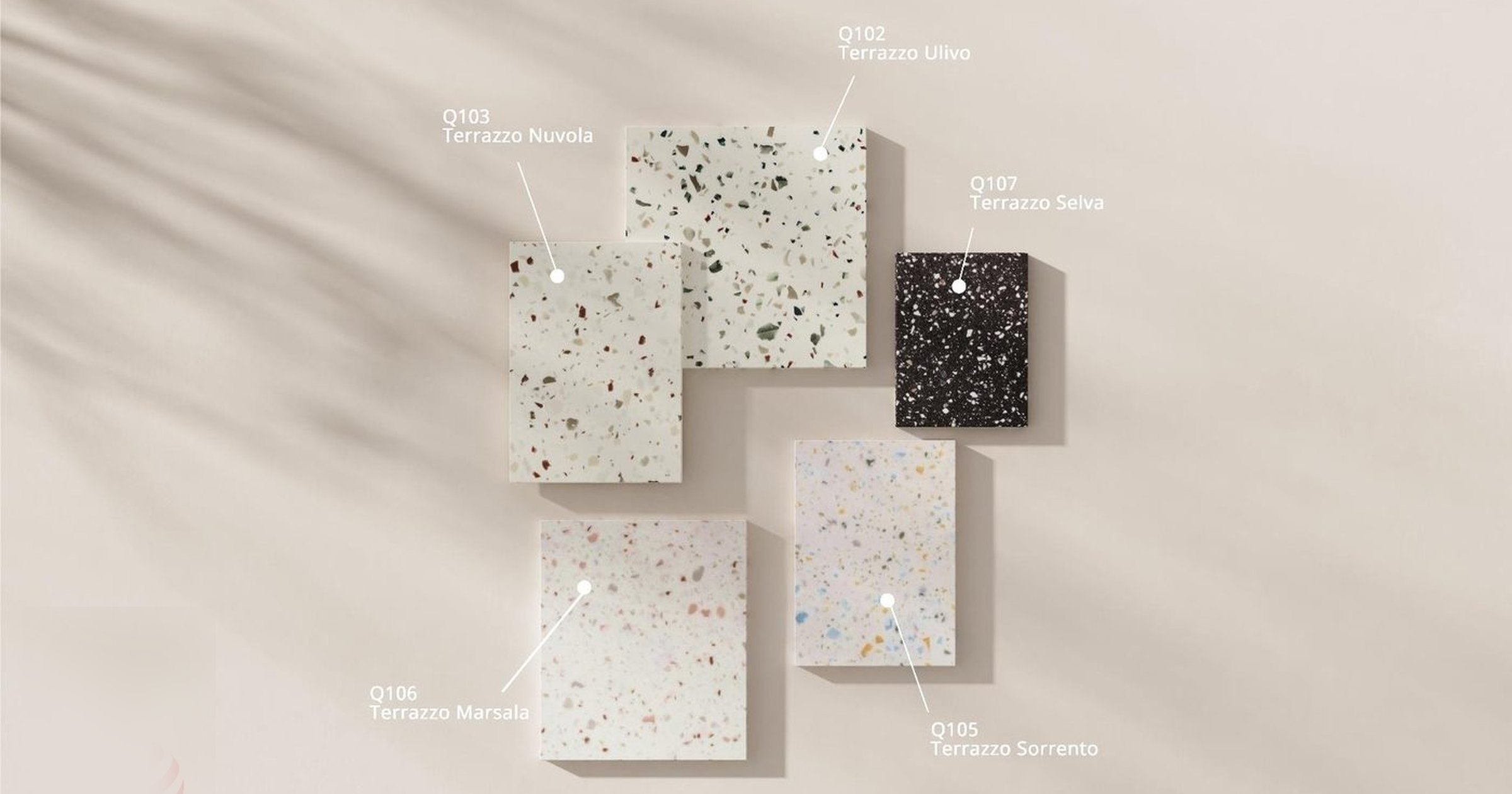
Inside HIMACS’ 2026 range: 15 new colours, five Red Dot wins
Five HIMACS Terrazzo colours won a Red Dot Design Award 2026, and four carry SCS-certified recycled content. See the full 2026 range and the EPD data behind it.
Read more
e4E Brick Slips: All the Brick, None of the Kiln
e4E makes brick slips from excavated soil, pressed rather than fired. See how they are made, the formats you can specify and the verified EPDs behind the range.
Read more
CaraGreen’s Organoid Wildspitze: A Wallcovering Grown, Not Manufactured
CaraGreen's Organoid Wildspitze is a wallcovering made from hand cut alpine hay, backed by a third party verified EPD showing 2.2 kg CO2e/m² GWP and stored biogenic carbon.
Read more