UK’s First Project Using e4E Bricks That Absorb CO₂
Carbon capture at the material level is moving from research into real-world application. In the UK, the first completed project using a new range of carbon negative bricks that absorb CO₂ directly from the air has now been delivered, demonstrating how building materials themselves can actively contribute to decarbonisation.
The project was developed by earth4Earth (e4E) in partnership with Sustainable Ventures, the UK’s leading growth partner for climate tech start-ups, and highlights the installation of e4E’s carbon absorbent bricks in a live setting. Each N10 e4E brick permanently stores approximately 0.178 kg of CO₂, resulting in a net-negative carbon footprint per unit.
The Project: A Carbon-Capturing Wall in Manchester
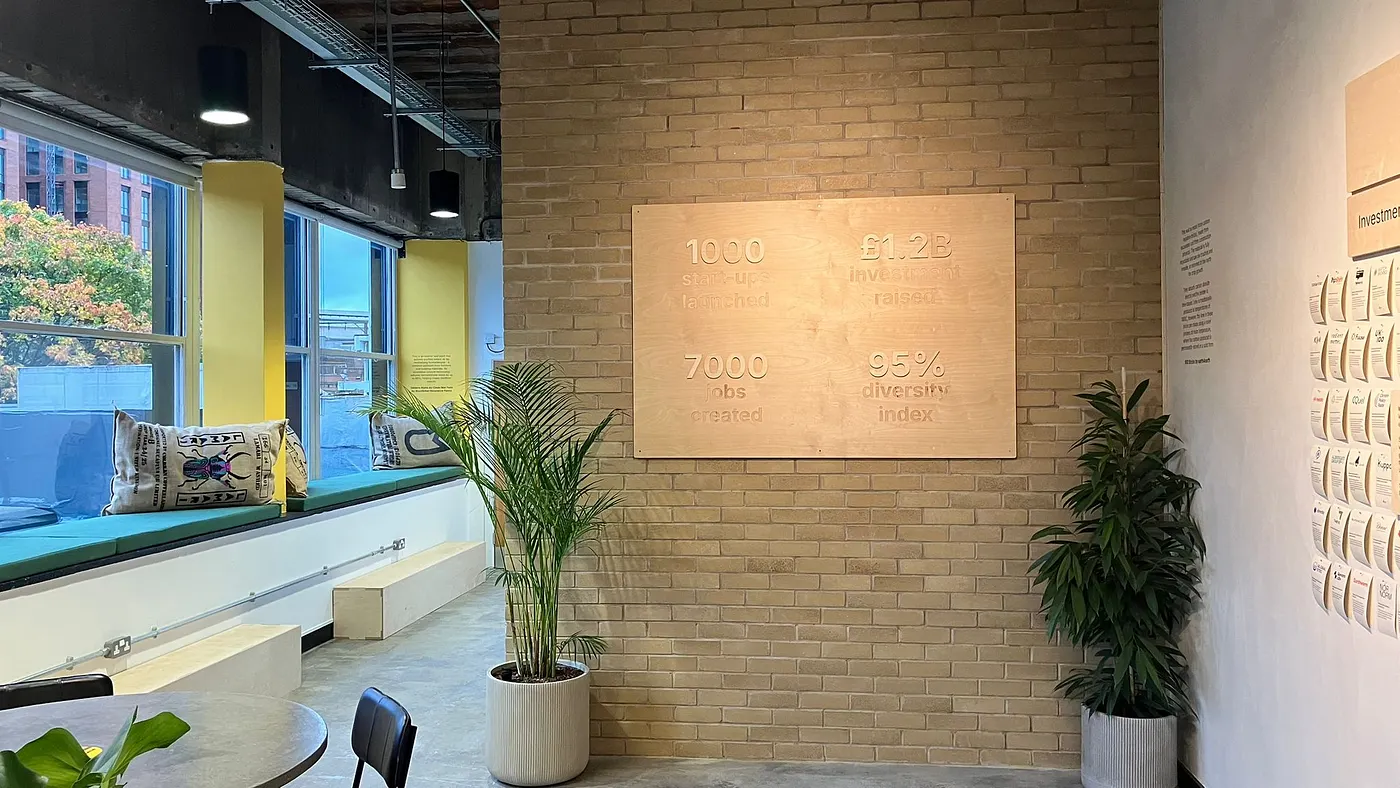
The installation consists of a 4 × 4 metre wall clad with 1,200 earth4Earth bricks at Sustainable Ventures’ offices in Manchester. Beyond serving as a physical demonstration, the wall continuously captures and stores CO₂ from the air over time.
Each brick absorbs approximately 0.178 kg of CO₂, resulting in a total of 213.6 kg of CO₂ absorbed by the wall; an amount comparable to the carbon footprint of producing 760 cups of coffee.
Material Innovation Behind the Bricks
earth4Earth’s bricks are produced using excavated soil that would otherwise be sent to landfill, combined with a proprietary binder developed by the company.
While the binder is lime-based, similar to many traditional construction materials, earth4Earth has developed a decarbonised production process that operates at room temperature. This contrasts with conventional lime production, which typically requires temperatures above 900°C. By avoiding high-temperature processing, the resulting bricks achieve a carbon negative profile.
Product Range and Environmental Verification
earth4Earth offers three brick variants (know more about them here) each containing a different percentage of the proprietary binder. The higher the binder content, the greater the CO₂ absorption capacity.
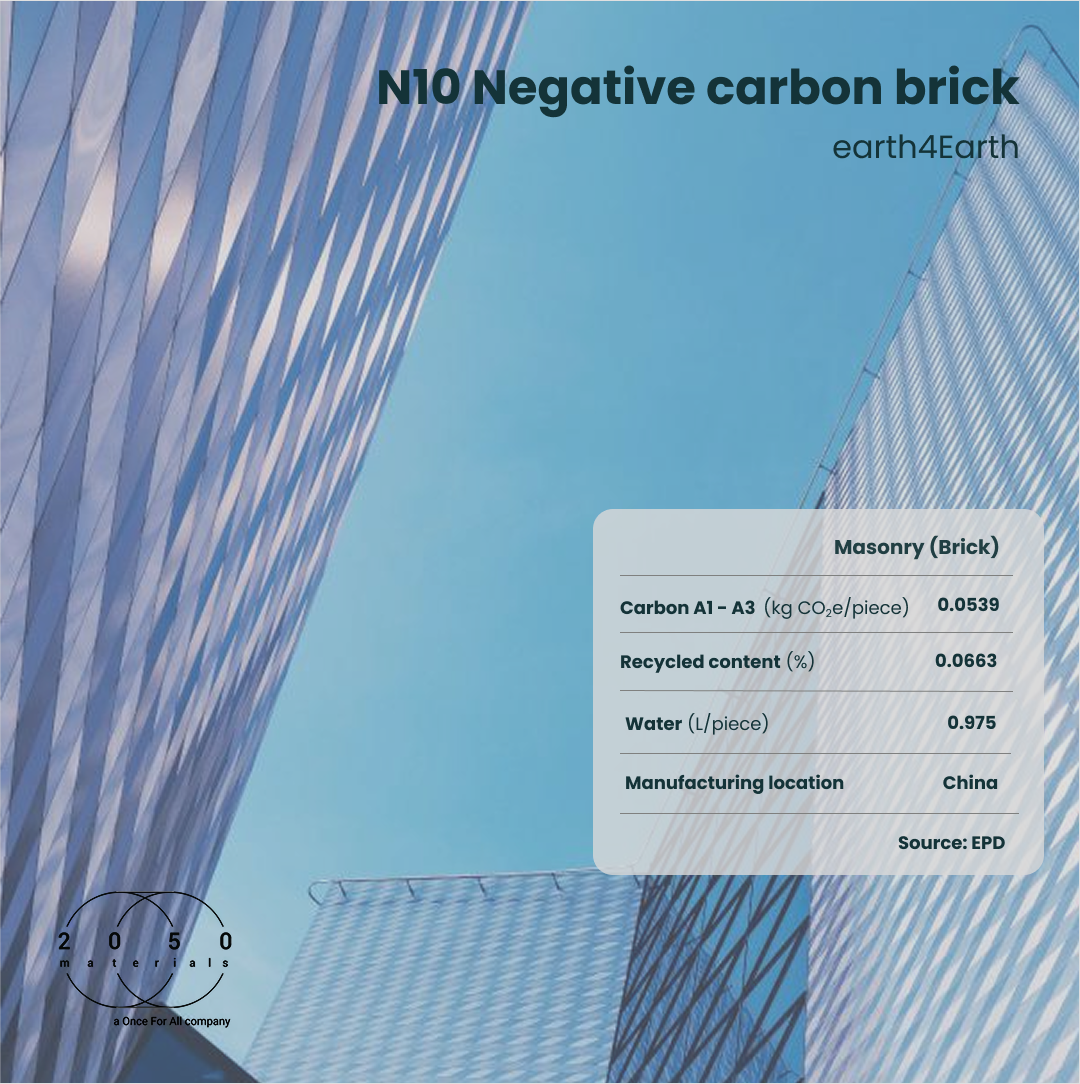
The Manchester project used N10 bricks, which contain 10% of the earth4Earth binder. These bricks have recently received a third-party verified Environmental Product Declaration (EPD), confirming their carbon negative performance.
A Climate Tech Hub Built with Low-Carbon Materials
The bricks were selected as part of a wider retrofit of Sustainable Ventures’ second-floor offices within the Sister Renold Building. The building forms part of the University of Manchester’s North Campus regeneration into Sister, an emerging innovation district.
Sustainable Ventures’ new offices are positioned as a major UK climate tech hub, with the potential to host over 100 businesses, offering workspace, funding, and business support to help climate tech start-ups scale. The hub is backed by both private and public sector investment, including funding from Barclays and the Greater Manchester Combined Authority.
Capturing Carbon Through Building Materials
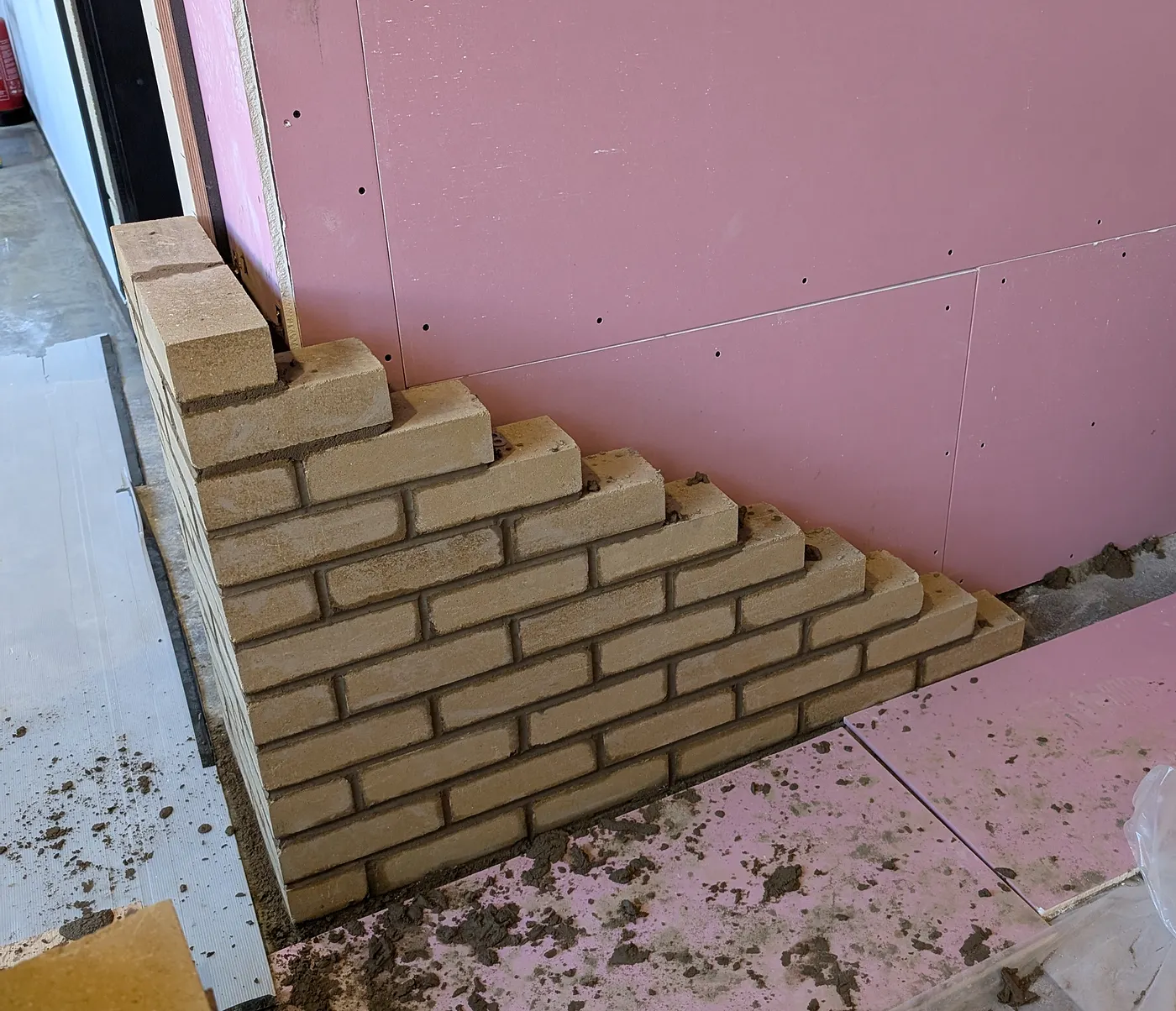
Reflecting on the project, Lei Zhang, Director and Co-founder of earth4Earth, highlighted the significance of seeing the bricks installed after two years of research and development, noting that the wall will now continuously capture and store CO₂ as part of the building fabric.
For Sustainable Ventures, the installation represents both a practical application of innovative materials and a visible statement of intent. As James Byrne, Partner at Sustainable Ventures, described it, the wall stands as a “Mancunian Wonderwall”, a tangible example of carbon capture embedded directly into the built environment.
Conclusion
As the construction industry continues to explore new ways to decarbonise, projects like this highlight the potential of material-level solutions to support climate goals turning everyday building elements into contributors to long-term carbon reduction.
By integrating CO₂ capturing bricks into a live project, earth4Earth and Sustainable Ventures show how building materials can play an active role in reducing carbon impact while meeting practical construction requirements.
Looking ahead, progression beyond demonstrator projects like this will depend on strategic alignment across commercial structure, clear branding and attribution, route to market, and long-term scale commitments, ensuring that earth4Earth’s technology, data, and carbon claims are appropriately recognised and protected.
Check their full range of products and their technical specification on the 2050 Materials platform.
Related articles
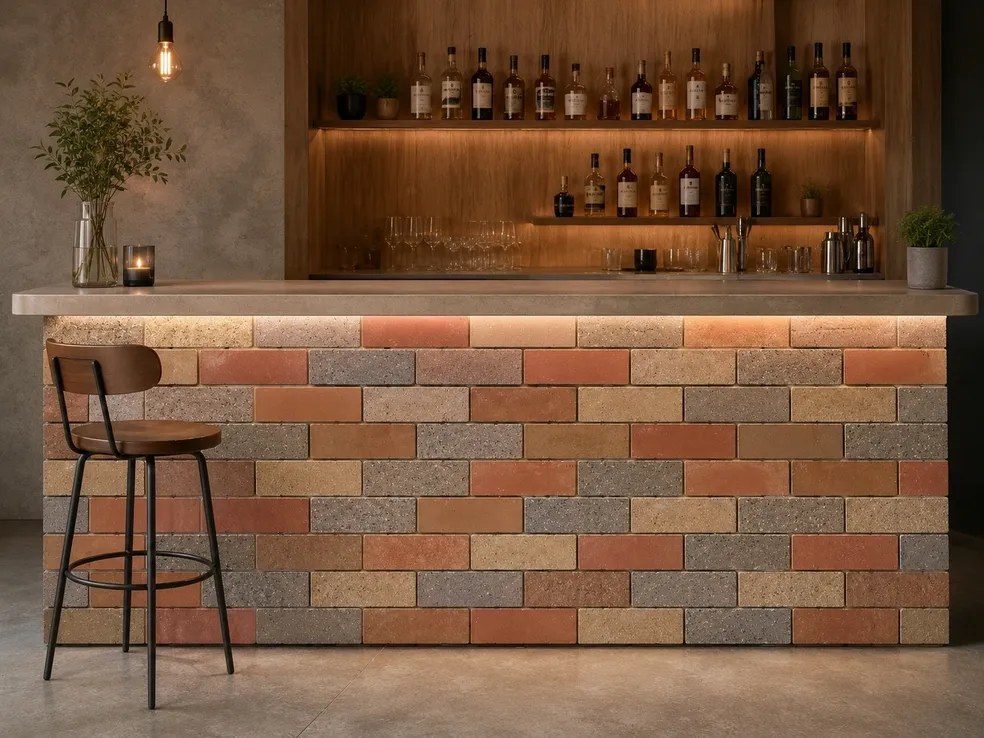
e4E Brick Slips: All the Brick, None of the Kiln
e4E makes brick slips from excavated soil, pressed rather than fired. See how they are made, the formats you can specify and the verified EPDs behind the range.
Read more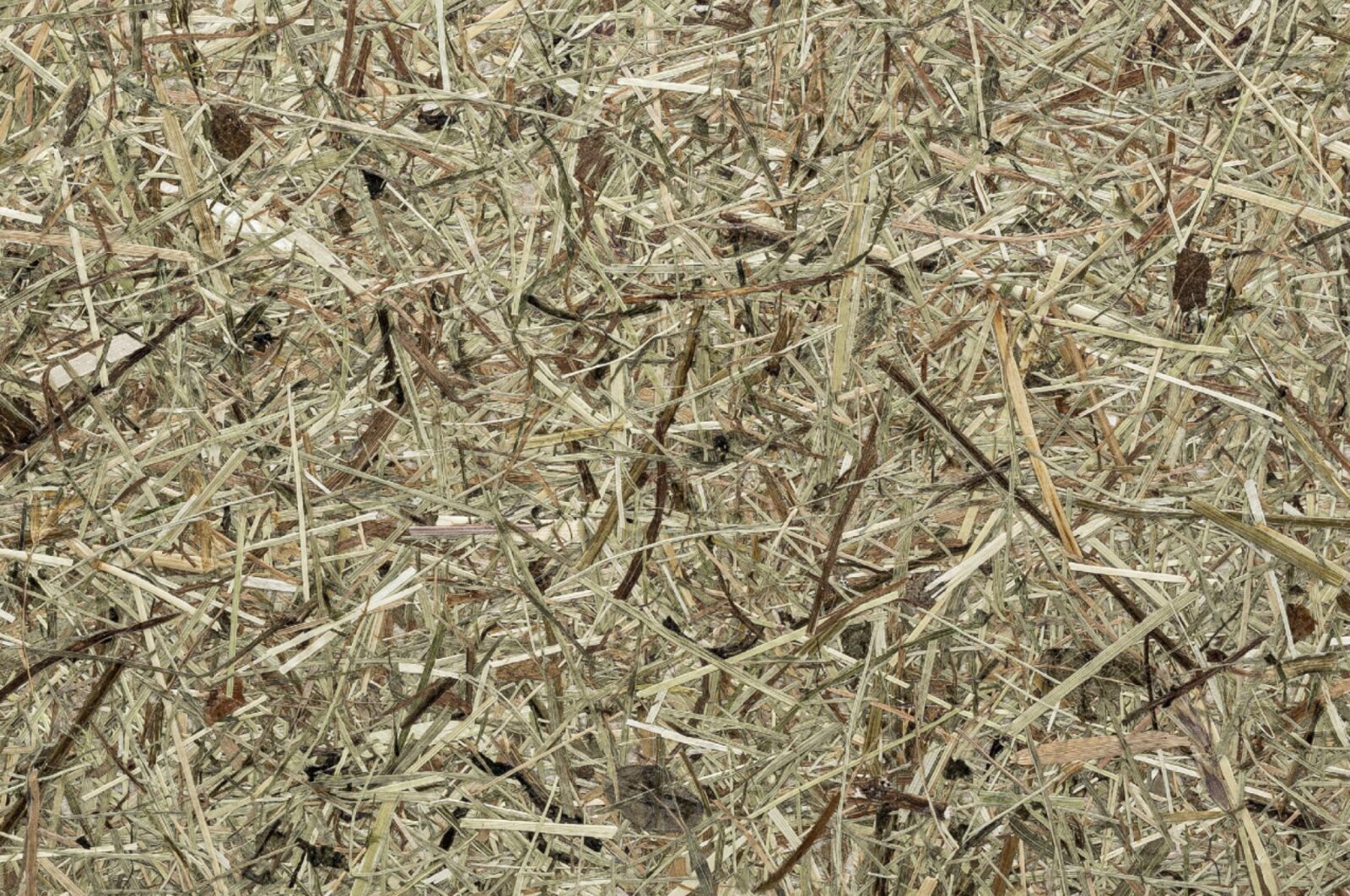
CaraGreen’s Organoid Wildspitze: A Wallcovering Grown, Not Manufactured
CaraGreen's Organoid Wildspitze is a wallcovering made from hand cut alpine hay, backed by a third party verified EPD showing 2.2 kg CO2e/m² GWP and stored biogenic carbon.
Read more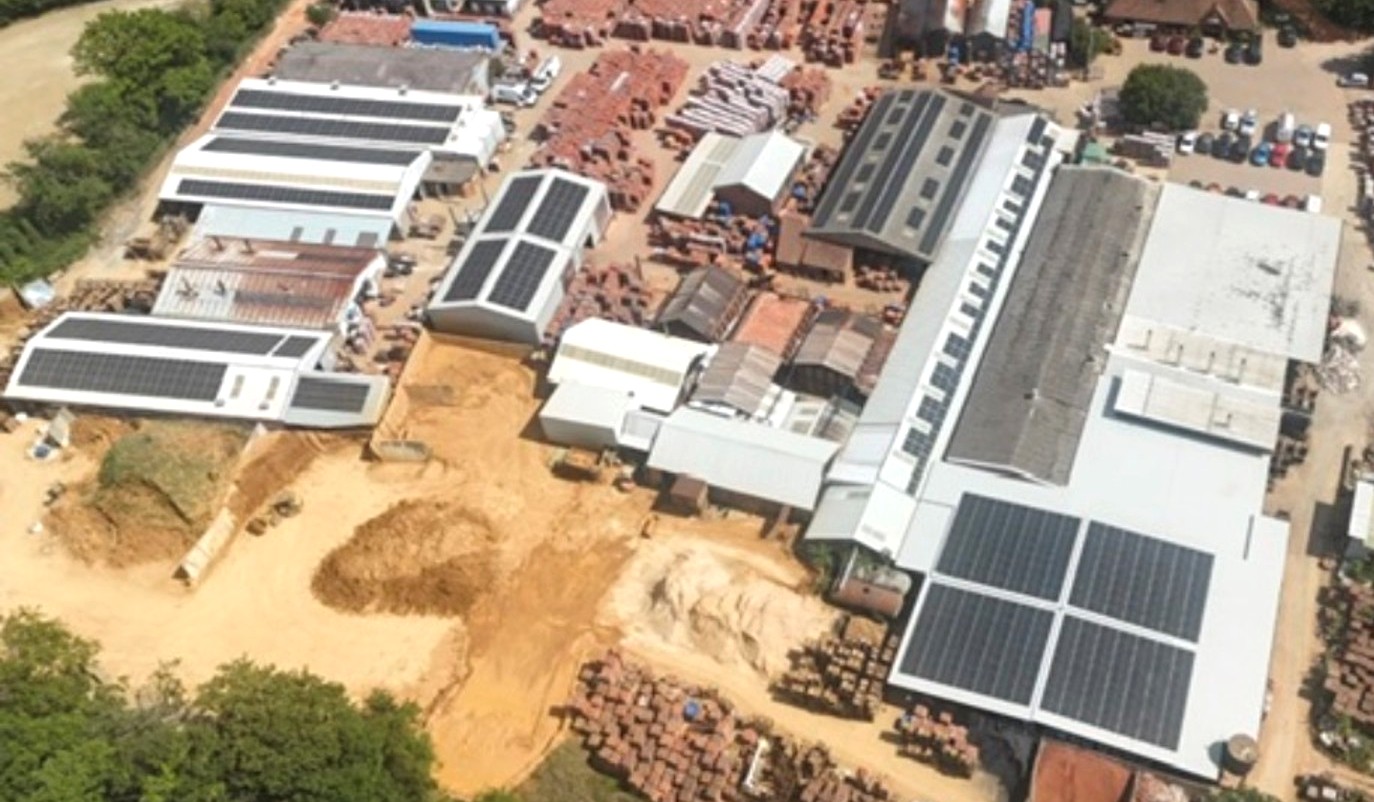
H.G. Matthews: Beyond the EPD
H.G. Matthews' new solar-biomass energy system at The Brickworks, Bellingdon is cutting diesel use and lowering embodied carbon, the latest step in a track record of measurable, verified environmental improvement backed by published EPDs.
Read more