What world is your building design creating?
It’s no secret that buildings can use massive amounts of resources during construction and maintenance. The industry is fact responsible for 39% of global emissions, and 33% of global waste.
However, not all buildings are made equal. Architects have a huge potential to reduce emissions and improve our health through their work.
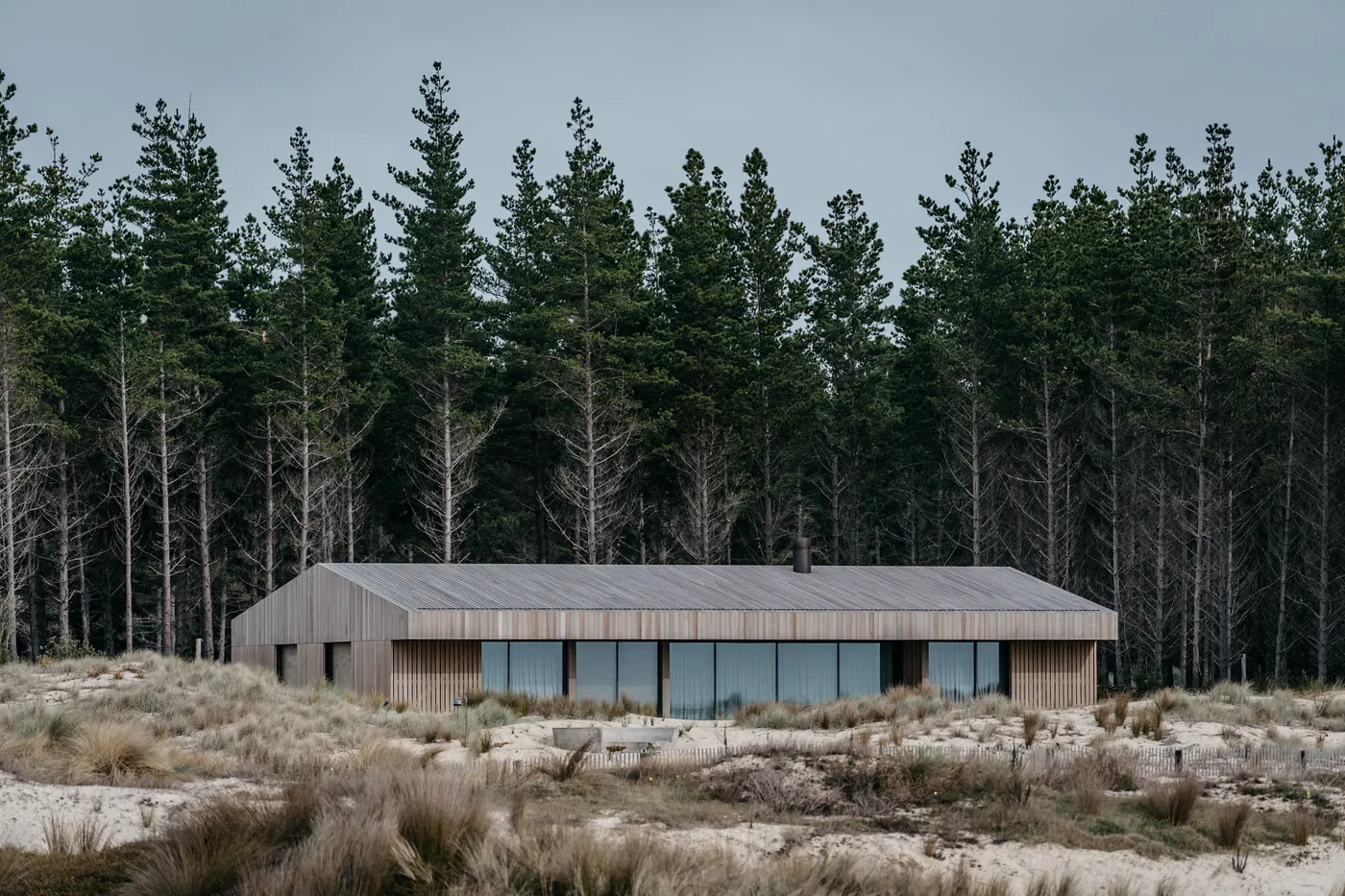
 At 2050 Materials, we’ve been thinking of ways to help architects understand and visualize how their designs affect the future world we will all live in. Follow us on LinkedIn to get updated with some interested insights soon…
Possible future climate scenarios
World leaders and corporations are pledging to to cut carbon dioxide emissions and end deforestation by 2030. But how exactly does that influence the climate?
A good resource to understand this is the Climate Interactive simulator, which shows the direct and interrelated effects of different actions on the temperature increase, greenhouse gas emissions, and energy mix. It even lets you create your own scenarios (you’ll see that getting below 1.5 degrees is quite tricky — even in theory!).
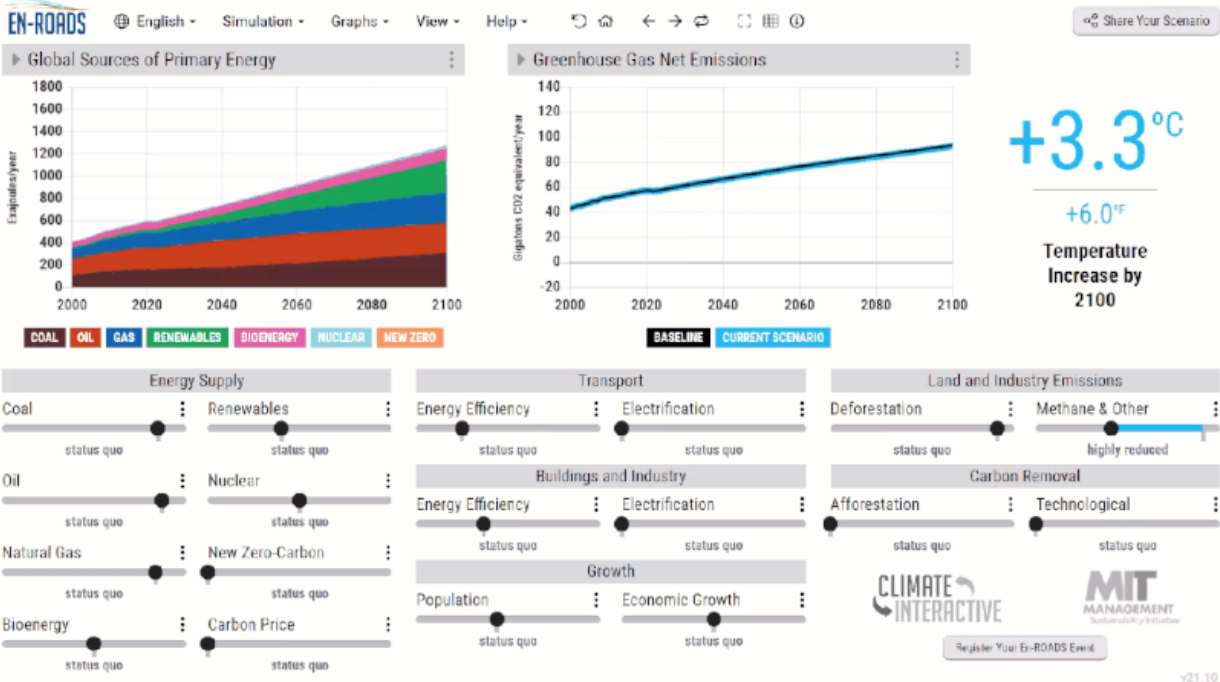
The climate Interactive — a simulator for the future of out planet.
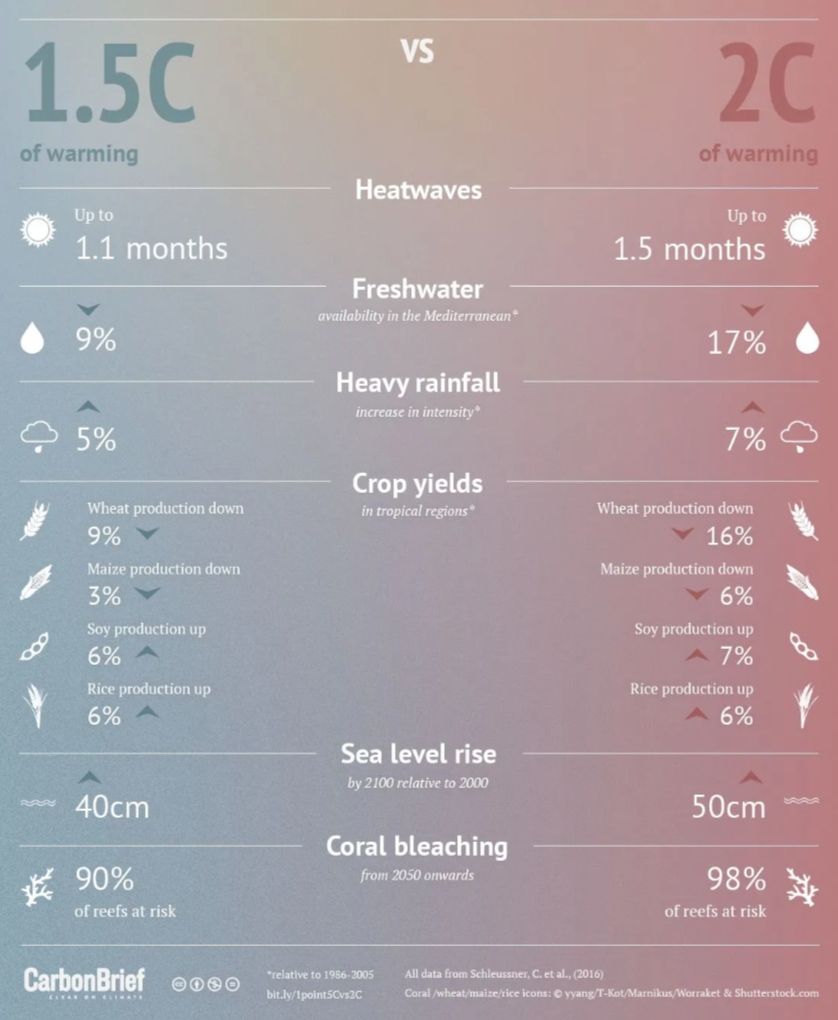
Getting the world to stay under 1.5°C of warming on average is essential to keep our world livable. Anything above 2°C degrees of warming starts to look very grim…
Take a look at the graphic below by Carbon Brief to see what we mean.
So, what does a 1.5°C building look like?
Unfortunately, there is no clear answer to this question yet.
When trying to reach this goal, 3 key principles are generally considered:
- Reduce operational energy needs and/or emissions
- Reduce the embodied carbon
- Design with circularity in mind
At 2050 Materials, we are developing a methodology to compare building products and benchmark them against specific targets. We aim to enable the tracking and comparison of buildings in the face of climate change.
If you are interested in such metrics, follow our LinkedIn page to stay updated with our launch.
Other useful resources to understand climate-aligned design
How can you design for a better future?
Sustainable buildings and built environments aim to reduce the use rates of non-renewable resources, minimize waste, and create a healthy and safe place for people.
Architects can design with sustainability in mind by reducing both embodied and operational carbon, working with contractors throughout the building life cycle to minimize waste, and selecting material with low embodied carbon. Read our guide for more detail on material selection.
Construction materials for a net-zero world, today
When we started working on building a digital library to enable architects to design the most sustainable buildings possible, we thought a lot about our name. Net-zero targets are set for the year 2050 which is 29 years from now…
2050 Materials is the platform for the construction materials of the future, available today. Our research and product data allows architects and contractors to design buildings as if we’re already living in the imaginary net-zero year of 2050.
Reach out to us to find out more about our launch, and how we can help you find, compare and specify truly sustainable products today.
– Phanos Hadjikyriakou, Co-founder
Related articles
Built to Beat the Heat
This summer's drought wasn't a fluke, it was a preview. Here's the material data that actually decides whether a building shrugs off a heatwave or quietly cooks behind a great winter U value: decrement delay, solar reflectance, SHGC, and the real products behind each one.
Read more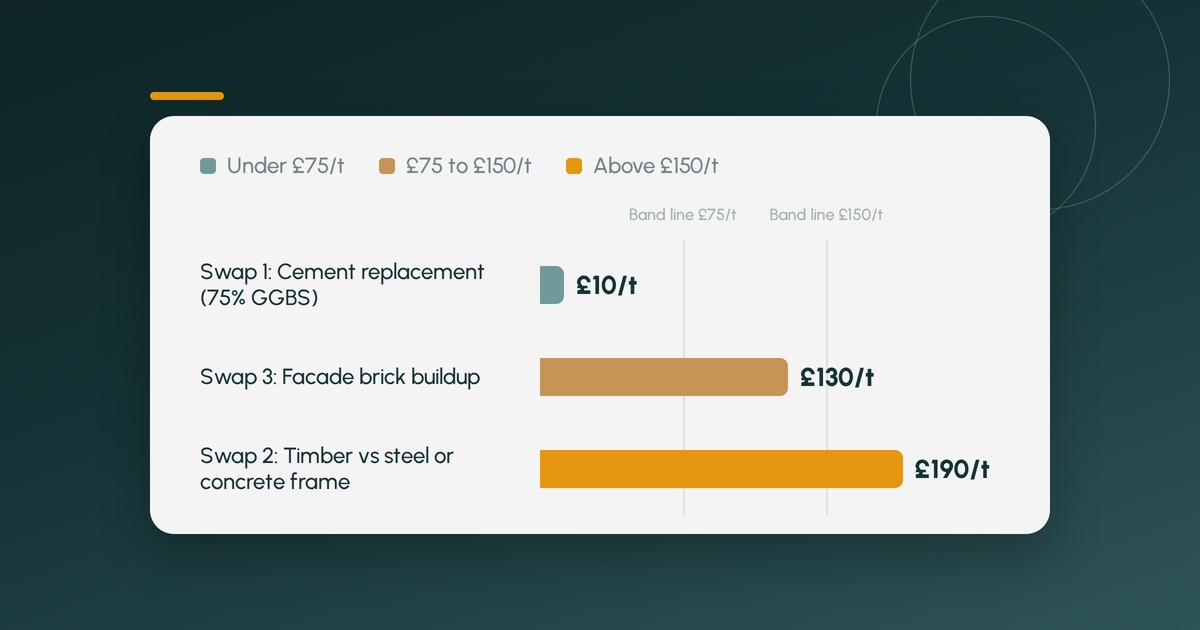
The Cost per Tonne Test for Embodied Carbon Swaps
Not every embodied carbon cut is worth paying for. Test any swap on cost per tonne of CO2e, see which band it falls in, and try the free calculator.
Read more
PFAS Compliance Meets Countdown
Sealants, membranes and insulation are next in line for PFAS restrictions. The window to get ahead of it, rather than scramble to catch up, is closing.
Read more