Transparency as a way for manufacturers to survive
The market is changing, and specifiers are demanding more during product research. If you try to hide it, or make it hard for them to get the information they need, you’ll soon be in trouble.
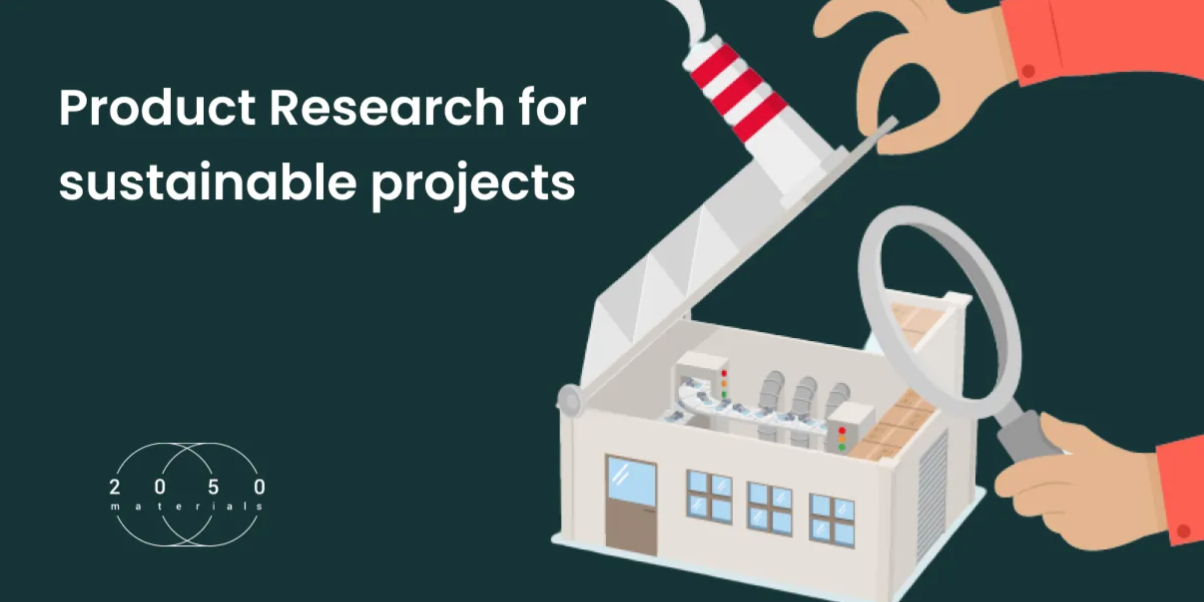
Research vs Specification
What’s the difference between a specifier researching products for specification and actually specifying (ie. writing a spec)?
The two processes are clearly interlinked, but the first part can be a show-stopper for the specification.
That’s because building product research (much like all the high-value products we buy as consumers) happens before the act of writing a specification.
Product Research is changing
In an environment where specifiers are now asked to provide data and information on the sustainability of their specifications and designs (ie. needing carbon, circularity and other data), product research is more important than ever.
What does this mean for manufacturers?
For building product manufacturers, this means 3 things:
- If you don’t get in front of specifiers during their research phase, you will not get specified.
- If you lack the climate/sustainability data specifiers need in new projects, you aren’t considered.
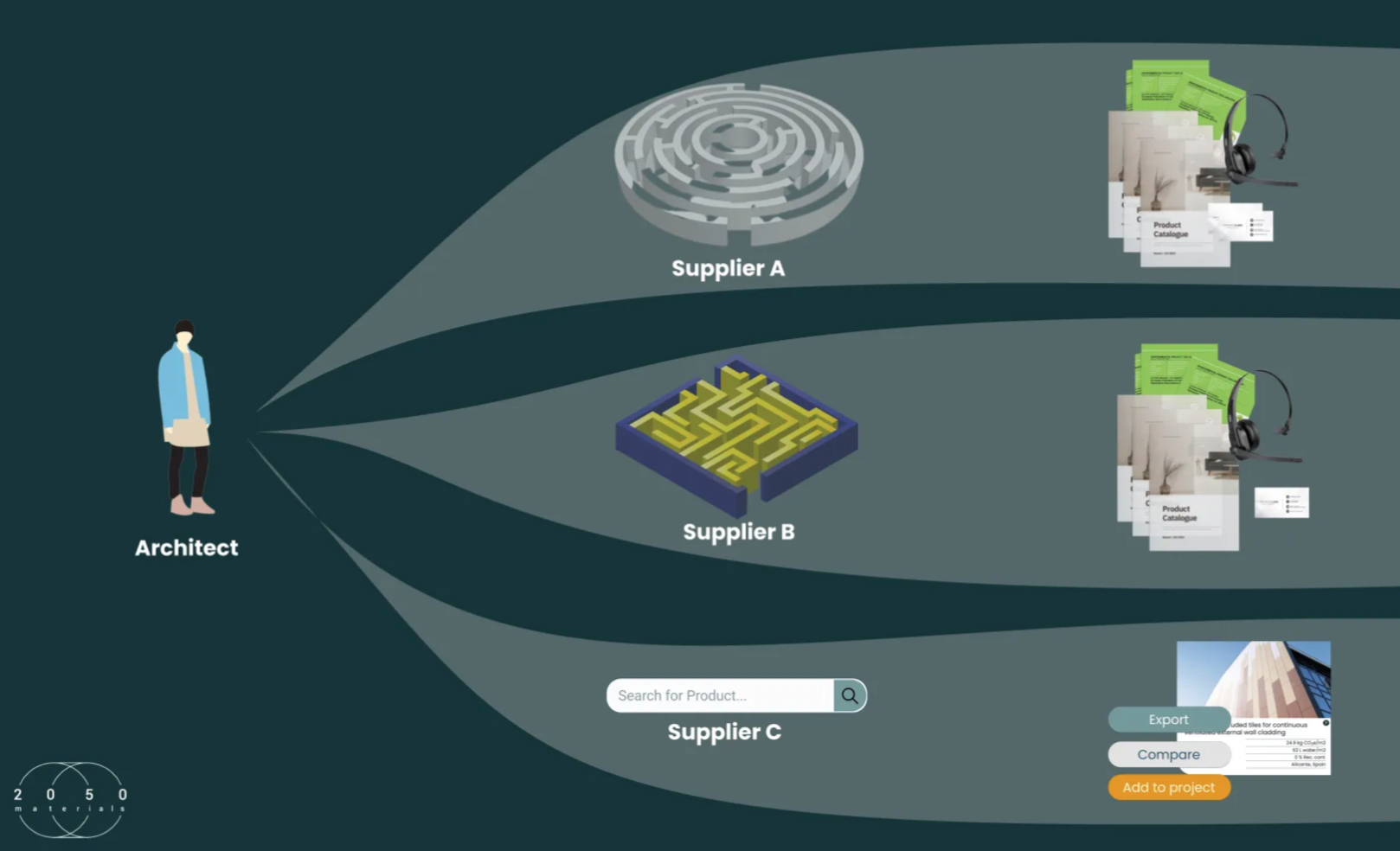
- If the specifier needs to work extra hard to extract and understand your product information, they will jump to a manufacturer that has made it easier for them.
Transparency as a competitive advantage
In today’s market, selling high-carbon product with honest material breakdowns and environmental assessments is much better than having a better product but not sharing any information.
The reason is simple: Trust
Specifiers (like everyone else) are bombarded with marketing information and big claims about product performance and product sustainability. The effect of that (sorry, marketers) is that they stop trusting manufacturer’s claims that aren’t backed by data or certifications.
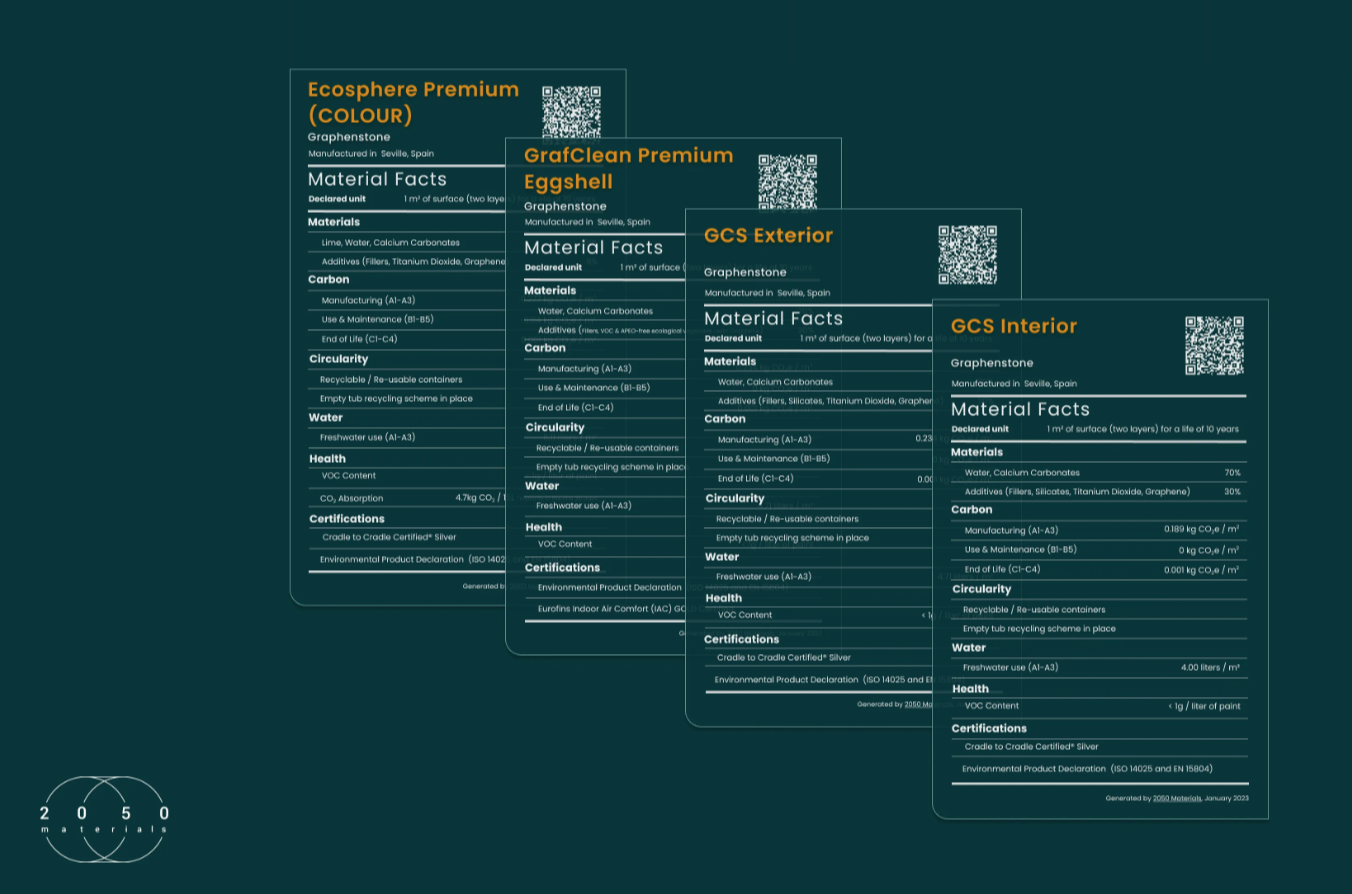
In fact, a strategy of transparency will
- Help you build trust with specifiers
- Create a direct feedback loop on how/where you should improve
- Contribute to fighting climate change
A 5-step process to becoming a transparent manufacturer
- Get your products assessed and certified
(Get our take on the most impactful certifications) - Train your sales reps to understand the data
- Make the documents publicly accessible
- Harmonise the information & data to make it consumable by specifiers
(e.g. through a product-passport or a product page) - Get on the right product libraries.
Tomorrow is too late
Climate change is a real threat to humanity, but also to your brand. The status-quo will not work anymore; being transparent is being cool.
2050 Materials is a library empowering manufacturers to transition to a digital, transparent and more sustainable future. With market insights, suggestions and dynamic tools, 2050 helps brands deliver the right information to their future clients.
Book a 20 minute call to see if 2050 Materials is the transparency platform for you.
More on the same topic in this quick read.
Related articles
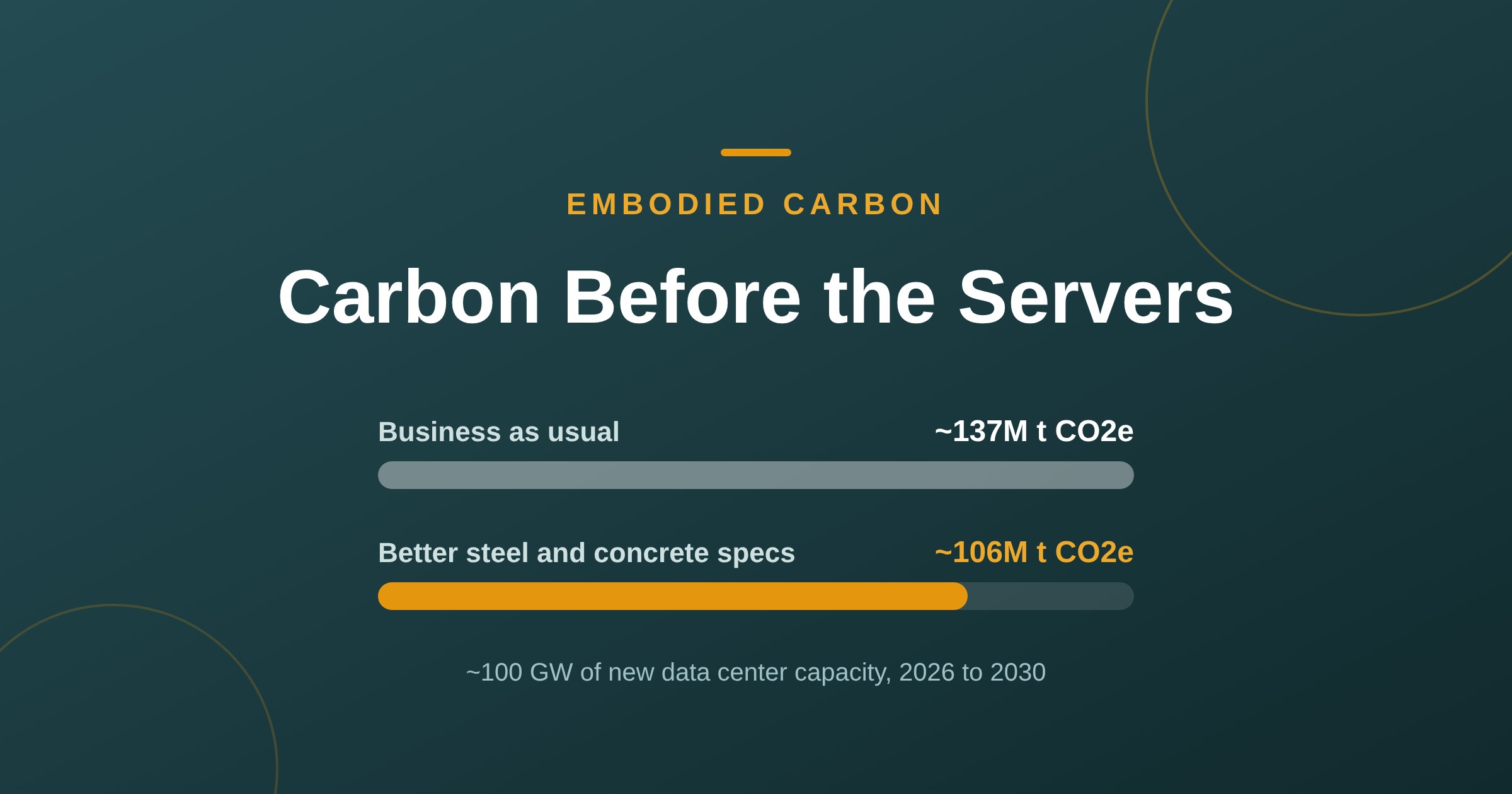
Data Centers’ Hidden 137M-Tonne Carbon Bill
New data centers could lock in ~137M tonnes of CO2e before a single server switches on. GGBS concrete and recycled steel could cut about 31M of it.
Read more
Built to Beat the Heat
This summer's drought wasn't a fluke, it was a preview. Here's the material data that actually decides whether a building shrugs off a heatwave or quietly cooks behind a great winter U value: decrement delay, solar reflectance, SHGC, and the real products behind each one.
Read more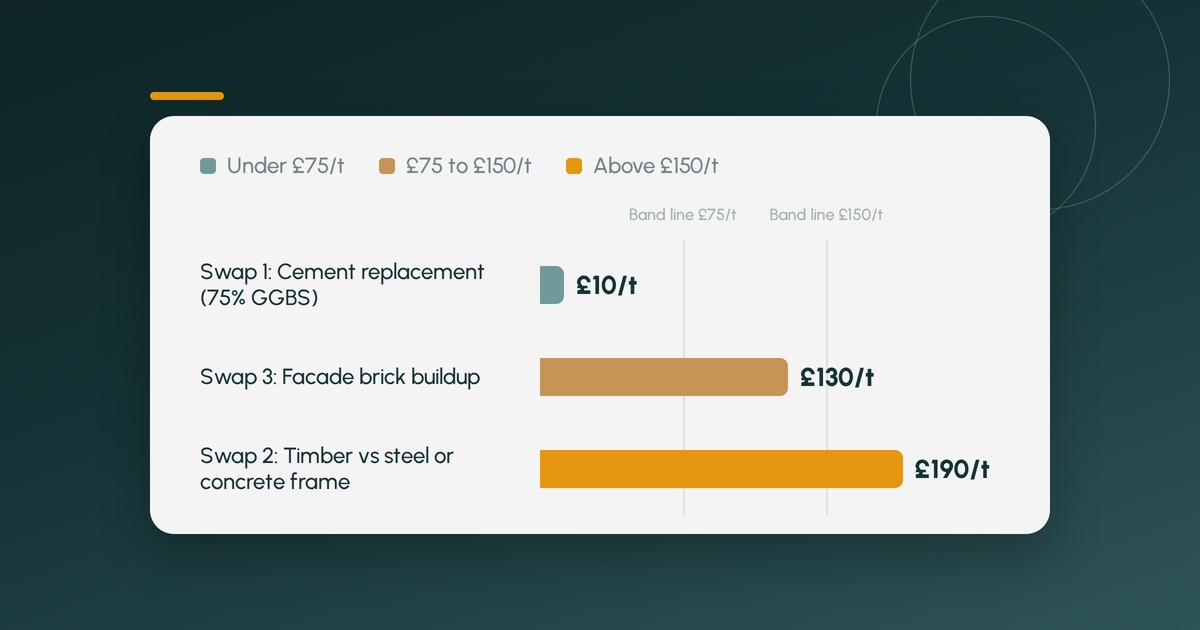
The Cost per Tonne Test for Embodied Carbon Swaps
Not every embodied carbon cut is worth paying for. Test any swap on cost per tonne of CO2e, see which band it falls in, and try the free calculator.
Read more